
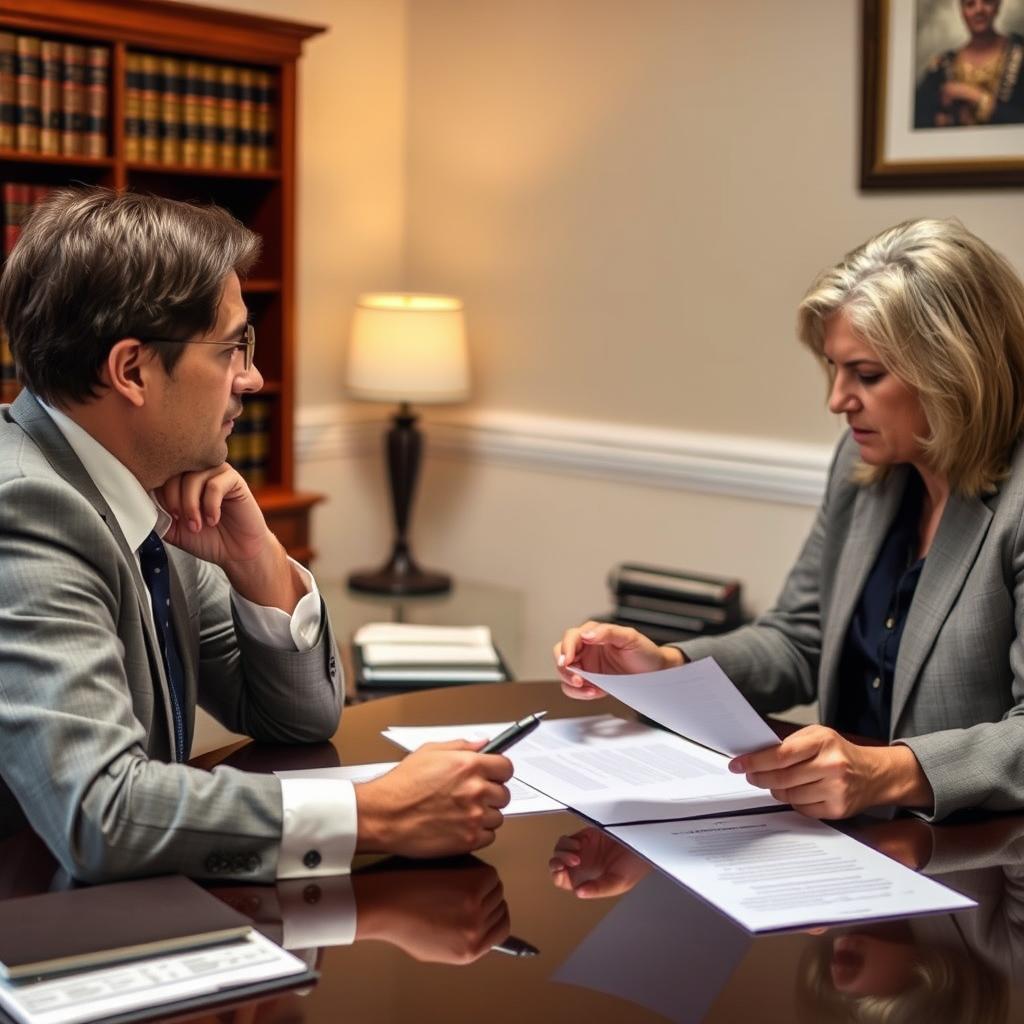
Fault Based Divorce Lawyer Prince George County
A fault based divorce lawyer Prince George County proves marital misconduct to end a marriage. Law Offices Of SRIS, P.C. —Advocacy Without Borders. Grounds include adultery, cruelty, desertion, or felony conviction. You must provide clear evidence to the Prince George County Circuit Court. Fault can impact spousal support and property division. SRIS, P.C. has handled numerous fault divorce cases in this county. (Confirmed by SRIS, P.C.)
Statutory Definition of Fault Divorce in Virginia
Virginia Code § 20-91(A) defines fault grounds for divorce as a Class 1 misdemeanor equivalent with significant financial and custodial consequences. The statute lists specific acts that constitute fault. These acts break the marital bond. Proving fault requires meeting a legal standard of evidence. A fault based divorce lawyer Prince George County uses this statute. The law requires clear and convincing evidence of misconduct. This is a higher standard than a simple disagreement.
Fault divorces are governed by Title 20 of the Virginia Code. The petitioner must prove one of the statutory grounds. These grounds are specific and narrow. Adultery is a common fault ground. Cruelty causing reasonable apprehension of bodily harm is another. Willful desertion or abandonment for one year is a ground. A felony conviction with imprisonment is also a fault ground. Each ground has specific legal elements. A lawyer must prove each element.
The classification as a Class 1 misdemeanor equivalent refers to the seriousness. It does not mean criminal charges are filed. The “maximum penalty” is the dissolution of marriage. Fault can affect other court orders. The judge considers fault in final rulings. This includes spousal support awards. It also includes the division of marital property. Child custody may be influenced by fault evidence. The court’s goal is a fair resolution based on facts.
What are the fault grounds for divorce in Virginia?
Virginia law recognizes five specific fault grounds for divorce. Adultery is sexual intercourse outside the marriage. Cruelty includes physical violence or reasonable fear of harm. Willful desertion is abandonment for one year or more. A felony conviction with a prison sentence of over one year is a ground. The fifth ground is confinement for insanity with specific conditions. Each ground requires specific proof. A fault based divorce lawyer Prince George County gathers this evidence.
How does fault impact spousal support in Prince George County?
Fault is a primary factor in spousal support decisions under Virginia Code § 20-107.1. The court must consider the marital misconduct of either party. Proven fault can bar a supporting spouse from receiving alimony. It can also reduce the amount or duration of support. For the dependent spouse, fault may limit their award. Prince George County judges examine the nature and timing of the misconduct. Economic need remains a key factor.
What is the difference between a divorce from bed and board and a divorce a vinculo matrimonii?
A divorce from bed and board is a legal separation, not a full dissolution. A divorce a vinculo matrimonii is an absolute divorce that ends the marriage. Fault grounds can be used for both types in Virginia. The absolute divorce is the final step. It allows both parties to remarry. Property division and support orders are finalized with an absolute divorce. A fault based divorce lawyer Prince George County files for the correct type.
The Insider Procedural Edge in Prince George County Circuit Court
The Prince George County Circuit Court is located at 6601 Courts Drive, Prince George, VA 23875. All fault divorce cases are filed here. The court handles family law matters on specific docket days. Filing fees are set by Virginia statute and local court rules. Procedural specifics for Prince George County are reviewed during a Consultation by appointment at our Prince George County Location. The timeline from filing to final hearing varies. It depends on case complexity and court scheduling.
You must file a Complaint for Divorce stating the fault ground. The complaint must be served on the other spouse. They have 21 days to file an Answer. Discovery procedures are used to gather evidence. This includes interrogatories and depositions. The court may schedule temporary hearings for support. A final evidentiary hearing is required for a fault divorce. The judge hears testimony and reviews documents. A final decree of divorce is issued after the hearing.
The local procedural fact is that this court expects precise pleadings. Judges here require strict adherence to evidence rules. Filing fees must be paid at the clerk’s Location. The current fee schedule should be verified with the clerk. Electronic filing may be available. The court’s staff can provide basic forms. They cannot give legal advice. Having a lawyer familiar with this court is critical. SRIS, P.C. knows the local rules and judges.
What is the typical timeline for a fault divorce in Prince George County?
A contested fault divorce can take nine months to over a year. The timeline starts with filing the complaint. The discovery period for gathering evidence can last several months. Court hearing dates depend on docket availability. Uncontested fault divorces may proceed faster if the respondent agrees. The mandatory separation period does not apply to fault divorces. The final decree date depends on the judge’s schedule.
What are the court costs and filing fees for a divorce here?
Filing fees in Prince George County Circuit Court are approximately $100 to $200. This covers the initial complaint filing. Additional fees apply for serving the spouse. There are fees for motions and final hearing certificates. Court reporter costs may apply for hearings. The total cost varies with case complexity. Fee waivers are available for qualified individuals. Consult the clerk’s Location for the exact current fee amounts.
Penalties, Outcomes, and Defense Strategies
The most common penalty in a fault divorce is the financial and custodial impact ordered by the court. The table below outlines potential outcomes.
| Offense / Issue | Potential Penalty / Outcome | Notes |
|---|---|---|
| Adultery | Bar to spousal support; impact on property division | Must be proven by clear evidence. |
| Cruelty | Favorable custody ruling; possible protective order | Requires proof of bodily harm or fear. |
| Desertion | Forfeiture of rights to marital home; support obligations continue | Must be willful and for statutory period. |
| Felony Conviction | Limited access to children; negative property division | Requires certified conviction record. |
| Fault Finding Generally | Attorney’s fees awarded to prevailing party | Court discretion based on conduct. |
[Insider Insight] Prince George County prosecutors in juvenile and domestic relations matters, and judges in circuit court, scrutinize fault allegations closely. They expect documented evidence, not just accusations. Hearsay is typically dismissed. Local trends show a preference for resolving fault claims through detailed settlement conferences before trial. This saves court time and reduces conflict.
Defense strategies against a fault allegation require a direct rebuttal. For adultery, challenge the evidence of sexual intercourse. Prove the acts did not occur. Show the evidence is fabricated. For cruelty, demonstrate the acts were not severe. Prove they did not cause reasonable fear. Show the allegations are exaggerated. For desertion, prove the leaving was justified. Show consent or constructive desertion by the other party. For a felony, attack the relevance to the marriage.
A strong defense often involves filing a cross-complaint. This alleges fault against the accusing spouse. It can create a standoff that leads to settlement. Another strategy is to prove condonation. This means the accusing spouse forgave the misconduct. Condonation is a complete bar to a fault divorce. Recrimination is proving both spouses are at fault. This can lead the court to deny the fault divorce. It may convert the case to a no-fault basis.
Can fault affect who gets the house or retirement accounts?
Yes, fault can directly influence equitable distribution under Virginia Code § 20-107.3. The court considers the marital misconduct of each party. This misconduct must be a contributing factor to the marriage’s dissolution. A judge may award a larger share of marital property to the innocent spouse. This includes the marital home and retirement accounts. The impact is not automatic. It depends on the evidence presented.
What happens if I am accused of fault but it is not true?
You must immediately contest the false allegation in your Answer. Your fault based divorce lawyer Prince George County will demand strict proof. The accusing spouse bears the burden of proof. Failure to meet this burden results in the allegation being dismissed. You may have grounds for a defamation claim in rare cases. The court can order the accusing party to pay your attorney’s fees for defending a baseless claim.
Why Hire SRIS, P.C. for Your Fault Divorce Case
Attorney Bryan Block leads our family law team with extensive Virginia trial experience. His background provides a strategic advantage in contested fault cases. SRIS, P.C. has achieved numerous favorable outcomes in Prince George County Circuit Court. Our firm understands the local judicial temperament. We prepare every case as if it is going to trial. This preparation forces stronger settlement offers from the other side.
Bryan Block
Virginia Family Law Attorney
Lead Counsel for Prince George County fault divorce cases.
Directs case strategy and evidence development for fault grounds.
Our approach is based on evidence, not emotion. We investigate the alleged fault immediately. We gather documents, communications, and witness statements. We work with private investigators when necessary. We prepare demonstrative evidence for court. We know how to present complex marital facts to a judge. We also protect clients from false accusations. We attack weak fault claims aggressively. This protects your financial and parental rights.
The firm differentiator is our “Advocacy Without Borders” approach. We commit resources without geographic limitation within our service area. We have a dedicated team for document review and discovery. We use technology for efficient case management. We provide direct access to your attorney. You will not be handed off to a paralegal for major decisions. We explain the legal process in clear terms. We set realistic expectations from the first meeting.
Localized Fault Divorce FAQs for Prince George County
How long do you have to be separated for a fault divorce in Virginia?
No separation period is required for a fault-based divorce in Virginia. You can file immediately upon discovering the fault grounds, such as adultery or cruelty. The case proceeds based on proving the misconduct, not a separation timeline.
Can you get a fault divorce if you live in Prince George County but were married elsewhere?
Yes, if you or your spouse have been a bona fide resident of Virginia for at least six months before filing. The Prince George County Circuit Court has jurisdiction over residents of the county, regardless of where the marriage occurred.
What evidence is needed to prove adultery in court?
Evidence can include photographs, text messages, emails, hotel receipts, witness testimony, or private investigator reports. Circumstantial evidence is often used. The standard is clear and convincing evidence of sexual intercourse.
Does a fault divorce cost more than a no-fault divorce?
Typically, yes. Fault divorces involve more discovery, more court hearings, and often require experienced witnesses. This increases attorney hours and litigation costs compared to an uncontested no-fault divorce.
Can fault affect child custody in Virginia?
Yes, but only if the fault directly impacts the parent’s ability to care for the child. For example, cruelty involving domestic violence or adultery that disrupts the child’s home environment can influence the custody and visitation order.
Proximity, Contact, and Final Disclaimer
Our Prince George County Location serves clients throughout the county and surrounding areas. We are accessible from major landmarks and communities. Consultation by appointment. Call 888-437-7747. 24/7.
SRIS, P.C.
Virginia Family Law Practice
Phone: 888-437-7747
For related legal support, consider our Virginia family law attorneys for statewide matters. If your case involves overlapping issues, our criminal defense representation team can consult. Learn more about our experienced legal team and their backgrounds. We also provide DUI defense in Virginia for related charges.
Past results do not predict future outcomes.