
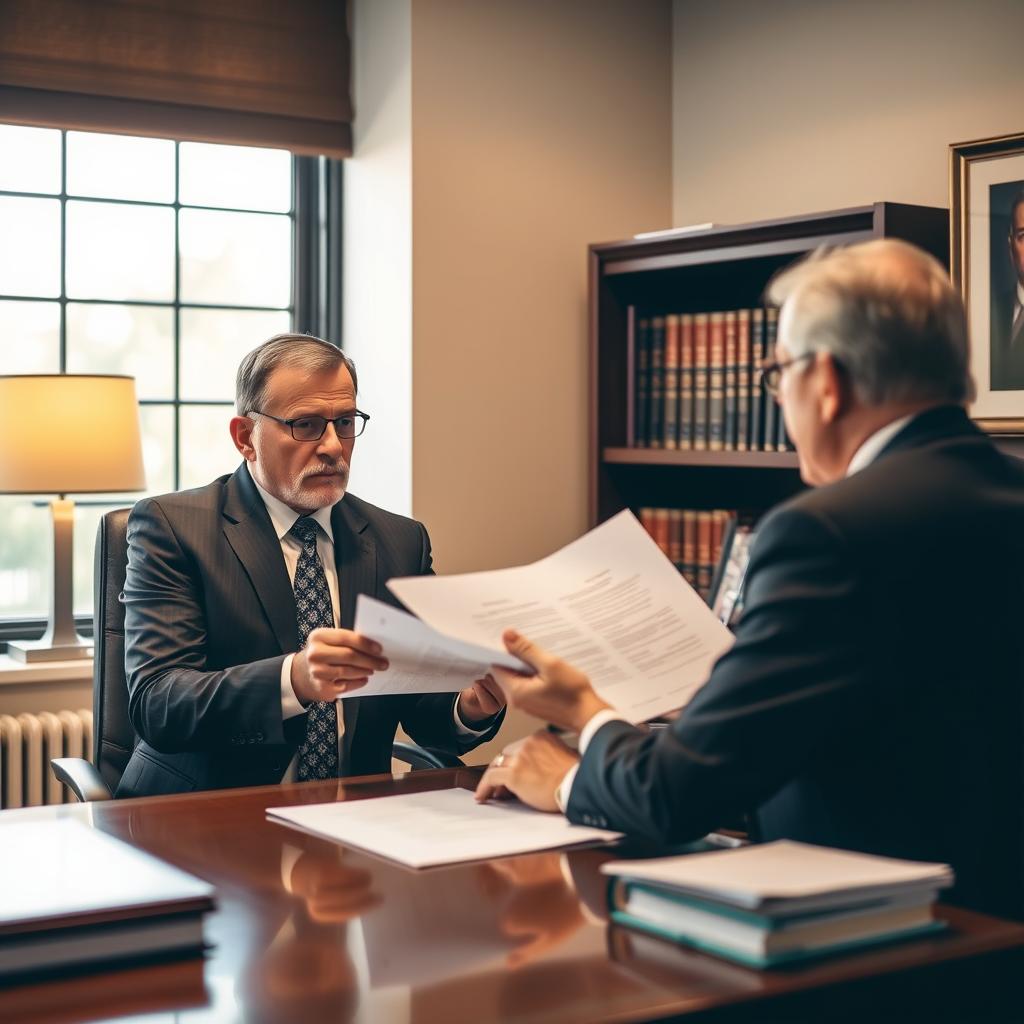
Trial Separation Lawyer Fluvanna County, VA
You and your spouse are considering a trial separation. You’re not sure whether divorce is inevitable, but you know you need space to evaluate the relationship and make decisions about your family’s future. In Fluvanna County, Virginia, a separation carries significant legal consequences—even when no divorce has been filed. How property is used, where children live, and who pays which bills can all influence what happens later in court. Without a clear separation agreement, you risk giving up leverage you may not even know you have. Mr. Sris and his Of Counsel team at Law Offices Of SRIS, P.C. help clients in Fluvanna County navigate the separation process and protect their rights before any final decisions are made. Call (888) 437-7747 to schedule a consultation. Law Offices Of SRIS, P.C. — Advocacy Without Borders.
Strategy Options for Trial Separation in Fluvanna County
Virginia does not have a “legal separation” status that transforms a marriage into a court‑recognized separate arrangement. Instead, spouses who live apart are simply separated, and that separation can serve as the basis for a later divorce. The key strategic question is whether to formalize the separation with a written property settlement agreement (often called a separation agreement).
Working with an experienced lawyer gives you the chance to draft an agreement that addresses division of assets and debts, spousal support, and child custody and visitation. The agreement can specify who stays in the family home, how expenses are handled, and what happens if one spouse changes jobs. A well‑drafted separation agreement can later become the foundation for an uncontested divorce—eliminating the need for a trial and years of litigation. The alternative is to separate informally and hope that no disputes arise, but that approach leaves critical issues unresolved and often leads to far more expensive litigation down the road. Mr. Sris, a former prosecutor who has practiced family law since 1997, advises clients on which path best protects their interests under Virginia equitable distribution law (Va. Code § 20‑107.3).
What to Expect During the Separation Process
When you engage Law Offices Of SRIS, P.C., the process begins with a thorough consultation. You’ll discuss your immediate living situation, your financial picture, and your goals for custody and support. Your lawyer will help you identify potential points of conflict—like dividing retirement accounts or valuing a business—so that they can be resolved in the agreement rather than first surfacing in a courtroom.
If you and your spouse can reach agreement, the document is signed and notarized, and both parties then live under its terms while the separation period runs. Virginia requires a one‑year separation for a no‑fault divorce, or six months if you have a signed separation agreement and no minor children (Va. Code § 20‑91(9)(a), (9)(b)). When a dispute arises—for example, over custody or support—the Fluvanna County Juvenile and Domestic Relations District Court hears those matters until the divorce is filed, at which point the Fluvanna County Circuit Court takes over equitable distribution and the divorce itself. Our team handles both courts, working to keep the focus on resolution rather than escalation.
Potential Consequences of an Improperly Handled Separation
A separation that isn’t properly documented can have serious financial and legal fallout. If you and your spouse continue to commingle funds, incur joint debt, or make verbal promises about support, those actions can be cited against you later. A court deciding equitable distribution will examine the entire period of the marriage, including the separation, and may consider how each spouse conducted their affairs. Without a written agreement, you leave a judge with broad discretion—and no guarantee that what you assumed was fair will survive a contested hearing.
Similarly, child custody arrangements made informally during a separation are not legally binding. If a parent moves and takes the child without a court order or written agreement, the other parent may be forced into expensive emergency custody proceedings. Mr. Sris and his Of Counsel bring over 120 years of combined legal experience to help clients avoid these pitfalls. Results may vary.
About Mr. Sris and His Of Counsel Team
Mr. Sris is the Owner and Founder of Law Offices Of SRIS, P.C. Admitted in Virginia, Maryland, the District of Columbia, New Jersey, and New York, he has built a multi‑state family law practice since 1997. Before founding the firm, Mr. Sris served as a prosecutor, experience that sharpened his courtroom skills and professional approach to every case. In 2019, he testified before the Virginia House Courts of Justice Committee in support of HB 635 (chief patron Del. David Bulova)—legislation that revised aspects of Virginia’s equitable distribution law. His Of Counsel team includes attorneys with backgrounds as a former Virginia State Trooper, former Maryland Assistant State’s Attorney, and others who bring decades of litigation and negotiation experience to every family law matter. The firm has documented over 4,739 case results across all practice areas. Results may vary.
Frequently Asked Questions About Trial Separation
What exactly is a trial separation in Virginia?
A trial separation is a period where spouses live apart to evaluate whether to divorce, and Virginia law does not create a separate “legal separation” status. Instead, the separation functions as a factual condition that, if you later divorce, helps you meet the statutory separation period. Many couples use the separation to negotiate and sign a written property settlement agreement, which resolves issues such as asset division, support, and custody. That agreement can then serve as the basis for an uncontested divorce and dramatically simplifies the court process.
How long must I be separated before filing for divorce in Fluvanna County?
For a no‑fault divorce in Virginia, you must be separated for one year, or for six months if you have a signed separation agreement and no minor children. (Va. Code § 20‑91(9)). If you pursue a fault‑based ground—such as adultery—no separation period applies. The actual timeline from filing to a final decree depends on the complexity of your property and custody issues and on the Fluvanna County Circuit Court’s calendar.
Do I need a lawyer to enter into a separation with my spouse?
You are not legally required to hire a lawyer to separate, but representation helps you understand your rights and avoid costly mistakes. A lawyer can draft an agreement that accurately addresses Virginia equitable distribution rules, spousal support factors, and the child‑custody best‑interest standard. Many people later regret signing an agreement they did not fully understand; having counsel review it before you sign can prevent disputes that would otherwise take years to resolve.
Can a separation agreement be changed after we both sign it?
Generally, a separation agreement can be modified by the mutual consent of both parties in writing. However, once a divorce is granted and the agreement is incorporated into the final decree, certain provisions—especially those dividing property—become final and may not be modified, except in very limited circumstances such as fraud or mutual mistake. Child‑custody and support provisions always remain subject to modification based on a change in circumstances.
What if my spouse won’t agree to a separation agreement?
If your spouse refuses to sign a separation agreement, you can still separate and later file for a contested divorce. In that situation, the court will decide all unresolved issues—property division, support, and custody—after a trial. Mr. Sris and his Of Counsel have extensive experience handling contested family law matters in Fluvanna County courts, including the Juvenile and Domestic Relations District Court and the Circuit Court.
Is a separation agreement the same as a divorce decree?
No; a separation agreement is a private contract, while a divorce decree is a court order that dissolves the marriage and may incorporate the agreement. Until the court enters the decree, you remain legally married, and neither spouse can remarry. The agreement can, however, govern all rights and obligations during the separation and can be submitted to the court as a basis for an uncontested divorce, greatly speeding up the process.
Speak With a Trial Separation Lawyer in Fluvanna County
If you and your spouse are considering a separation, having an experienced lawyer on your side helps you make informed decisions from the outset. Reach our Shenandoah location at (888) 437-7747 to schedule a consultation. By appointment only.
Law Offices Of SRIS, P.C.
505 N Main St, Suite 103
Woodstock, VA 22664
(888) 437-7747
For a full statutory breakdown of Virginia separation and divorce laws, see our detailed analysis on srislawyer.com.
Authoritative resources: Virginia Code Title 20 (Domestic Relations) · Virginia Court System
Attorney advertising. Prior results do not guarantee a similar outcome. Results may vary.
Case results depend on a variety of factors unique to each case.