
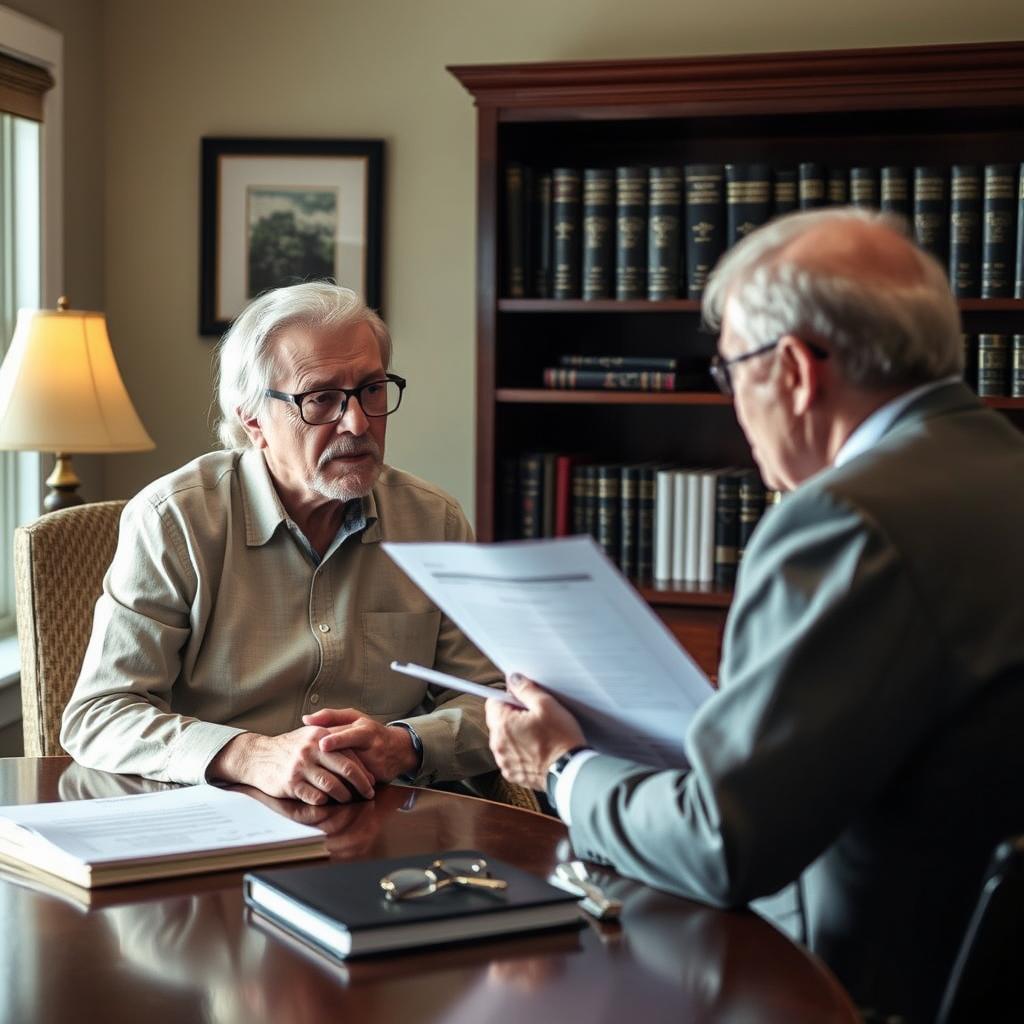
Guardianship Lawyer Rappahannock County, VA
You’re a grandparent whose grandchild’s parents can no longer provide a safe and stable home. The child has been living with you for months, but without legal authority, you can’t enroll them in school, consent to medical care, or protect them from an unstable parent who might take them back. You need a guardianship order from a Rappahannock County court to secure the child’s well‑being—and you want an experienced family law attorney to guide you through the process. Law Offices Of SRIS, P.C. helps families in communities throughout Rappahannock County, including Washington, Sperryville, and Flint Hill. Reach our firm at (888) 437‑7747 to request a consultation. Law Offices Of SRIS, P.C. – Advocacy Without Borders.
How Guardianship Works in Rappahannock County
Guardianship petitions for a minor are heard in the Rappahannock County Juvenile and Domestic Relations District Court. That court has jurisdiction over custody, visitation, and guardianship matters independent of any divorce, while the Rappahannock County Circuit Court handles divorce, equitable distribution, and spousal support. Because Rappahannock County is a rural jurisdiction in Virginia’s Twentieth Judicial District, the same judges serve several neighboring counties, and local practice in the J&DR court may differ from busier urban courts. Our attorneys are familiar with the expectations of the court and are prepared to present the evidence the judge needs to make a decision focused on the child’s best interests.
Under Virginia law, a non‑parent with a legitimate interest—such as a grandparent, aunt, uncle, or other close relative—may petition for guardianship when the child’s parents are unable or unwilling to care for the child. The court will evaluate whether granting guardianship is in the child’s best interests based on the factors in Va. Code § 20‑124.3: the child’s relationship with the petitioner, the role each parent has played, the child’s physical and mental condition, any history of family abuse, and other relevant considerations. Because the court’s order can profoundly affect parental rights, having an attorney who understands the local court and the statutory framework helps ensure your petition is thoroughly prepared.
How Mr. Sris and His Of Counsel Build Your Guardianship Case
Mr. Sris, a former prosecutor, founded the firm in 1997, and his Of Counsel team includes attorneys with extensive family law experience across Virginia. When you work with us on a guardianship matter, we first listen to your situation—who the child is, what the parents’ circumstances are, and why guardianship is needed. We then guide you through the legal steps: determining your standing to petition, gathering evidence of the child’s living situation and the parents’ inability to provide proper care, and preparing your petition for the Rappahannock County J&DR Court.
We handle all court appearances and work to present a clear, well‑supported case to the judge. If the parents are willing to consent, we can help draft a consent order that avoids a contested hearing; if they are unwilling, we prepare for litigation and seek to put on the facts that demonstrate the child’s need for stability. Throughout the process, we keep you informed and help you understand what to expect at each stage. The timeline for a contested guardianship varies depending on the court’s calendar and the complexity of the matter, but our goal is always to work toward a resolution that protects the child’s well‑being.
About Mr. Sris and the Of Counsel Team
Mr. Sris, Owner and Founder of Law Offices Of SRIS, P.C., is a former prosecutor who concentrates his practice in family law and criminal defense. He has been admitted in Virginia, Maryland, the District of Columbia, New Jersey, and New York since 1997, and his legislative testimony—before the Virginia House Courts of Justice Committee in support of 2019 HB 635 (chief patron Del. David Bulova)—reflects his deep familiarity with Virginia family‑law statutes. Mr. Sris and his Of Counsel bring extensive combined legal experience to guardianship matters in Rappahannock County. Results may vary. in your case.
Frequently Asked Questions
What is the difference between custody and guardianship in Virginia?
Guardianship generally refers to a court order appointing a non‑parent as the person responsible for a child’s care, while custody typically involves a parent’s legal relationship with the child. Both proceedings are driven by the child’s best interests. In a guardianship, the petitioner asks the Rappahannock County J&DR Court for legal authority to make decisions for the child when the parents are unable or unwilling to do so; the parents’ rights may remain intact, but the guardian assumes day‑to‑day responsibility. A custody order, by contrast, usually arises in a divorce or between two parents. The specific court and procedural steps differ, and an attorney can help you determine which petition is right for your situation.
Who can file for guardianship of a child in Rappahannock County?
Any person with a legitimate interest—including a grandparent, aunt, uncle, sibling, or other close relative—may file a petition for guardianship in the Rappahannock County Juvenile and Domestic Relations District Court. The petitioner must show that the child’s parents are unable or unwilling to provide proper care, and that the child’s best interests will be served by placing the child with the petitioner. Standing is determined by the court, and the judge will look at the child’s relationship with the petitioner and the parents’ circumstances. Even a non‑relative who has acted as the child’s primary caretaker may be permitted to petition in some situations.
How does the court decide whether to grant a guardianship?
The judge applies the trusted‑interests‑of‑the‑child standard under Va. Code § 20‑124.3, considering factors such as the child’s age, the relationship with each parent and the petitioner, the parents’ ability to meet the child’s needs, and any history of abuse or neglect. The court will also look at the child’s adjustment to their current home and community, and whether giving the guardian legal authority will promote stability. If the parents contest the petition, the court may appoint a guardian ad litem to represent the child’s interests and conduct an independent investigation. At the hearing, both sides present evidence, and the judge makes a decision based on what is best for the child.
Do I need an attorney for a guardianship case in Rappahannock County?
You are not legally required to have an attorney, but an experienced family law lawyer can help you prepare a thorough petition, gather the necessary evidence, and present your case effectively in the Rappahannock County J&DR Court. Guardianship proceedings involve questions of parental rights, child welfare, and a significant amount of paperwork. An attorney can also help you negotiate with the parents for a consent order, which often resolves the matter more quickly and with less conflict. Because the court’s docket can be unpredictable, having counsel who understands local procedure helps ensure your petition is ready when you have your day in court.
How long does a guardianship case take?
The timeline varies depending on whether the parents consent, the complexity of the evidence, and the judge’s calendar. An uncontested guardianship with a signed consent from both parents may be resolved relatively soon after filing, while a fully contested matter can take several months to complete, especially if a guardian ad litem is appointed or if the parents challenge the petitioner’s standing. Your attorney can give you a better estimate after reviewing the facts of your case and the current court schedule. The Rappahannock County J&DR Court sets hearing dates based on its own availability.
What are the rights and responsibilities of a guardian?
A guardian appointed by the court has the legal authority to make decisions about the child’s residence, education, health care, and general welfare, and also has the duty to provide proper care and supervision. The guardian is not the child’s parent, and the parents’ legal rights may not be terminated unless the court also grants a termination of parental rights. The guardian must comply with any conditions outlined in the guardianship order and may be required to report to the court periodically. The order will specify whether the guardianship is temporary or permanent, and the circumstances under which it can be modified or ended.
Can a guardianship be ended or modified?
Yes, a guardianship order can be modified or terminated if there is a significant change in circumstances and it is in the child’s best interests. Either party—the guardian, a parent, or in some cases the child—may petition the Rappahannock County J&DR Court for a change. The moving party must show why the change is warranted, and the court will hold a hearing and evaluate the evidence. If the parents regain the ability to care for the child safely, the court may restore custody to them. An attorney can help you present the evidence and argue why the current arrangement should or should not be continued.
Family Law Resources in Rappahannock County
Fairfax County Family Law Lawyer
Prince William County Family Law Lawyer
Manassas Family Law Lawyer
Fairfax City Family Law Lawyer
Falls Church Family Law Lawyer
Law Offices Of SRIS, P.C.
By appointment only. Call (888) 437‑7747 to schedule a consultation. Our Fairfax Location serves clients at the Rappahannock County courts. Servicios en español disponibles.
Attorney advertising. Prior results do not guarantee a similar outcome. Case results depend on a variety of factors unique to each case. Results may vary.