
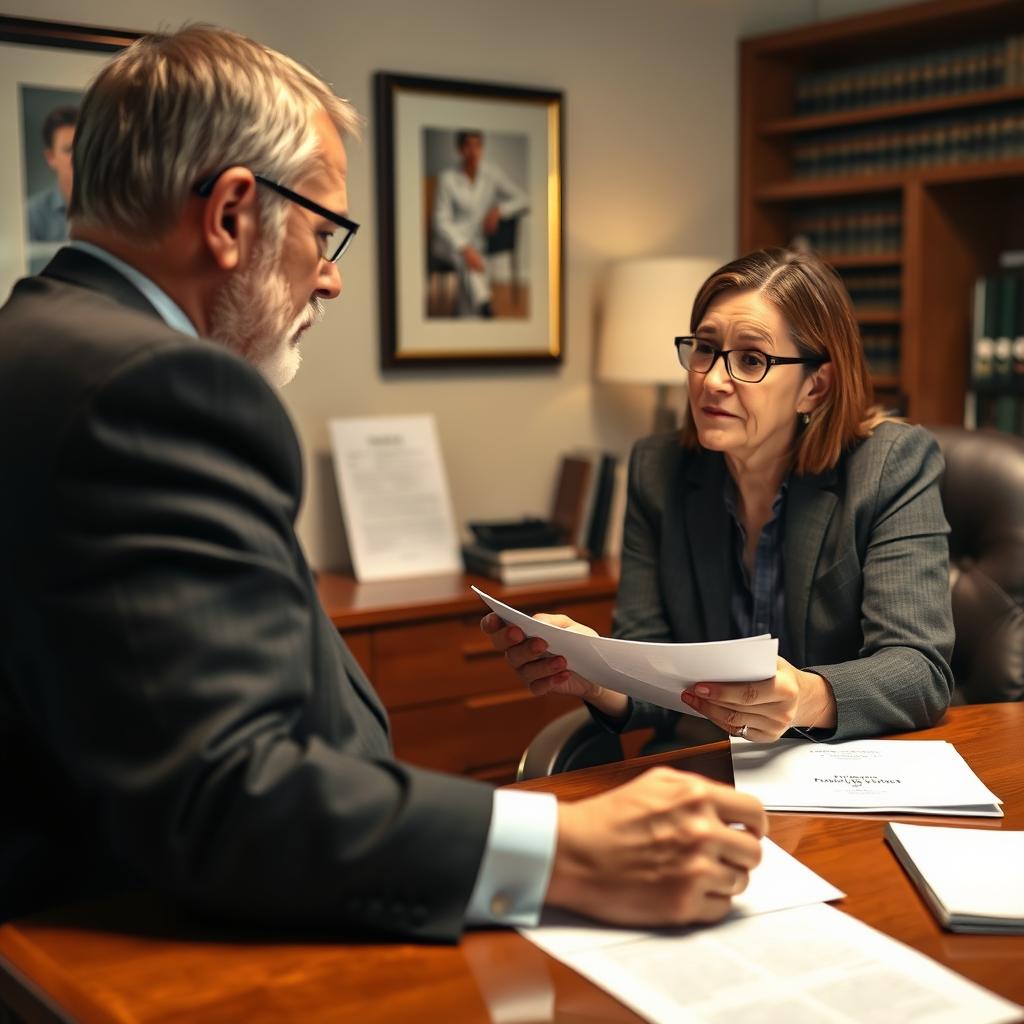
Partner Support Lawyer Virginia, VA
When a marriage ends, the question of ongoing financial support between spouses often becomes a central issue. In Virginia, partner support—commonly referred to as spousal support or alimony—is governed by a series of statutory factors the court must consider before ordering one party to pay support to the other. Mr. Sris, Owner and Founder of Law Offices Of SRIS, P.C., and his Of Counsel bring extensive combined legal experience to partner support matters throughout Virginia. Results may vary. Whether you are the spouse who needs support to maintain a reasonable standard of living or the spouse from whom support is being sought, understanding how Virginia courts approach partner support is the first step toward protecting your interests. For a consultation about your specific situation, reach Law Offices Of SRIS, P.C. at (888) 437-7747. Law Offices Of SRIS, P.C. – Advocacy Without Borders.
What Partner Support Means in Virginia
Partner support in Virginia is financial assistance paid by one spouse to the other after separation or divorce. The court may award temporary support—known as pendente lite support—while a divorce is pending, or a final support award as part of the divorce decree. Virginia Code § 20-107.1 directs the court to consider a range of factors before ordering support, including the earning capacity of each party, the standard of living established during the marriage, the duration of the marriage, the age and physical condition of each spouse, and the contributions each spouse made to the family’s well‑being. Because Virginia is an equitable distribution state rather than a community property state, the division of marital assets and any partner support award are analyzed under separate statutory frameworks, but the two are often interrelated in practice.
Partner support is not automatic. The spouse seeking support must demonstrate a need, and the court must find that the other spouse has the ability to pay. Support may be awarded for a defined period—known as rehabilitative support—to allow the recipient spouse to obtain education or training, or it may be awarded for an indefinite duration in long‑term marriages where one spouse is unlikely to become self‑supporting. Judges in Virginia Circuit Courts, which have exclusive jurisdiction over divorce and related support determinations, exercise broad discretion under the statutory factors. Mr. Sris and his Of Counsel have substantial experience presenting the financial evidence and testimony necessary to frame a partner support claim or defense persuasively.
How Mr. Sris and His Of Counsel Handle Partner Support Cases
Every partner support case begins with a careful review of the financial picture: income, earning capacity, reasonable expenses, and the marital standard of living. Mr. Sris and his Of Counsel work closely with clients to gather pay stubs, tax returns, bank statements, and other documentation that paints a clear financial portrait. When a temporary support order is needed while the divorce is pending, the team moves quickly to file a pendente lite motion, presenting the court with a well‑supported financial argument so the requesting spouse has the resources to live while the case proceeds.
If a negotiated resolution is possible, Mr. Sris and his Of Counsel advocate for a spousal support term that reflects the statutory factors and the client’s long‑term goals—whether that means a lump‑sum buyout, a defined rehabilitative period, or periodic payments that may be modifiable. When the matter must be litigated, the firm’s experience before Virginia Circuit Courts allows it to present a thorough evidentiary case. The team pays careful attention to tax implications, the intersection of support with the equitable distribution of retirement accounts and business interests, and any potential modification or termination events that should be addressed in a final order.
About Mr. Sris and His Of Counsel Team
Mr. Sris, Owner and Founder of Law Offices Of SRIS, P.C., has practiced law since 1997 and is admitted in Virginia, Maryland, the District of Columbia, New Jersey, and New York. A former prosecutor, Mr. Sris brings a trial‑focused perspective to family law matters, including contested partner support proceedings. Mr. Sris testified before the Virginia House Courts of Justice Committee in support of 2019 HB 635 (chief patron Del. David Bulova). His deep familiarity with Virginia statutory law and courtroom procedure informs the firm’s approach to every partner support case.
Mr. Sris’s Of Counsel team includes attorneys with extensive background in family law, civil litigation, and financial dispute resolution. Each Of Counsel attorney works closely with Mr. Sris to ensure that clients receive coordinated representation that addresses the legal, financial, and personal dimensions of a partner support matter. The firm’s multi‑state presence allows it to assist clients whose financial lives cross jurisdictional lines—for example, when one spouse lives in Virginia and the other resides in Maryland or the District of Columbia.
Frequently Asked Questions
What is partner support in Virginia?
Partner support, also called spousal support or alimony, is a court‑ordered payment from one spouse to the other during or after a divorce. In Virginia, the court decides whether to award support by evaluating a list of factors set out in Va. Code § 20‑107.1, including each spouse’s income, needs, standard of living during the marriage, and the length of the marriage. Support can be temporary while the divorce is pending or final after the divorce is granted. The goal is to address financial disparity between the spouses so that neither party is left without reasonable resources.
How does a Virginia court determine the amount and duration of partner support?
The judge weighs all relevant circumstances, including the statutory factors in § 20‑107.1, to decide what is fair and reasonable. There is no fixed formula; a judge has broad discretion. Factors include the earning capacity of each party, the duration of the marriage, the standard of living enjoyed during the marriage, and the contributions each spouse made—both financial and non‑financial. The court may order rehabilitative support for a set time to allow the recipient to become self‑sufficient, or indefinite support in long‑term marriages where the recipient cannot reasonably be expected to enter the workforce.
Can a partner support order be changed after it is entered?
Yes, partner support orders may be modified if there is a material change in circumstances that was not anticipated at the time of the original order. Common examples include a substantial increase or decrease in either party’s income, the recipient spouse obtaining employment or completing a training program, or a health change that affects earning capacity. The party seeking modification must file a motion with the Virginia Circuit Court that issued the original order and present evidence of the changed circumstances. Until the court modifies the order, the existing support obligation remains in effect.
How long does partner support last in Virginia?
The duration depends on the language of the court order or settlement agreement. Rehabilitative support is usually set for a defined period—often until a specific date or event, such as the completion of an educational program. Permanent or indefinite support may continue until the death of either party or the remarriage of the recipient, unless the order says otherwise. Virginia law allows for support to terminate automatically upon remarriage or cohabitation under certain provisions, but the parties must carefully review the specific terms of their decree or agreement.
Do I need a lawyer for a partner support case in Virginia?
While you are not legally required to have an attorney, partner support disputes involve complex financial and legal issues that can affect you for years. An experienced lawyer can help you gather the financial evidence you need, present the statutory factors persuasively, and advocate for a support structure that fits your circumstances. Without experienced counsel, you risk an order that does not adequately address your needs or your ability to pay. For guidance on your specific situation, reach Law Offices Of SRIS, P.C. at (888) 437-7747.
What should I do if I am facing a partner support dispute in Virginia?
Gather your financial records—tax returns, pay stubs, bank statements, and a list of monthly expenses—and speak with an attorney as soon as possible. The sooner you understand your rights and obligations under Virginia law, the better equipped you will be to make decisions about your case. Avoid making unilateral financial changes, such as stopping support payments or draining joint accounts, as these actions can harm your credibility with the court. A consultation helps you map out a strategy that protects your financial future.
For additional information about partner support in specific Virginia localities, you may also find these resources helpful:
- Partner Support Lawyer in Norfolk, Virginia
- Partner Support Lawyer in Richmond, Virginia
- Partner Support Lawyer in Portsmouth, Virginia
- Family Law Lawyer Virginia
For authoritative statutory and court information, you may consult the following official sources:
Attorney advertising. Prior results do not guarantee a similar outcome. Results may vary.
Case results depend on a variety of factors unique to each case.