
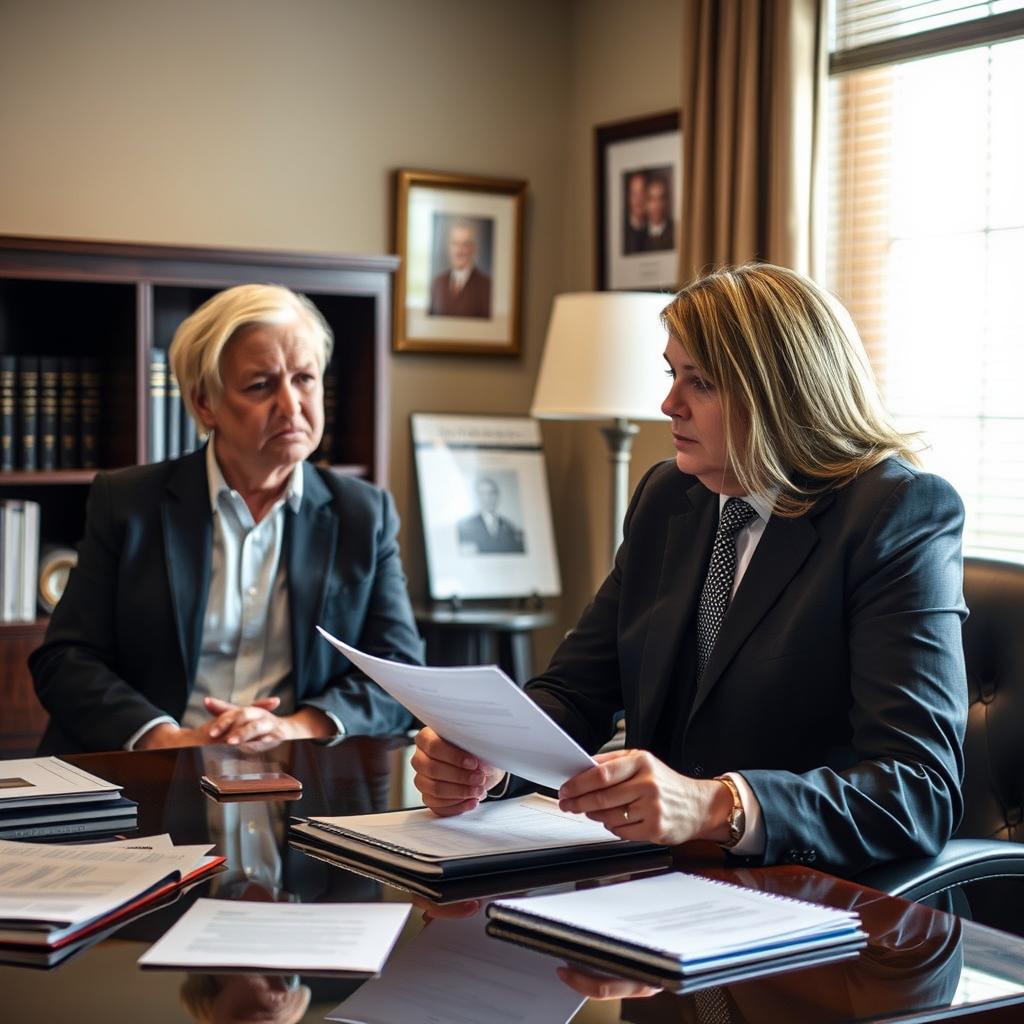
Alimony Lawyer Virginia, VA
You’ve decided to divorce, but you don’t know what spousal support will mean for your finances. In Virginia, alimony is awarded based on a careful analysis of each spouse’s needs and ability to pay. The process can be stressful, but you don’t have to face it alone. Law Offices Of SRIS, P.C. represents clients across Virginia in alimony cases. Call (888) 437-7747 to discuss your situation. Law Offices Of SRIS, P.C. – Advocacy Without Borders.
Alimony, also referred to as spousal support or maintenance, is a payment from one spouse to the other after separation or divorce. Its purpose is to address any financial imbalance that arises when a marriage ends and to provide the lower-earning spouse with resources to maintain a standard of living reasonably comparable to what was established during the marriage. Virginia law gives judges significant discretion in determining whether alimony is appropriate and, if so, in what amount and for what duration. Understanding how Virginia courts approach alimony can help you set realistic expectations and make informed decisions about your case. The outcome depends on the specific facts of each marriage, including its length, the roles each spouse played, and the financial circumstances of both parties.
Understanding Your Alimony Options in Virginia
Virginia courts consider several types of spousal support. Temporary alimony can be awarded while the divorce is pending to help a spouse meet immediate living expenses. Rehabilitative alimony may be granted for a limited time so a spouse can gain education or job skills. In longer marriages, a court may order permanent alimony when a spouse cannot become self‑supporting due to age, health, or other circumstances. The judge weighs factors such as the length of the marriage, each spouse’s earning capacity, the standard of living established during the marriage, and the contributions each spouse made to the family’s well‑being. Our role is to present a clear picture of the financial realities so the court can reach a fair result. We work with clients to negotiate agreements when possible and pursue litigation when necessary.
The specific factors Virginia courts are required to consider under Virginia Code § 20-107.1 include the obligations and needs of each spouse, the duration of the marriage, the age and physical and mental condition of each spouse, and how any marital fault affected the family’s financial circumstances. The court also looks at each spouse’s earning capacity, including their education, training, employment skills, and the time and expense needed for the spouse seeking support to gain suitable employment. Contributions made by each spouse to the family, both monetary and nonmonetary, are also weighed. Nonmonetary contributions can include homemaking, child-rearing, and supporting the other spouse’s career advancement. The court may also consider the equitable distribution of marital property, tax consequences, and any other relevant factors. Because there is no rigid formula for calculating alimony in Virginia, having counsel who knows how to present evidence on these factors can make a meaningful difference in the outcome.
It is also important to understand that alimony is separate from child support and the division of marital property. While these issues often arise in the same divorce proceeding, they serve different purposes. Child support is for the benefit of the children, while alimony is for the benefit of a spouse. Property division addresses the distribution of assets and debts accumulated during the marriage. A spouse may receive alimony even if they also receive a share of the marital property, though the property award can affect the amount and duration of support. Our firm helps clients understand how these issues interact and works to coordinate a strategy that addresses all aspects of the divorce.
What to Expect When You Work with Our Firm
When you contact Law Offices Of SRIS, P.C., we begin by learning the details of your situation. We review financial documents, including tax returns, pay stubs, and asset records, to assess each spouse’s income and expenses. If a settlement cannot be reached, we file the appropriate paperwork with the circuit court in the appropriate Virginia jurisdiction. Throughout the process, we prepare you for hearings, address temporary support needs, and advocate for a support order that is reasonable under Virginia law. The timeline varies depending on the complexity of the case and the court’s calendar, but you will be kept informed at every step.
One of the first steps in any alimony case is gathering complete and accurate financial information. Both spouses are typically required to provide detailed financial disclosures. This allows each side to evaluate what support may be appropriate. In many cases, the parties may be able to reach an agreement on alimony without a trial. Negotiated settlements can save time, reduce costs, and give the parties more control over the outcome than leaving the decision to a judge. However, when settlement efforts are unsuccessful, we are prepared to present evidence and arguments at a hearing. We work with financial attorneys when needed to analyze income, business valuations, and other complex financial issues. Our goal is to ensure the court has a complete and accurate understanding of the financial picture before making its ruling.
Enforcement and Contempt for Unpaid Alimony
If a former spouse fails to pay court‑ordered alimony, Virginia law provides enforcement tools. The payee can return to court to request that the court hold the non‑paying spouse in contempt. Penalties for contempt may include wage garnishment, liens on property, suspension of a professional license, or even jail time in extreme cases. Our firm assists both those seeking enforcement and those defending against contempt allegations. We help clients document payment histories and present a compelling case to the court.
Enforcement proceedings begin with filing a petition or motion with the court that issued the original alimony order. The court will schedule a hearing at which the payee must show that the obligor had the ability to pay and willfully failed to do so. Defenses to contempt may include a genuine inability to pay due to circumstances beyond the obligor’s control, such as job loss or serious illness. If the court finds the obligor in contempt, it can impose sanctions designed to compel compliance. These may include a payment plan for arrearages, an income deduction order, or other measures. In cases where the obligor has left the state, the Uniform Interstate Family Support Act provides a framework for enforcing Virginia alimony orders across state lines. Our firm helps clients navigate these procedural requirements and advocates for timely enforcement of support obligations.
Experienced Virginia Alimony Counsel
Mr. Sris, Owner and Founder of Law Offices Of SRIS, P.C., has been practicing law since 1997. A former prosecutor, he now concentrates his practice on family law, including alimony and spousal support matters. His Of Counsel bring additional experience in litigation and negotiation. Together, Mr. Sris and his Of Counsel serve clients throughout Virginia, from Fairfax to Richmond and beyond. When you work with our firm, you have a team of experienced multi‑state attorneys focused on achieving a fair outcome.
Frequently Asked Questions About Alimony in Virginia
Do I need a lawyer for alimony in Virginia?
You are not legally required to hire a lawyer, but an experienced alimony attorney helps ensure that your financial interests are protected and that the support order is fair. Without legal guidance, you may overlook factors that affect the amount of support. A lawyer can also handle complex financial analysis and negotiate on your behalf. For a consultation, call (888) 437-7747.
How is alimony decided in Virginia?
Virginia courts decide alimony by evaluating a list of factors set out in statute, including the length of the marriage, each spouse’s income and earning potential, the standard of living during the marriage, and the contributions each spouse made to the family. There is no fixed formula; the judge has broad discretion. We present evidence to support our client’s position and advocate for a reasonable outcome. For guidance on your specific situation, reach Law Offices Of SRIS, P.C. at (888) 437-7747.
Can alimony be modified later?
Yes, Virginia allows either party to request a modification of alimony if there has been a material change in circumstances, such as a significant change in income or health. The party seeking the change must demonstrate that the original order is no longer appropriate. We help clients petition for modification or defend against unwarranted modification requests. To discuss the details of your matter, contact Law Offices Of SRIS, P.C. at (888) 437-7747.
What if my spouse refuses to pay alimony?
If your former spouse fails to pay court‑ordered alimony, you can seek enforcement through the court, which may hold the non‑paying spouse in contempt and impose penalties. Possible remedies include wage garnishment, property liens, or even incarceration. We represent clients in enforcement proceedings and work to recover unpaid support. For a consultation, reach Mr. Sris and his Of Counsel at (888) 437-7747.
How do I start the alimony process in Virginia?
To begin seeking alimony, you should contact an experienced family law attorney to evaluate your situation and, if appropriate, file a complaint for divorce or separate maintenance with the circuit court in the jurisdiction where either spouse lives. The attorney will help gather financial records and negotiate with the other side. If agreement cannot be reached, the court will decide the support issue at a hearing. To discuss your options, call (888) 437-7747 to schedule a consultation.
When preparing for an initial consultation, it is helpful to gather as much financial documentation as possible. This may include recent pay stubs, tax returns, bank statements, credit card statements, mortgage documents, and any existing separation agreements. Having this information ready allows for a more productive discussion about what alimony might look like in your specific circumstances. Many people also find it useful to prepare a list of questions about the process, the expected timeline, and what to anticipate in terms of legal fees. The initial meeting is an opportunity to assess whether the attorney is a good fit for your needs and to begin developing a strategy for moving forward. Being organized and candid during this meeting helps set the stage for an effective attorney-client relationship.
To discuss your alimony matter, call (888) 437-7747 to schedule a consultation. Our phones are answered during business hours.
Law Offices Of SRIS, P.C.
4008 Williamsburg Court
Fairfax, VA 22032
By appointment only. Call (888) 437-7747 to schedule.
For a more in‑depth look at Virginia alimony statutes and the factors the court considers, see our comprehensive analysis at srislawyer.com.
Attorney advertising. Prior results do not guarantee a similar outcome.
Case results depend on a variety of factors unique to each case.