
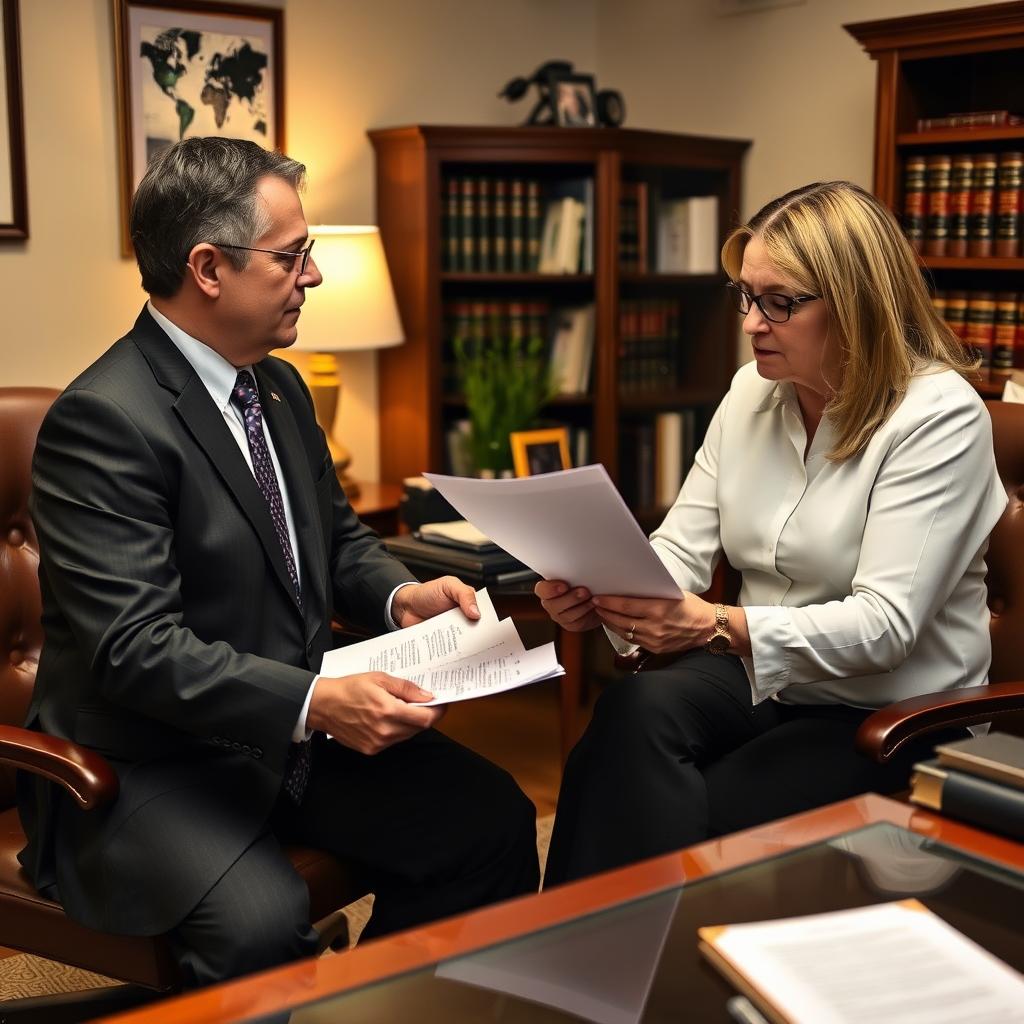
Alimony Enforcement Lawyer Fluvanna County, VA
When a former spouse fails to make spousal support payments ordered by a Virginia court, the recipient has legal options to compel compliance. Alimony enforcement in Fluvanna County calls for familiarity with Virginia’s equitable distribution and spousal support statutes, as well as the procedural practices of the Fluvanna County Juvenile and Domestic Relations District Court and the Fluvanna County Circuit Court. Law Offices Of SRIS, P.C., founded in 1997, serves clients in Fluvanna County and across Virginia from our Shenandoah location. Mr. Sris, a former prosecutor and Owner and Founder of the firm, along with his Of Counsel, handles alimony enforcement matters arising from divorce decrees and separate maintenance orders. If you are not receiving the support you are due, reach Law Offices Of SRIS, P.C. at (888) 437-7747 to request a consultation. Law Offices Of SRIS, P.C. – Advocacy Without Borders.
What Alimony Enforcement Means in Fluvanna County
Virginia law grants courts the power to enforce spousal support, sometimes called alimony, through contempt proceedings, wage assignments, and other remedies. Alimony enforcement ensures that a payor who has the ability to pay but willfully fails to do so faces legal consequences. In Fluvanna County, enforcement actions are typically brought in the court that issued the original support order. If the order was entered as part of a divorce in the Circuit Court, the enforcement action proceeds in that court. If the order originated in the Juvenile and Domestic Relations District Court—for example, a support order entered separately from a divorce—that court retains jurisdiction for enforcement.
The Fluvanna County Circuit Court, located at 72 Main Street, Suite B, Palmyra, handles equitable distribution and divorce-related spousal support. The Fluvanna County Juvenile and Domestic Relations District Court, which shares the same Palmyra address, addresses custody, visitation, and support matters not attached to a divorce. Both courts can enforce support orders under Virginia Code § 20-107.1 and related provisions. The court may compel the payor to appear, hold them in contempt, impose fines, order payment of arrears, and in severe cases, impose a jail sentence. The goal is to bring the obligor into compliance, not merely to punish. A knowledgeable firm can help the recipient present the arrearage and demonstrate the payor’s ability to pay.
How Mr. Sris and His Of Counsel Handle Alimony Enforcement Cases
Mr. Sris and his Of Counsel begin by reviewing the underlying support order, the payment history, and any previous enforcement attempts. They determine whether the matter should be filed in the Fluvanna County Circuit Court or the Juvenile and Domestic Relations District Court based on the order’s origin. They then prepare a motion for enforcement, identifying the arrearage and the specific terms violated. The firm works with the client to gather financial records, communication logs, and other evidence that demonstrates the payor’s ability to pay and the willfulness of the non-compliance.
Once the motion is filed, the court sets a hearing date. Mr. Sris and his Of Counsel represent the client at the hearing, presenting evidence and arguing for appropriate remedies. Those remedies may include a judgment for arrears, an income deduction order, or a finding of contempt. If the payor raises a defense—such as inability to pay—the firm challenges that claim and advocates for the recipient’s rights. Throughout the process, the firm maintains open communication with the client and keeps them informed of the case’s progress. Each enforcement matter follows its own timeline, which depends on the court’s calendar, the complexity of the issues, and the responsiveness of the opposing party.
About Mr. Sris and His Of Counsel Team
Mr. Sris is the Owner and Founder of Law Offices Of SRIS, P.C. He is a former prosecutor and has been practicing law since 1997. He is admitted to practice in Virginia, Maryland, the District of Columbia, New Jersey, and New York. His experience includes representing clients in family law matters, including spousal support enforcement, across multiple jurisdictions. Mr. Sris testified before the Virginia House Courts of Justice Committee in support of 2019 HB 635 (chief patron Del. David Bulova).
Mr. Sris’s Of Counsel include attorneys with backgrounds in criminal prosecution, law enforcement, and civil litigation. Their combined perspectives strengthen the firm’s approach to alimony enforcement. Mr. Sris and his Of Counsel bring extensive combined legal experience. Results may vary. The team collaborates to represent clients effectively in Fluvanna County’s courts, handling matters ranging from simple arrearage claims to complex enforcement actions involving business interests or hidden assets.
Frequently Asked Questions
What is alimony enforcement in Virginia?
Alimony enforcement is the legal process a spousal support recipient uses to compel a payor who has failed to make court-ordered payments to comply. Under Virginia Code § 20-107.1, courts have the authority to enforce support orders through contempt proceedings, wage garnishment, and other remedies. If you have an order for spousal support and the other party is not paying, you can file a motion with the court that issued the order. The court can require the payor to appear and explain the non-payment, and if willful, impose sanctions.
When should I seek alimony enforcement in Fluvanna County?
You can seek enforcement as soon as the other party misses a payment, regardless of the amount or how long the arrearage has accumulated. While a small gap may be resolvable informally, prolonged non-payment or a pattern of late payments may call for formal court action. The Fluvanna County Juvenile and Domestic Relations District Court or the Circuit Court can hear enforcement motions. It is prudent to address the issue before arrears grow substantially, as enforcement becomes more complex when the obligor’s assets or circumstances change.
What remedies does a Virginia court have for unpaid alimony?
Virginia courts can hold a non-paying spouse in contempt, impose fines, order wage garnishment, and, in cases of willful refusal, sentence the obligor to jail. The court may also order the payor to pay the recipient’s attorney’s fees incurred in pursuing enforcement. The specific remedy depends on the payor’s ability to pay and the nature of the violation. The goal is to obtain compliance, not punishment, and the court’s authority under Code § 20-107.1 gives it wide discretion.
Can I modify alimony while seeking enforcement?
Yes, you may simultaneously request enforcement of an existing order and petition for modification if a material change in circumstances has occurred. For example, if the payor’s income has increased, you might seek an upward modification. Conversely, if the payor claims inability to pay, the court will examine their financial situation. Modification and enforcement are separate legal proceedings, and an experienced family law attorney can advise you on the most effective strategy for your case.
Do I need a lawyer for alimony enforcement in Fluvanna County?
While self-representation is legally permitted, having an experienced attorney helps you navigate procedural requirements, gather the right evidence, and present a thorough case to the court. A lawyer familiar with the Fluvanna County courts can anticipate how judges may view certain defenses and can negotiate effectively with the opposing party or their counsel. Representation also ensures that you meet filing deadlines and court protocols, reducing the risk of procedural dismissal.
How much does it cost to hire an alimony enforcement lawyer?
Fees vary based on the specific facts of your case, including the complexity of the arrearage, the number of hearings required, and whether the opposing party is represented. The firm offers consultations to discuss your situation and provide a fee estimate. In some instances, the court may order the non-paying spouse to pay your attorney’s fees as part of the enforcement order. Contact Law Offices Of SRIS, P.C. at (888) 437-7747 to arrange a consultation.
Resources for Family Law in Fluvanna County
For additional information, see our family law pages for Fairfax County, Fairfax City, Falls Church, Prince William County, and Manassas. These pages cover family law matters in those jurisdictions.
Virginia Legal Resources
Explore official Virginia legal resources for spousal support and court information:
- Virginia Code § 20-107.1 (Spousal Support Factors)
- Virginia Judicial System Self-Help Family Law
- Fluvanna County Courts
Attorney advertising. Prior results do not guarantee a similar outcome. Results may vary. Case results depend on a variety of factors unique to each case.