
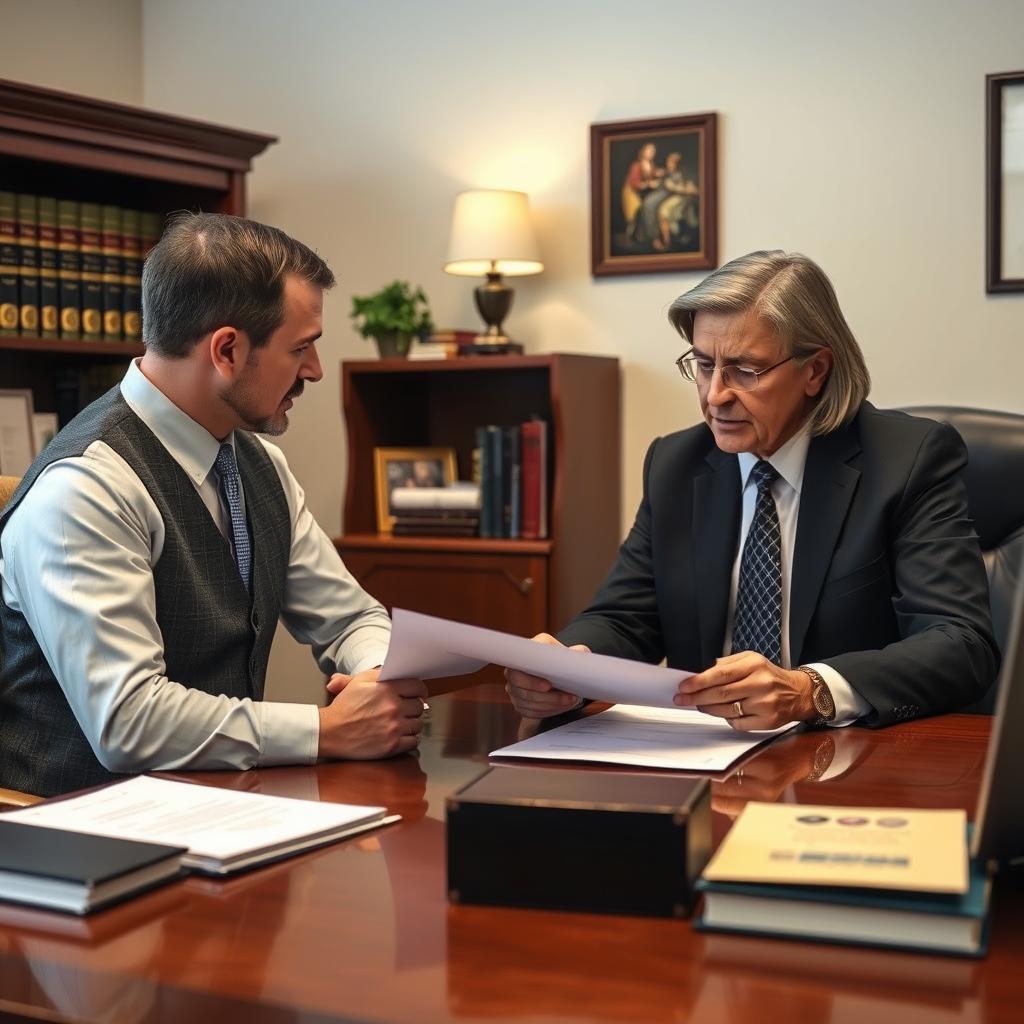
Alimony Enforcement Lawyer Dinwiddie County, VA
When a former spouse fails to comply with a court-ordered spousal support obligation, the financial pressure can be immediate and severe. In Dinwiddie County, Virginia, enforcement of alimony is handled through the courts that issued the original order — typically the Dinwiddie County Juvenile and Domestic Relations District Court for standalone support matters or the Dinwiddie County Circuit Court when the support order was entered as part of a divorce decree. Mr. Sris and his Of Counsel at Law Offices Of SRIS, P.C. represent clients seeking to compel compliance with existing alimony orders, bringing extensive combined legal experience to the enforcement process. Reach Law Offices Of SRIS, P.C. at (888) 437-7747 to request a consultation. Law Offices Of SRIS, P.C. – Advocacy Without Borders.
What Alimony Enforcement Means in Dinwiddie County
Alimony — called spousal support in Virginia — is governed by Va. Code § 20‑107.1, which sets forth 13 factors the court weighs when setting or modifying support. Once an order is entered, both parties are expected to comply. Enforcement becomes necessary when the paying spouse fails to make payments as ordered, whether in full, on time, or at all. In Dinwiddie County, enforcement proceedings are brought before the Dinwiddie County Juvenile and Domestic Relations District Court if the support order was entered there, or before the Dinwiddie County Circuit Court when the obligation stems from a final divorce decree. The court has several tools to secure compliance, including income-withholding orders, liens, contempt proceedings, and, in serious cases, the potential for incarceration if willful contempt is found.
The enforcement process is not a new lawsuit; it is a motion filed in the same case that produced the original order. The moving party must demonstrate that the obligor failed to meet the obligation and that the failure was willful. Virginia courts look to the obligor’s ability to pay, any changes in circumstances, and whether the obligee has taken reasonable steps to collect. In Dinwiddie County, the Richmond location of Law Offices Of SRIS, P.C. serves clients throughout Dinwiddie, McKenney, and the surrounding communities, appearing regularly in the courthouse located in Dinwiddie.
How Mr. Sris and His Of Counsel Handle Alimony Enforcement Cases
When a client contacts our firm about an alimony enforcement matter, the first step is a careful review of the existing court order and payment history. Mr. Sris and his Of Counsel work to establish a clear record of non‑payment and to assess the obligor’s apparent financial situation. In many cases, a demand letter to the other side — accompanied by documentation — can prompt voluntary compliance without the need for a court hearing. Where negotiation does not succeed, the next step is to file a motion for a rule to show cause or a motion for enforcement, depending on the procedural posture of the case.
At the hearing, the moving party must present evidence of the order, the obligor’s failure to pay, and facts supporting willfulness. The court evaluates the obligor’s ability to pay and considers any defenses raised. Mr. Sris and his Of Counsel prepare clients for the hearing, gather necessary financial records, and present the argument to the judge. Because the outcome of an enforcement proceeding can affect ongoing support, wage garnishment, and a party’s credit, we approach each matter with thorough preparation. The timeline for resolution depends on the court’s calendar, the complexity of the obligor’s financial circumstances, and whether the obligor contests the motion.
About Mr. Sris and His Of Counsel Team
Mr. Sris, Owner and Founder of Law Offices Of SRIS, P.C., is a former prosecutor who has practiced law since 1997. He is admitted in Virginia, Maryland, the District of Columbia, New Jersey, and New York. Mr. Sris testified before the Virginia House Courts of Justice Committee in support of 2019 HB 635 (chief patron Del. David Bulova). His Of Counsel include experienced family‑law practitioners who assist with case preparation, negotiation, and court appearances. Mr. Sris and his Of Counsel bring extensive combined legal experience. Results may vary.
Frequently Asked Questions
What is alimony enforcement in Virginia?
Alimony enforcement is the legal process of compelling a former spouse to comply with a court‑ordered spousal support obligation when that spouse has failed to make the required payments. In Virginia, the obligation arises under Va. Code § 20-107.1 and the enforcement proceeding is typically a motion filed in the same court that entered the original order. The court may use income withholding, contempt sanctions, or other remedies to secure payment.
How do I start an alimony enforcement case in Dinwiddie County?
You begin by filing a motion for a rule to show cause or a motion for enforcement in the Dinwiddie County court that issued the original support order — either the Juvenile and Domestic Relations District Court or the Circuit Court. The motion must identify the specific order, the amounts unpaid, and the periods of non‑compliance. Because procedural requirements are strict, many clients work with a lawyer to prepare the motion and supporting evidence. The Richmond location of Law Offices Of SRIS, P.C. handles these filings on behalf of clients.
What must I prove in an alimony enforcement hearing?
You must prove that a valid court order exists, that the obligor has not paid as ordered, and that the non‑payment was willful. Evidence typically includes the original support order, a detailed payment ledger, bank records, and testimony about the obligor’s employment and income. The court evaluates ability to pay and any changes in circumstances. Virginia law under Va. Code § 20‑107.1 gives the court broad discretion to fashion an appropriate remedy.
Can the court hold my ex‑spouse in contempt for not paying alimony?
Yes, the court may find a non‑paying spouse in civil contempt if it determines that the failure to pay was willful and that the obligor has the present ability to pay. The purpose of civil contempt is to coerce compliance, and the court can impose sanctions such as a fine or, in extreme cases, incarceration until the obligor complies. The court may also award attorney fees to the party enforcing the order.
Do I need a lawyer for alimony enforcement in Dinwiddie County?
While you are not required to have a lawyer, enforcement proceedings involve evidentiary burdens and court procedures that are difficult to manage without legal experience. An attorney can assess the strength of your case, gather the necessary documentation, draft the motion, and present your evidence at the hearing. For a consultation, reach Mr. Sris and his Of Counsel at (888) 437‑7747.
What does Mr. Sris and his Of Counsel do to help in an enforcement matter?
Mr. Sris and his Of Counsel review the support order, document the payment history, assess the obligor’s financial situation, and attempt to resolve the matter through negotiation before filing a motion. If a hearing is necessary, they prepare the client, present evidence, and cross‑examine the other side. They also advise on post‑judgment collection tools available under Virginia law. To discuss the details of your matter, contact Law Offices Of SRIS, P.C. at (888) 437‑7747.
Explore related pages:
Alimony Lawyer Dinwiddie County |
Child Support Enforcement |
Divorce Lawyer Dinwiddie County
Virginia family‑law resources:
Virginia Code Title 20 (Domestic Relations) |
Virginia Judicial System
Attorney advertising. Prior results do not guarantee a similar outcome.
Results may vary. Case results depend on a variety of factors unique to each case.