
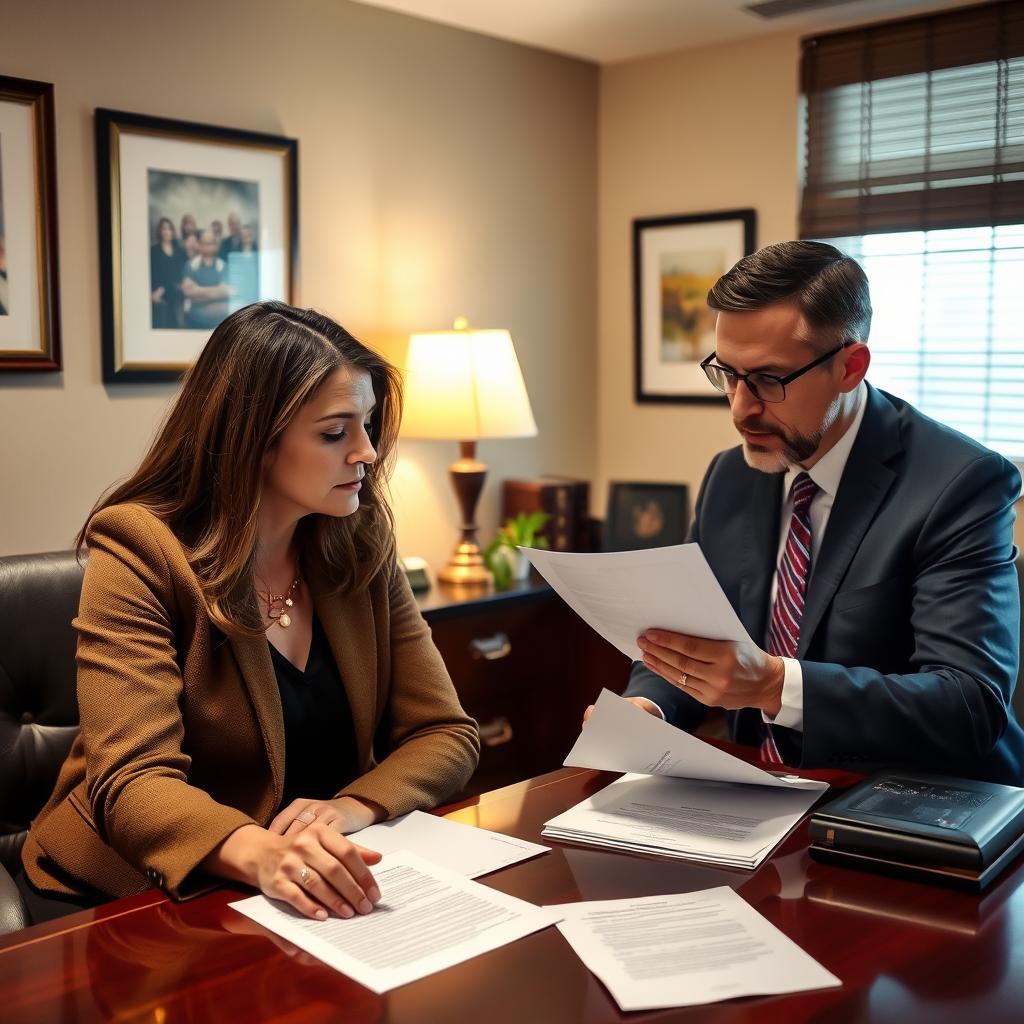
Private Adoption Lawyer King William County, VA
Private adoption in King William County, Virginia, allows prospective parents to expand their families without an agency intermediary. The process is governed by Virginia Code Title 63.2 and involves the Circuit Court or the Juvenile and Domestic Relations District Court. Whether you are a birth parent considering placement, a stepparent, a relative seeking to formalize a relationship, or an individual hoping to adopt a child through a private arrangement, working with an experienced private adoption lawyer can help you understand your rights and obligations. Mr. Sris and the firm’s Of Counsel attorneys represent clients across King William County, including King William, West Point, and Aylett. For a consultation about your private adoption matter, call (888) 437-7747.
How Private Adoption Works in King William County
Private adoption, sometimes called independent adoption, occurs when the birth parents and adoptive parents reach an agreement directly, without the involvement of a licensed child-placing agency. In Virginia, the adoption process is supervised by the court, which must find that the adoption is in the best interests of the child. The King William County Circuit Court at 351 Courthouse Lane, Suite 201, King William, VA 23086, handles adoption petitions, while the Juvenile and Domestic Relations District Court may address related custody or support issues. The firm’s Richmond location, at 7400 Beaufont Springs Drive, Suite 300, Room 395, appears for clients before both courts.
The private-adoption framework in Virginia places significant emphasis on informed consent, the termination of birth-parent rights, and a thorough home study. Birth parents must provide valid, voluntary consent—typically not sooner than three days after the child’s birth. The court requires a home study conducted by a licensed child-placing agency, unless it is waived in certain relative or stepparent adoptions. An attorney can guide you through each step, from initial negotiations and background checks to preparing the petition and presenting evidence at the final hearing. Because private adoptions involve personal and often emotional dynamics, the approach is tailored to the unique circumstances of each family.
Frequently Asked Questions
What is private adoption in Virginia?
Private adoption is a legal process in which birth parents place a child directly with adoptive parents without the involvement of an adoption agency, subject to court approval under Virginia law. The adoptive parents and birth parents often connect through mutual contacts, an attorney, or a facilitator. The process still requires compliance with Virginia Code § 63.2-1200 et seq., including consent, home study, and a final decree of adoption entered by the Circuit Court. An attorney can help ensure that all statutory requirements are met and that the adoption is finalized properly.
Do I need a lawyer for a private adoption in King William County?
Virginia law does not require you to be represented by an attorney to complete an adoption, but having an experienced private-adoption lawyer can help you navigate procedural requirements and protect your rights. The adoption petition, background checks, home study coordination, and consent documents must conform to statutory standards. An attorney can also address unexpected issues—such as a birth parent’s revocation of consent or a missing affidavit—and represent you at the King William County Circuit Court hearing. For a consultation, contact Law Offices Of SRIS, P.C. at (888) 437-7747.
How does the private adoption process work in Virginia?
The private-adoption process generally involves four stages: pre-placement preparation, consent and placement, home study and investigation, and finalization before the court. After locating a birth parent and securing consent, the adoptive parents file a petition for adoption in the Circuit Court. The court orders a home study and a report from a guardian ad litem if needed. Once the investigation is complete and the court finds the adoption in the child’s best interests, it enters a final order of adoption. The timeline varies by court scheduling and the specific facts of the case.
What is the difference between private and agency adoption?
Agency adoptions involve a licensed child-placing agency that facilitates the match, while private adoptions proceed without an agency intermediary. In a private adoption, the birth parents and adoptive parents arrange the placement independently, often through an attorney. Both forms require court approval under Virginia Code Title 63.2, but the procedural steps—especially the home study and consent requirements—can differ. An attorney can explain the advantages and risks of each path for your situation.
What are the rights of birth parents in a private adoption?
Birth parents have the right to give or withhold consent, to receive independent legal counsel, and to revoke consent within a limited statutory period in certain circumstances. Under Virginia law, valid consent is typically executed after the child’s birth and no sooner than three days post-birth. Birth parents may also negotiate some degree of post-adoption contact through a cooperative adoption agreement, though such agreements are not enforceable in every jurisdiction. Because these rights are personal and important, each birth parent should consult with separate legal counsel.
Is a home study required for private adoption in Virginia?
Yes, a home study is generally required for all adoptions in Virginia unless it is specifically waived by the court in certain relative or stepparent adoption cases. The home study is conducted by a licensed child-placing agency and evaluates the adoptive parents’ background, home environment, financial capacity, and overall suitability. The report is filed with the Circuit Court and helps the judge determine whether the adoption is in the child’s best interests. Your attorney can coordinate the home study process with the designated agency.
Can a stepparent adopt through a private adoption in King William County?
Yes, stepparent adoptions are a common form of private adoption in Virginia. In a stepparent adoption, the child’s biological parent consents, and the stepparent petitions to adopt. The other birth parent’s parental rights must be terminated voluntarily or by court order. Stepparent adoptions may include relaxed home-study requirements or a waiver. The case is heard in the King William County Circuit Court. An attorney can assist with obtaining the necessary consents and filing the petition.
What role does an attorney play in a private adoption?
An attorney advises clients on eligibility, drafts and files the adoption petition, facilitates the home study process, secures consents, represents the adoptive parents at the final hearing, and addresses any unforeseen legal challenges. In a private adoption, the attorney serves as a legal counselor—not a placement agency—and ensures that all documents comply with Virginia’s statutory framework. Mr. Sris and the firm’s Of Counsel attorneys bring substantial experience in family law matters, including private adoptions, throughout King William County.
How long does a private adoption take in King William County?
The total time varies depending on whether the adoption is contested, the court’s docket, and the time required for the home study and any mandatory waiting periods. Once the petition is filed and all necessary reports are submitted, the court schedules a hearing. In uncontested cases, the final decree may be entered within a few months; contested matters or those requiring additional investigation can extend the timeline. An attorney can provide a more specific estimate after reviewing the details of your situation.
What are the typical costs associated with private adoption?
Adoption costs depend on the complexity of the case, attorney representation, home study fees, and court filing fees, which vary. Because private adoptions do not involve an agency, the overall cost may be less than an agency adoption, but each matter is unique. Law Offices Of SRIS, P.C. can discuss fee arrangements during a consultation. Contact us at (888) 437-7747 to learn about payment options.
Can birth parents receive expenses as part of a private adoption?
Virginia law permits adoptive parents to pay certain pregnancy-related medical, legal, and living expenses of the birth mother, subject to court approval. The payments must be reasonable, properly documented, and not constitute payment for the child. The court reviews any payments to ensure they comply with Virginia Code § 63.2-1221, which prohibits baby selling. An attorney can advise on which expenses are permissible and how to structure payments lawfully.
About Mr. Sris and the Firm’s Of Counsel Attorneys
Mr. Sris, Owner and Founder of Law Offices Of SRIS, P.C., has practiced law since 1997. A former prosecutor, he founded the firm with a commitment to multi-state representation. He testified before the Virginia House Courts of Justice Committee in support of 2019 HB 635 (chief patron Del. David Bulova). The firm’s Of Counsel attorneys contribute additional experience across family law, litigation, and criminal defense. Together, Mr. Sris and the firm’s Of Counsel attorneys bring extensive combined legal experience. Results may vary.
The firm serves clients in King William County from its Richmond location. To schedule a consultation about a private adoption matter, call (888) 437-7747.
For further reading, visit our family law pages in Fairfax County, Fairfax City, and Prince William County.
Attorney advertising. Prior results do not guarantee a similar outcome. Case results depend on a variety of factors unique to each case. Results may vary.