
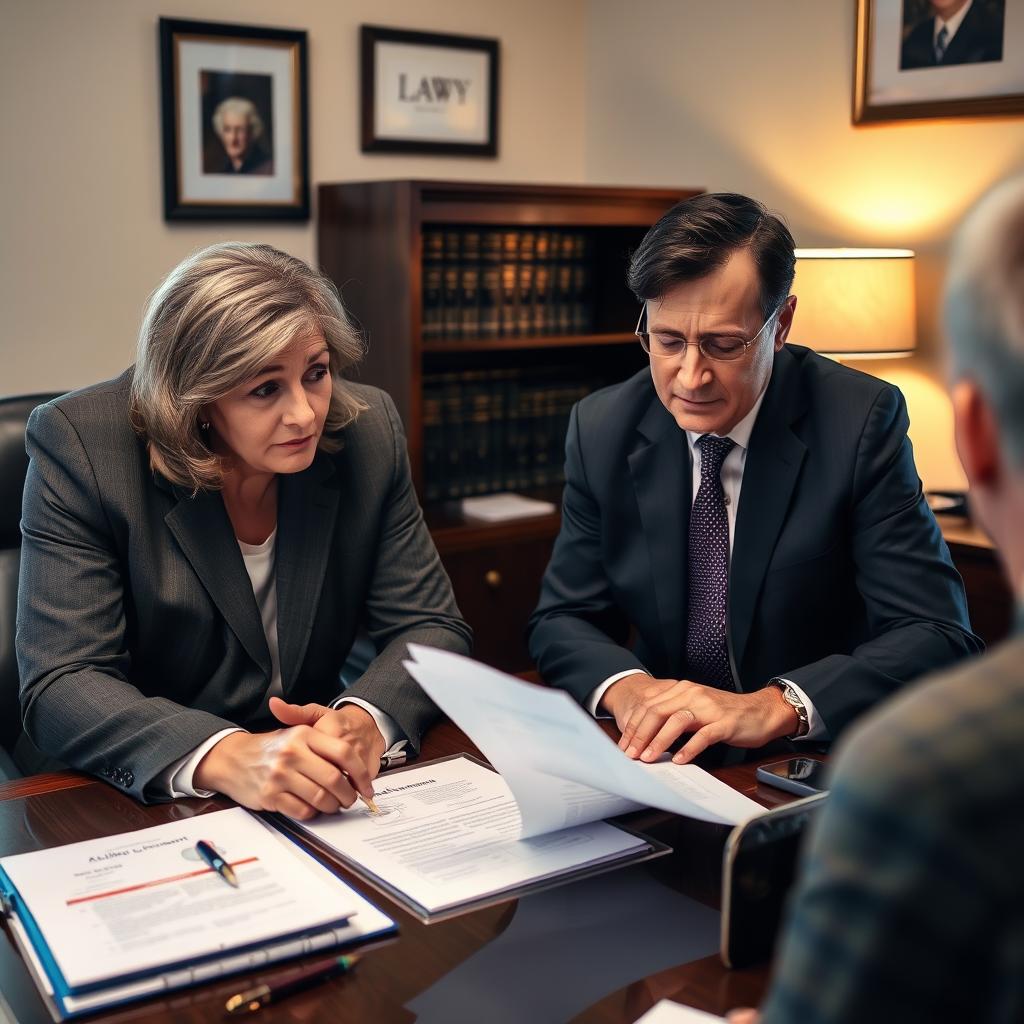
Alimony Lawyer New Kent County, VA
You are going through a divorce in New Kent County and your spouse is seeking spousal support. Or maybe you have been paying alimony for years and a job loss makes the payments unsustainable. Perhaps your former spouse has stopped paying and you need the court to enforce the order. At Law Offices Of SRIS, P.C., Mr. Sris and his Of Counsel team represent clients in all types of alimony disputes in New Kent County, Virginia. We handle initial spousal support determinations, modifications, and enforcement actions from start to finish. To speak with an attorney about your situation, call (888) 437-7747. Law Offices Of SRIS, P.C. – Advocacy Without Borders.
How We Approach Alimony Cases in New Kent County
Every alimony case turns on the specific financial picture of the marriage and the post-divorce circumstances of each spouse. Virginia law sets out thirteen factors that a judge must consider when deciding whether to award spousal support and, if so, how much and for how long. Our role is to present your financial story clearly—using bank records, tax returns, pay stubs, and testimony—so the judge understands what is fair.
We begin by reviewing the marital standard of living, the length of the marriage, each spouse’s earning capacity, and any contributions one spouse made to the other’s career or education. For a supporting spouse, we build a case that the requested amount is beyond what is reasonable or that support should be time-limited. For a spouse seeking support, we demonstrate the need and the other spouse’s ability to pay. Where fault grounds such as adultery or cruelty are at issue, we explain how those facts may affect the court’s spousal support analysis under Virginia law.
What to Expect When Alimony Is at Issue
Alimony is often resolved as part of the overall equitable distribution settlement, but it can also be litigated at a separate hearing. In New Kent County, the Circuit Court at 12001 Courthouse Circle handles all divorce and spousal support matters. Mr. Sris and his Of Counsel are familiar with the court’s procedures and the expectations of the bench. Early in the case, either spouse may request pendente lite support—temporary support while the divorce is pending. We prepare and argue those motions promptly so that you have financial stability during the litigation.
If the case goes to trial, the judge will weigh the statutory factors and issue an order. Alimony awards can be fixed in amount and duration, or they can be indefinite in certain circumstances. After a final order is entered, life changes—job loss, remarriage, retirement, or a substantial change in either spouse’s financial condition—may justify a modification. We also handle contempt and enforcement actions when a former spouse refuses to comply with a support order.
Understanding Virginia’s Spousal Support Laws
Virginia is not a formula-driven state for alimony. The court has broad discretion under Va. Code § 20‑107.1, guided by factors such as each spouse’s age, health, earning capacity, the duration of the marriage, the standard of living during the marriage, and the contributions each spouse made to the family’s well‑being. Fault can affect the award; for example, a spouse who committed adultery is barred from receiving permanent spousal support unless the court finds that a denial would be manifestly unjust.
Spousal support may be temporary, rehabilitative, or indefinite. Rehabilitative support is designed to help a spouse gain education or training to become self‑sufficient. Indefinite support is reserved for long marriages where a spouse cannot reasonably achieve self‑sufficiency due to age, health, or other special circumstances. Mr. Sris and his Of Counsel evaluate the facts of each case to determine what type and amount of support is likely to be ordered and develop a strategy accordingly. Results vary; prior outcomes do not guarantee a similar result
For a full statutory breakdown, see our comprehensive analysis on srislawyer.com.
About Mr. Sris and His Of Counsel Team
Mr. Sris, Owner and Founder of Law Offices Of SRIS, P.C., has practiced family law since 1997. He is admitted in Virginia, Maryland, the District of Columbia, New Jersey, and New York, and brings a former prosecutor’s insight to the preparation of every case. Mr. Sris testified before the Virginia House Courts of Justice Committee in support of 2019 HB 635 (chief patron Del. David Bulova).
Mr. Sris is supported by accomplished Of Counsel attorneys who concentrate their practice on family law matters, including complex spousal support disputes involving business valuations, executive compensation, and retirement assets. Together, Mr. Sris and his Of Counsel bring extensive combined legal experience. Results may vary.
Frequently Asked Questions
How is alimony determined in Virginia?
Virginia judges decide alimony by weighing 13 statutory factors under Va. Code § 20‑107.1, not by a mathematical formula. The factors include the duration of the marriage, the standard of living during the marriage, each spouse’s earning capacity, age and health, and contributions to the family’s well‑being. Fault, such as adultery or cruelty, can also influence the decision. The court has broad discretion, so presenting a clear and detailed financial picture is essential.
Can alimony be modified after the divorce?
Yes, alimony may be modified if there has been a material change in circumstances that was not anticipated at the time of the original order. Common grounds include a substantial involuntary loss of income, a serious illness or disability, remarriage of the receiving spouse, or retirement. Either spouse can file a motion to modify in the New Kent County Circuit Court. We represent clients on both sides of modification requests.
What happens if a former spouse stops paying alimony?
If a former spouse stops paying court‑ordered alimony, you can ask the court to hold them in contempt and enforce the order. The enforcement process may result in a judgment for the unpaid amounts, wage garnishment, a lien on property, or even jail time for willful non‑compliance. We help clients file show‑cause motions and pursue all available collection remedies.
How long does an alimony case take in New Kent County?
The timeline depends on whether the case settles or goes to trial, as well as the court’s calendar. Uncontested spousal support agreed upon in a separation agreement can be resolved in a matter of weeks as part of the final divorce decree. Contested cases involving discovery, depositions, and a trial may extend over several months. Pendente lite motions for temporary support are typically heard on a faster schedule.
Do I need a lawyer for an alimony dispute?
You are not required by law to hire a lawyer, but alimony decisions can have long‑term financial consequences, and experienced legal representation helps protect your interests. The statutory factors are complex, and the financial documents and testimony presented to the court can make the difference between an award that is fair and one that burdens you for years. An attorney can also negotiate a settlement that avoids the uncertainty of trial.
What should I bring to an initial consultation about alimony?
Bring recent pay stubs, tax returns for the last two to three years, bank and investment account statements, a list of monthly living expenses, and any existing separation agreement or court orders. If you are the supporting spouse, documentation of your income and assets is critical. If you are seeking support, be prepared to discuss your financial needs and any special circumstances such as health issues or a need for additional education or training. To schedule a consultation, call (888) 437-7747.
Speak With an Alimony Lawyer Serving New Kent County
We are ready to review your situation and explain your options. Call (888) 437-7747 to request a consultation. We serve clients throughout New Kent County from our Richmond Location at 7400 Beaufont Springs Drive, Suite 300, Room 395, Richmond, VA 23225. By appointment only.
Primary Sources for Virginia Family Law
Virginia Code Title 20 (Domestic Relations) |
New Kent County Circuit Court
Attorney advertising. Prior results do not guarantee a similar outcome. Results may vary. Case results depend on a variety of factors unique to each case. Attorney responsible for this advertising: Mr. Sris.