
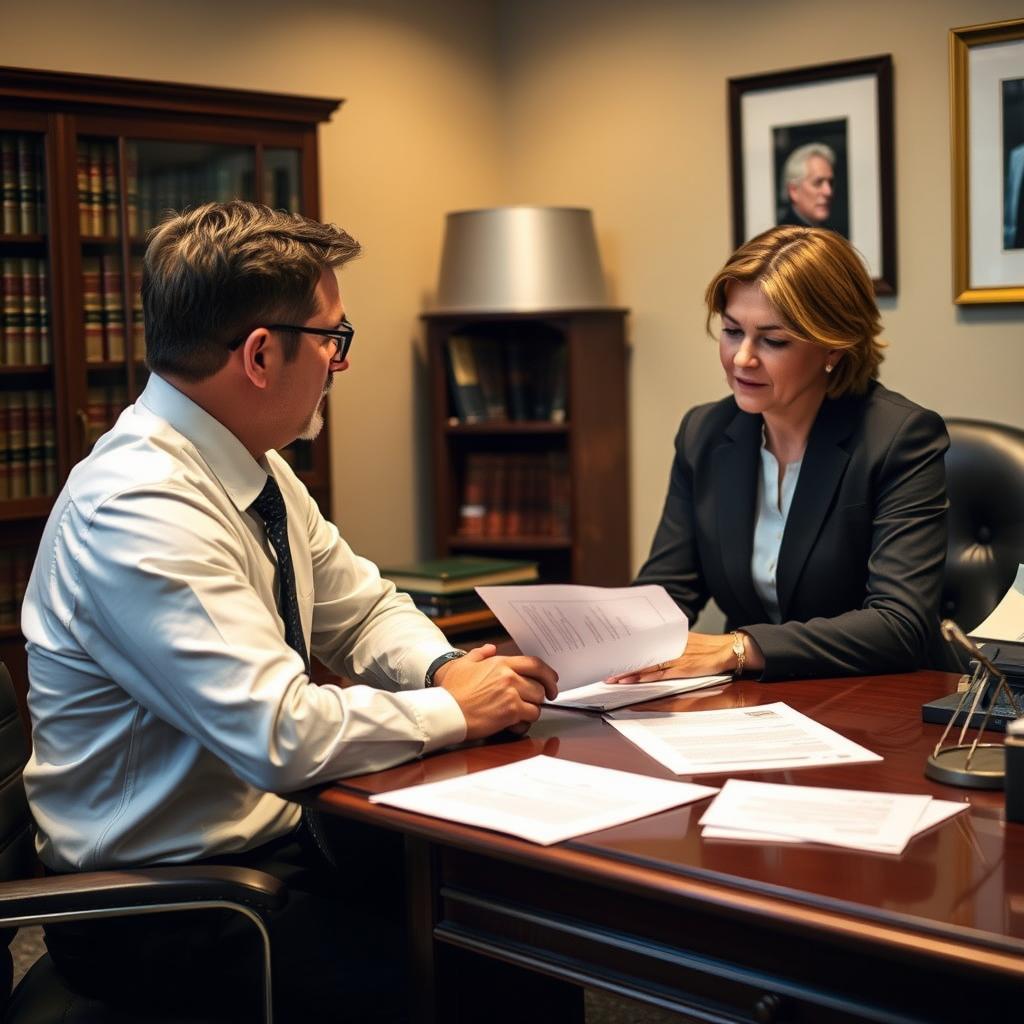
Alimony Modification Lawyer Dinwiddie County, VA
Dinwiddie County residents seeking to adjust a spousal support obligation turn to the Virginia courts for relief when financial circumstances have substantially changed since the original support order. Alimony modification—sometimes called spousal support modification—is a post-divorce process handled primarily by the Dinwiddie County Circuit Court, which exercises jurisdiction over equitable distribution and support matters. Law Offices Of SRIS, P.C. represents clients throughout Dinwiddie County, including Dinwiddie and McKenney, in alimony modification proceedings. Whether you are the party paying support and experiencing an involuntary income reduction or the recipient who needs an increase due to a change in need, Mr. Sris and his Of Counsel bring the right experience to evaluate your situation under Virginia law. Reach Law Offices Of SRIS, P.C. at (888) 437-7747 to schedule a consultation. Law Offices Of SRIS, P.C. – Advocacy Without Borders.
What Alimony Modification Means in Dinwiddie County
In Virginia, spousal support is not permanently frozen once ordered. Va. Code § 20-109 authorizes the court to modify support upon a showing of a material change in circumstances that was not contemplated at the time of the original order. The Dinwiddie County Circuit Court, located at the Dinwiddie Courthouse, handles modification petitions that arise from divorce judgments. Separate support orders entered by the Juvenile and Domestic Relations District Court can also be modified, and that court may address enforcement issues when a paying spouse fails to comply.
The analysis centers on the factors listed in Va. Code § 20-107.1, the same framework used when support was first determined. The court examines the needs of the recipient, the ability of the paying spouse to provide support, the duration of the marriage, and the standard of living established during the marriage, among other considerations. A modification is not automatic; the party seeking the change must present evidence of the new circumstances. Common grounds for modification include a significant involuntary job loss, a disability that affects earning capacity, a substantial increase in the recipient’s income, or a change in the recipient’s living situation, such as cohabitation that reduces financial need. Because the court has broad discretion, the quality of the evidence and the legal argument presented can shape the outcome. Mr. Sris and his Of Counsel are familiar with the expectations of the Dinwiddie County bench and guide clients through each step of the modification process.
How Mr. Sris and His Of Counsel Handle Alimony Modification Cases
When a client contacts the firm about modifying alimony, the first step is a thorough review of the existing support order, the divorce decree, and any separation agreement that may have been incorporated into the judgment. Virginia courts give substantial weight to the terms of a valid separation agreement, and modification may be limited if the agreement contains specific provisions prohibiting or restricting changes. The team examines whether the change in circumstances is genuinely material and whether it justifies a modification under the statutory factors.
Once the case is prepared, the appropriate motion is filed in the Dinwiddie County Circuit Court. If the modification is contested, the court holds a hearing where both sides present financial documentation, testimony, and arguments. Mr. Sris and his Of Counsel present evidence in a clear, organized manner, emphasizing the factors the court must consider. The process does not involve a jury; the judge makes the determination based on the evidence and the equities of the case. While every matter proceeds at its own pace, the team works to move the matter forward without unnecessary delay. The goal is to achieve an order that reflects the current financial reality of both parties, always mindful that the court’s primary concern is balancing the needs of the recipient against the payer’s ability to pay.
About Mr. Sris and His Of Counsel Team
Law Offices Of SRIS, P.C., founded in 1997, is led by Mr. Sris, Owner and Founder. Mr. Sris is a former prosecutor who practices across Virginia, Maryland, the District of Columbia, New Jersey, and New York. He testified before the Virginia House Courts of Justice Committee in support of 2019 HB 635 (chief patron Del. David Bulova). His background gives him an understanding of how courts weigh evidence and apply statutory factors—skills directly transferrable to alimony modification matters.
Mr. Sris and his Of Counsel bring extensive combined legal experience to family law matters. Results may vary. Each Of Counsel attorney is an experienced practitioner engaged through the firm, and the team collaborates on case strategy. For alimony modification in Dinwiddie County, Mr. Sris and his Of Counsel draw on their knowledge of Virginia’s equitable distribution system and the local court procedures to build a thorough presentation for the judge. To request a consultation, call (888) 437-7747.
Frequently Asked Questions
When can alimony be modified in Virginia?
Alimony can be modified when a material change in circumstances occurs that was not anticipated at the time of the original support order. Virginia Code § 20-109 sets the standard. Common examples include a substantial involuntary decrease in the paying spouse’s income, a permanent disability affecting earning ability, a significant increase in the recipient’s income, or the recipient’s cohabitation in a marriage-like relationship that reduces financial need. The party seeking modification must file a motion in the Circuit Court that issued the original support order. The judge will examine the factors in Va. Code § 20-107.1 to decide whether a change is warranted and, if so, the amount of support. For guidance on your specific situation, reach Law Offices Of SRIS, P.C. at (888) 437-7747.
What constitutes a material change in circumstances for alimony modification?
A material change is a significant, lasting alteration in the financial situation or living arrangement of either party that was not considered when support was set. Virginia courts look for a change that is substantial and likely to continue, not a temporary fluctuation. An involuntary job loss with diligent but unsuccessful attempts to find comparable work may qualify, while a voluntary career change that reduces income generally does not. A substantial inheritance received by the recipient, a serious medical condition that prevents the paying spouse from working, or full-time cohabitation of the recipient with a new partner that lowers living expenses are changes courts frequently examine. The facts of each case determine whether the change meets the threshold. To discuss the details of your matter, contact Law Offices Of SRIS, P.C. at (888) 437-7747.
Do I need a lawyer for an alimony modification in Dinwiddie County?
You are not required to have a lawyer, but representing yourself can be challenging because modification hearings involve rules of evidence and detailed financial analysis. Dinwiddie County Circuit Court expects parties to present organized documentation, such as pay stubs, tax returns, medical records, and budgets. The opposing party will likely be represented, and the judge relies on the evidence presented. An experienced attorney can help you gather the right information, frame the argument under the statutory factors, and avoid procedural missteps that could delay or weaken your case. For a consultation, reach Mr. Sris and his Of Counsel at (888) 437-7747.
How does the court decide whether to increase or decrease alimony?
The court applies the same factors used to set the original support under Va. Code § 20-107.1, including the needs of the recipient, the ability of the paying spouse to provide support, and the standard of living during the marriage. The judge determines whether the facts show a material change, then weighs the evidence to arrive at a support amount that is fair under current circumstances. The court may increase, decrease, or terminate support altogether. The discretion is broad, so presenting clear, credible financial evidence is critical. The written separation agreement, if any, also plays a role; some agreements limit modification to specific events. Mr. Sris and his Of Counsel can explain how the factors apply to your situation during a consultation. Call (888) 437-7747.
What should I do if my ex-spouse has stopped paying alimony?
If your former spouse has stopped paying court-ordered alimony, you can file a rule to show cause in the Dinwiddie County court that issued the support order. The filing asks the judge to hold the non-paying party in contempt. The court may order the payor to pay the arrearages, and the judge has the power to impose sanctions, including a judgment for back support, attorney fees, or even jail time in extreme cases. The Juvenile and Domestic Relations District Court can hear enforcement matters, but if the support order is part of a Circuit Court divorce decree, the enforcement action typically proceeds there. Prompt action is important because arrearages can accumulate. Contact Law Offices Of SRIS, P.C. at (888) 437-7747 to discuss enforcement options.
How do I find an alimony modification lawyer in Dinwiddie County?
Start by looking for a family law attorney who regularly practices in the Dinwiddie County Circuit Court and understands Virginia’s spousal support statutes. You can research lawyers online, read reviews, and check their familiarity with the local judges and court procedures. Many attorneys, including Mr. Sris and his Of Counsel, offer an initial consultation where you can describe your situation and learn how the law applies. During the consultation, ask about the attorney’s approach to modification cases, how they prepare financial evidence, and what you can expect during the process. To schedule a consultation with Law Offices Of SRIS, P.C., call (888) 437-7747.
Additional official resources provide further information on Virginia spousal support law: Virginia Code Title 20 (Domestic Relations); Dinwiddie County Combined Court; and Virginia Court System.
Attorney advertising. Prior results do not guarantee a similar outcome. Results may vary. Law Offices Of SRIS, P.C. All rights reserved.
Case results depend on a variety of factors unique to each case.