
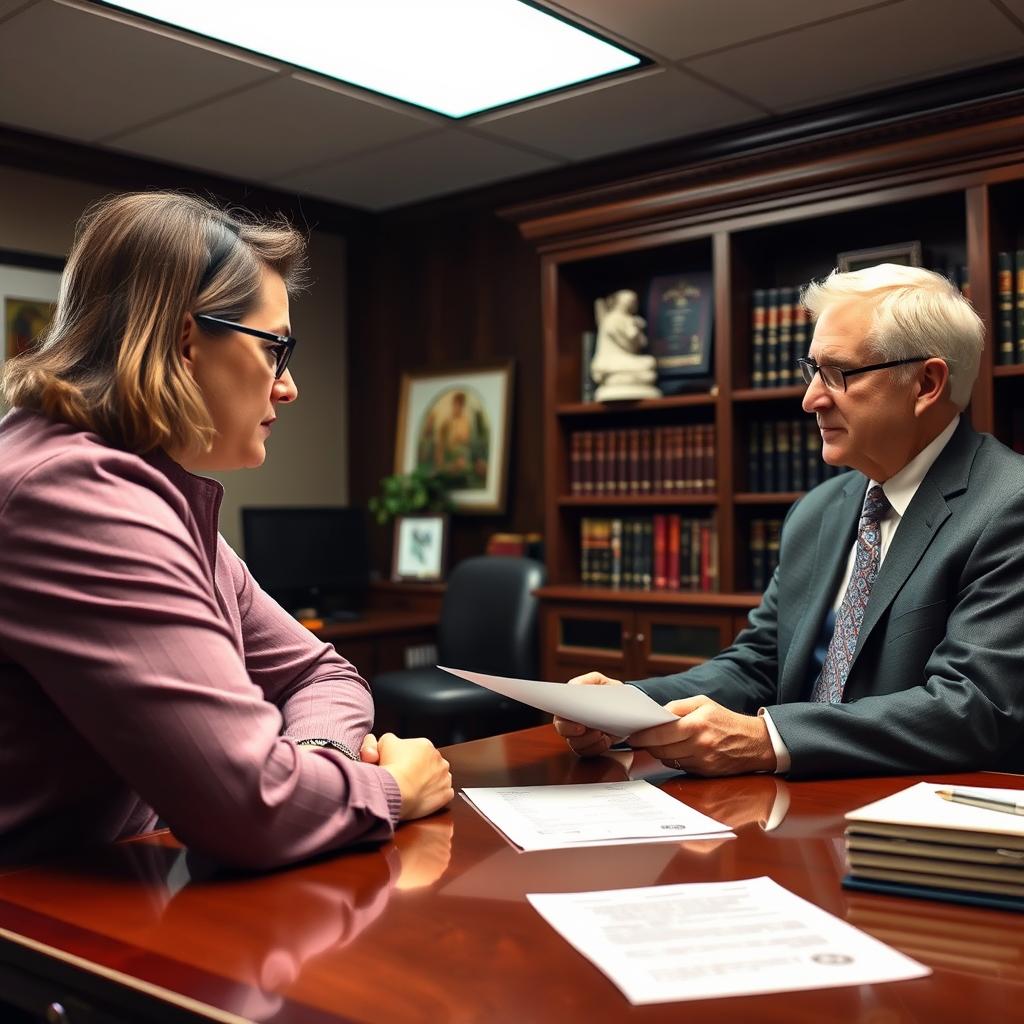
Catholic Annulment Lawyer Augusta County — Understanding the Religious Annulment Process
A Catholic annulment in Augusta County is a religious declaration that a marriage was invalid from its start, distinct from a civil divorce. The process involves a detailed petition to a diocesan tribunal. Law Offices Of SRIS, P.C. provides guidance on gathering evidence and handling this sensitive religious annulment process.
Last verified: April 2026 | Augusta County General District Court | Virginia General Assembly
In Virginia, a Catholic annulment (or declaration of nullity) is governed by Canon Law, the legal system of the Catholic Church, and is separate from the civil divorce process handled by Augusta County Circuit Court under statutes like Va. Code § 20-91. An annulment examines whether the marriage bond was sacramentally valid according to Church doctrine at the time vows were exchanged. Successfully obtaining an annulment can allow individuals to remarry within the Catholic Church. The process is detailed and requires specific evidence to support grounds like lack of due discretion, incapacity to assume marital obligations, or fraud.
Mr. Sris, founder of Law Offices Of SRIS, P.C., brings a background that includes personally amending Virginia family law statutes, providing a deep understanding of legal procedures that can inform the parallel religious process.
Official Legal Resources
For the civil divorce statutes that often run concurrently with an annulment petition, refer to the Virginia Code on Divorce (Title 20, Chapter 6). Local procedures for related family law matters are managed by the Augusta County Circuit Court.
The Annulment Process in Augusta County
The religious annulment process lawyer Augusta County residents may consult with typically begins with contacting the local Diocese, often the Diocese of Richmond. The petitioner submits a formal application detailing the grounds for nullity. The tribunal then appoints an advocate for the petitioner, a defender of the bond, and may call witnesses. The entire process can take 12 to 18 months or longer. A key local procedural fact is that while the Augusta County Circuit Court handles the civil divorce, the Catholic annulment is a separate, non-legal proceeding that does not affect civil marital status or property rights determined under Virginia’s equitable distribution laws.
- Consult with your parish priest or the diocesan tribunal to discuss potential grounds.
- Complete the formal petition or “libellus” provided by the tribunal.
- Gather supporting documents, including marriage certificate, baptismal records, and civil divorce decrees.
- Submit written testimonies from witnesses who can speak to the marriage’s validity.
- Participate in tribunal interviews if requested.
- Await the tribunal’s decision, which can be appealed by either party.
Potential Outcomes and Considerations
In Augusta County, a Catholic annulment is a religious decree with no direct civil penalties or fines, but it requires meticulous documentation and patience throughout the tribunal’s investigation.
The outcome is a decree of nullity from the Church, which has no bearing on child custody, support, or property division—those matters are settled separately in civil court.
Experience in Family and Religious Law Matters
Law Offices Of SRIS, P.C. was founded in 1997 by former prosecutor Mr. Sris. With over 120 years of combined attorney experience and more than 4,739 case results firm-wide, our team understands the intersection of sensitive family law issues. Mr. Sris personally played a role in amending Virginia’s equitable distribution statute (Va. Code § 20-107.3), demonstrating a commitment to the intricacies of family law that can provide valuable perspective for clients handling parallel religious procedures.
Samantha Rae Powers, Associate Attorney at Law Offices Of SRIS, P.C. — Licensed in VA, FL. Experienced family law and civil litigator. View Samantha Rae Powers’s Profile
Documented Case Results
In Augusta County, our firm has a documented record of achieving favorable outcomes in family law-related matters. We have secured reductions in charges and favorable resolutions for clients. For example, we have successfully had reckless driving charges reduced to improper driving in Augusta County General District Court.
Results may vary. Prior results do not guarantee a similar outcome.
These results demonstrate our active practice and familiarity with Augusta County courts.
Augusta County Catholic Annulment Legal Help
Our Shenandoah/Woodstock location serves clients in Augusta County. We are accessible via I-81 and Route 11. If you need a church annulment lawyer Augusta County residents trust for guidance, contact us for a confidential discussion about your situation.
Service Areas: Staunton, Waynesboro, Fishersville, Stuarts Draft, Verona, Churchville, and throughout Augusta County.
Availability: 24/7 phone consultations — meetings by appointment only.
Law Offices Of SRIS, P.C. — Shenandoah/Woodstock
505 N Main St #103, Woodstock, VA 22664
Toll-Free: (888) 437-7747 | Local: (804)201-9009
By appointment only.
Frequently Asked Questions
What is the difference between a divorce and a Catholic annulment?
A divorce legally ends a valid marriage. A Catholic annulment is a religious declaration that a sacramental marriage was invalid from the beginning due to specific grounds like lack of consent or capacity.
Do I need a civil divorce before seeking a Catholic annulment in Virginia?
It depends. The Catholic Church typically requires the civil divorce to be finalized before the annulment process can be completed, as the civil decree establishes the legal separation. However, you can begin gathering information and consulting with your parish priest beforehand.
How long does the Catholic annulment process take in Augusta County?
The process often takes between 12 to 18 months, but complex cases can take longer. The timeline depends on the diocese’s tribunal schedule, the complexity of the case, and how quickly required documents and testimonies are gathered.
Can I remarry in the Catholic Church if my annulment is granted?
Yes. If the diocesan tribunal grants a decree of nullity and there are no further appeals, you are free to marry in the Catholic Church, provided you meet all other Church requirements for marriage.
What are common grounds for a Catholic annulment?
Common grounds include lack of due discretion (not understanding the marriage commitment), incapacity to fulfill marital obligations, fraud or deceit, and refusal to have children. The specific grounds must be proven with evidence to the tribunal.