
Estate Planning Lawyer in Cortland County, NY
Estate planning in Cortland County, New York, involves making decisions today about your assets, health care, and the people you trust to carry out your wishes. Law Offices Of SRIS, P.C., founded in 1997, assists individuals and families throughout Central New York with wills, trusts, powers of attorney, and related matters. The firm’s Cortland County location serves clients from Cortland, Homer, McGraw, and surrounding communities. Whether you need a straightforward will or a plan that addresses blended-family dynamics, Mr. Sris and his Of Counsel team provide experienced, multi-state guidance. To speak with an attorney about your estate planning goals, reach Law Offices Of SRIS, P.C. at (888) 437-7747. Law Offices Of SRIS, P.C. – Advocacy Without Borders.
What Estate Planning Means in Cortland County
Estate planning in Cortland County involves preparing legal documents that manage your affairs during your lifetime and distribute your property after you pass away. Because New York law governs the validity of wills, trusts, and health care directives, any plan must comply with the New York Estates, Powers and Trusts Law and, for probate matters, the Surrogate’s Court Procedure Act. Cortland County’s Surrogate’s Court, located in the Cortland County Courthouse, handles probate of wills, administration of estates, and guardianship proceedings for minors. Mr. Sris and his Of Counsel are familiar with the procedures in Cortland County and appear before the Surrogate’s Court regularly.
Beyond the basic documents, a well-designed estate plan addresses long-term care concerns, potential incapacity, and the practical realities of transferring property in Central New York. For example, owning real estate in Cortland County or nearby Cayuga or Tompkins counties often requires specific titling and beneficiary-designation strategies to avoid unnecessary probate. The firm’s attorneys discuss your family structure, financial goals, and any unique circumstances—such as a family business or a beneficiary with special needs—to design a plan that reflects your priorities.
How Mr. Sris and His Of Counsel Handle Estate Planning Cases
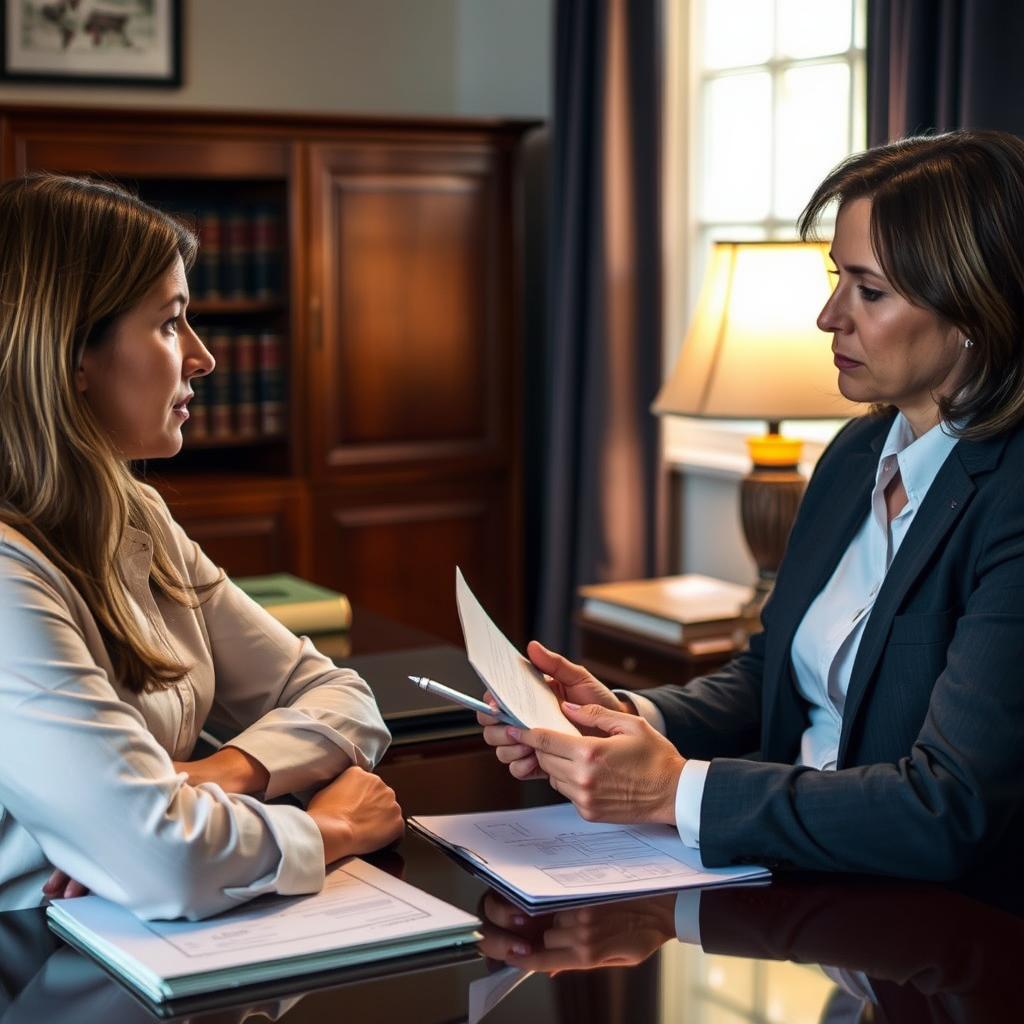
When you contact Law Offices Of SRIS, P.C., the process begins with a consultation where the attorney listens to your objectives and explains the options available under New York law. The firm’s approach is to provide a clear roadmap rather than pushing a one-size-fits-all package. Based on your situation, a plan may include a last will and testament, a revocable living trust, a durable power of attorney, a health care proxy, and a living will. Each document serves a distinct purpose, and the attorney explains how they work together.
After the initial meeting, the firm prepares draft documents for your review. Because New York has specific execution formalities—such as the requirement that a will be signed in the presence of two disinterested witnesses—Mr. Sris and his Of Counsel guide you through the signing process to help ensure the documents meet statutory requirements. The firm also advises on funding a trust, updating beneficiary designations, and periodically reviewing the plan as your life circumstances change. Throughout the engagement, the focus remains on providing practical, personalized counsel without unnecessary complexity.
About Mr. Sris and His Of Counsel Team
Mr. Sris, Owner and Founder of Law Offices Of SRIS, P.C., has been practicing law since 1997. He is admitted in New York, Virginia, Maryland, the District of Columbia, and New Jersey. A former prosecutor, Mr. Sris brings a broad litigation background to transactional planning, which can be valuable when estate disputes arise. He testified before the Virginia House Courts of Justice Committee in support of 2019 HB 635 (chief patron Del. David Bulova).
The firm’s Of Counsel attorneys—independent practitioners who collaborate with Mr. Sris on client matters—bring their own experience to estate planning. Together, Mr. Sris and his Of Counsel serve families across Central New York from the firm’s Cortland location. Every client receives the attention of an experienced team that stays current on developments in New York trusts and estates law.
Frequently Asked Questions About Estate Planning in Cortland County
Do I need a lawyer to create a will in New York?
You are not legally required to hire an attorney to draft a will, but a lawyer can help ensure the document meets New York’s statutory formalities and accurately reflects your intentions. New York law permits holographic (handwritten) wills only in very narrow circumstances. A will that does not comply with the execution requirements in the Estates, Powers and Trusts Law may be deemed invalid, leaving your estate to be distributed according to New York’s intestacy statutes. Working with an attorney reduces the risk of a successful challenge and helps you coordinate the will with other parts of your estate plan.
What is probate, and how does it work in Cortland County?
Probate is the court process through which a deceased person’s will is validated and their assets are distributed under court supervision. In Cortland County, probate is handled by the Surrogate’s Court. The executor named in the will files the original will and a petition for probate. Once the court issues letters testamentary, the executor can collect the decedent’s assets, pay debts and taxes, and distribute the remaining property to the beneficiaries. The timeline varies based on the complexity of the estate and the court’s calendar.
What is the difference between a will and a trust?
A will takes effect only after you pass away and must go through probate, while a trust can take effect during your lifetime and may avoid probate. With a revocable living trust, you transfer assets into the trust while you are alive. The trustee you designate manages those assets for your benefit and, after your death, distributes them to your beneficiaries without court involvement. Trusts can also offer privacy because, unlike a will, a trust is generally not a public record. Both tools have a place in a comprehensive estate plan, and an attorney can help you decide which approach fits your situation.
What happens if I die without a will in New York?
If you die without a valid will, New York’s intestacy laws determine who receives your property. The state’s statutory formula generally distributes assets to your closest surviving relatives—first your spouse and children, then parents, and then siblings. Intestacy laws do not account for your personal relationships or charitable intentions. For example, a domestic partner who is not legally married may receive nothing unless other planning steps were taken. Creating a will allows you to direct your property to the people and organizations you choose.
Can I change my estate plan later?
Yes, an estate plan should be reviewed periodically and updated when your circumstances change. Life events such as marriage, divorce, the birth of a child, a move to a new state, or a significant change in your financial situation may warrant revisions. A will can be amended with a codicil or replaced entirely by executing a new will. Trusts can be amended if they are revocable. To ensure any changes are legally effective, you should work with an attorney to execute the updated documents with the same formalities required for the originals.
How do I get started with estate planning in Cortland County?
The first step is to schedule a consultation with an attorney who can evaluate your individual needs. To discuss your estate planning goals with Mr. Sris and his Of Counsel, reach Law Offices Of SRIS, P.C. at (888) 437-7747.
Related pages:
Probate Lawyer in Cortland County ·
Trusts Attorney in Cortland County ·
Guardianship Lawyer in Cortland County ·
Estate Planning Lawyer in Syracuse
Official New York resources (open in a new window):
Cortland County Surrogate’s Court ·
New York Estates, Powers and Trusts Law ·
New York State Unified Court System
The firm’s principal office is located in Cortland, New York. The firm serves clients throughout Central New York, including Cortland County and surrounding communities. Cortland is approximately 150 miles from Buffalo, New York. The firm also maintains offices in other jurisdictions and offers virtual consultations where permitted.
Attorney advertising. Prior results do not guarantee a similar outcome. Case results depend on a variety of factors unique to each case. This page is not legal advice. Law Offices Of SRIS, P.C., by appointment only: 46 Greenbush Street, Suite 301, Cortland, NY 13045. Reach us at (888) 437-7747. © 1997–2026 Law Offices Of SRIS, P.C. All rights reserved.