
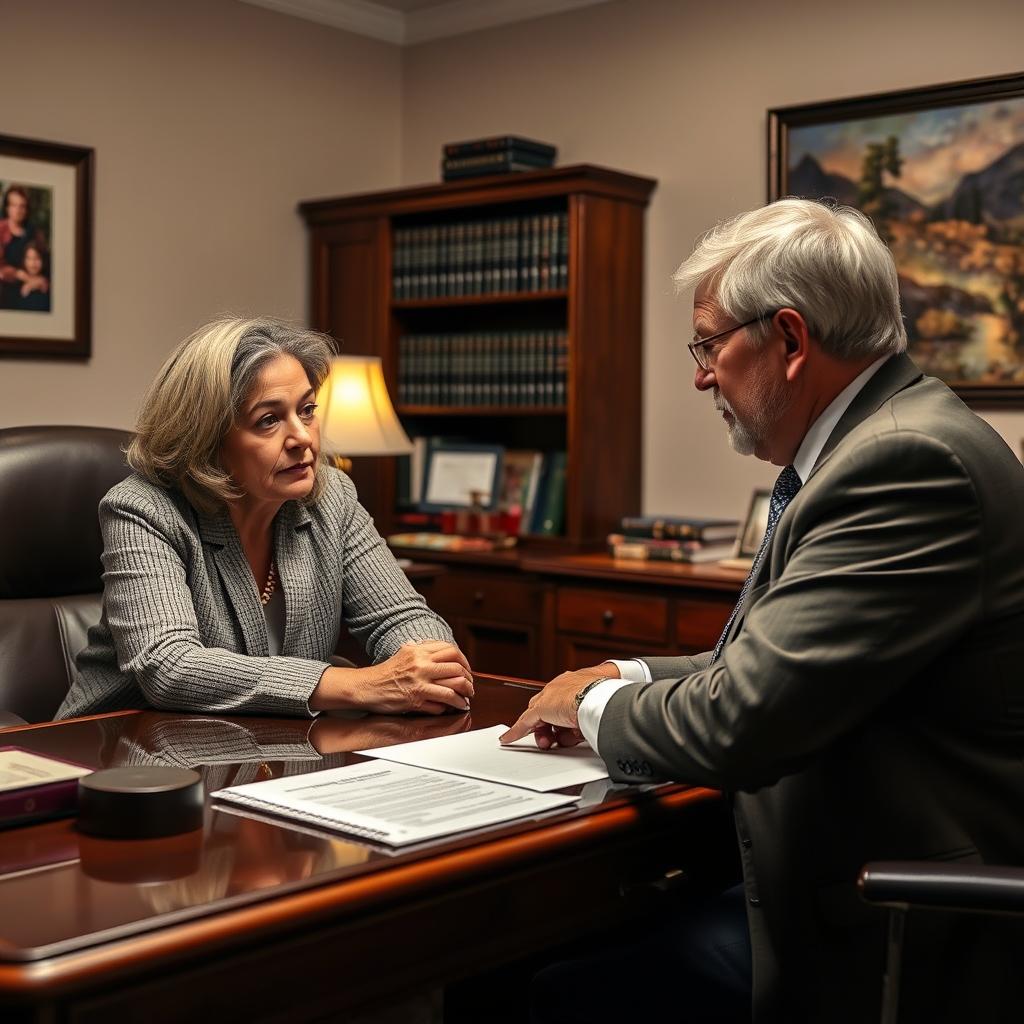
Guardianship Lawyer Fluvanna County, VA
When a family member in Fluvanna County—whether a minor child, an aging parent, or an adult with diminished capacity—needs a court‑appointed legal guardian, the process can feel overwhelming. Virginia law sets out specific requirements for establishing a guardianship, and the proceedings move through the Fluvanna County Circuit Court or the Fluvanna County Juvenile and Domestic Relations District Court, depending on the age and circumstances of the person who needs protection. At Law Offices Of SRIS, P.C., Mr. Sris and his Of Counsel team assist individuals and families with guardianship petitions, contested guardianship hearings, and ongoing guardian responsibilities. They help clients navigate the statutory framework under Va. Code § 64.2‑2000 et seq., which governs the appointment of guardians and conservators in the Commonwealth. The firm, founded in 1997, has served clients across Virginia, Maryland, the District of Columbia, New Jersey, and New York. If you are considering a guardianship for a loved one in Palmyra, Fork Union, Lake Monticello, or elsewhere in Fluvanna County, reach Law Offices Of SRIS, P.C. at (888) 437‑7747 to request a consultation. Law Offices Of SRIS, P.C. – Advocacy Without Borders.
What Guardianship Means in Fluvanna County, Virginia
Guardianship is a legal relationship in which a Virginia court appoints a responsible person or entity to make personal decisions for another individual who is unable to care for themselves or manage their affairs. In Fluvanna County, the type of guardianship sought depends on whether the ward is a minor or an incapacitated adult. For minors, the Fluvanna County Juvenile and Domestic Relations District Court typically handles petitions for guardianship, often in connection with custody and support matters. For adults who are alleged to be incapacitated, the Fluvanna County Circuit Court has jurisdiction. The two courts are located at 72 Main Street, Suite B, Palmyra, VA 22963. The statutory authority for both types of guardianship is Va. Code § 64.2‑2000 et seq., which sets out the procedures for petitioning, notice, hearing, and the ongoing duties of the guardian.
Virginia law distinguishes between a guardian of the person—who makes decisions about health care, living arrangements, and daily welfare—and a conservator of the estate—who manages financial affairs and property. A court may appoint one person to serve in both roles, or it may divide the responsibilities. The standard the court applies is the “best interests” of the ward for minors and a “least restrictive alternative” analysis for adults. The court also considers whether a less restrictive option, such as a power of attorney or supported decision‑making, might be adequate before imposing a full guardianship. Mr. Sris and his Of Counsel work with families to identify the most appropriate legal mechanism and to prepare the necessary pleadings and evidence for a guardianship hearing in Fluvanna County.
How Mr. Sris and His Of Counsel Handle Guardianship Cases
Mr. Sris and his Of Counsel approach each guardianship matter by first assessing the specific needs of the family and the proposed ward. In cases involving an adult, the attorney will obtain the required medical or psychological evaluations and any reports from social workers or care providers, which are necessary to demonstrate incapacity under the Virginia standard. For minor guardianships, the focus shifts to parental incapacity or the unavailability of a parent, and the petition must show that the guardianship serves the child’s best interests. The team prepares the petition for filing in the appropriate Fluvanna County court, ensures that all interested parties receive proper notice, and represents the petitioner at the hearing.
Guardianship proceedings are often uncontested when all family members agree, but disputes can arise. In contested cases, Mr. Sris and his Of Counsel present evidence, examine witnesses, and advocate for the proposed guardian or for the ward’s interests as the court may direct. They also handle post‑appointment issues, such as modifications of the guardianship, accountings by a conservator, or petitions to terminate or replace a guardian. Throughout the process, the team maintains communication with the client, explains court procedures, and works to protect the ward’s well‑being while respecting the family’s dynamics. The firm’s multi‑state experience often proves valuable when a ward or proposed guardian resides outside Virginia, requiring careful coordination with courts in other jurisdictions.
About Mr. Sris and His Of Counsel Team
Mr. Sris, Owner and Founder of Law Offices Of SRIS, P.C., began his legal career as a former prosecutor. That experience gave him firsthand understanding of courtroom procedure and evidence, which he now applies in complex family law matters, including guardianship cases. He is admitted to practice in Virginia, Maryland, the District of Columbia, New Jersey, and New York, and has been representing clients in the Commonwealth since 1997. Mr. Sris testified before the Virginia House Courts of Justice Committee in support of 2019 HB 635 (chief patron Del. David Bulova).
Mr. Sris and his Of Counsel bring extensive combined legal experience to guardianship work. The Of Counsel attorneys who contribute to family law matters have backgrounds in litigation, child welfare, and elder law, which enhance the firm’s ability to handle the personal and financial dimensions of a guardianship. Clients receive coordinated attention from the lead attorney and the supporting Of Counsel, ensuring that every aspect of the case—from drafting the petition to navigating a contested hearing—is addressed. Results may vary. To speak with a member of the team about a guardianship in Fluvanna County, call (888) 437‑7747.
Frequently Asked Questions
What is guardianship in Virginia?
Guardianship in Virginia is a court‑appointed legal relationship in which a responsible adult or entity makes personal decisions for a minor or an incapacitated adult who cannot care for themselves. The process is governed by Va. Code § 64.2‑2000 et seq. A guardian of the person handles healthcare, living arrangements, and daily welfare, while a conservator manages financial affairs. The court may appoint one person as both guardian and conservator, or it may separate the roles. A guardianship limits the ward’s legal autonomy, so Virginia courts apply a stricter standard for adults, requiring clear and convincing evidence that the person lacks capacity and that no less restrictive alternative is available. For minors, the standard is the best interests of the child. The court retains ongoing supervision and may modify or terminate the guardianship if circumstances change.
How is a guardian appointed in Fluvanna County?
A guardian is appointed by the Fluvanna County Circuit Court or the Fluvanna County Juvenile and Domestic Relations District Court after a petition is filed, notice is given to interested parties, and a hearing is held. The petitioner—often a family member—submits a formal petition to the appropriate court along with any required evaluations. For an adult guardianship, a physician’s or psychologist’s report detailing the alleged incapacity must accompany the petition. The court may also appoint a guardian ad litem to represent the ward’s interests. At the hearing, the judge reviews the evidence, hears testimony, and determines whether the statutory requirements are met. If the court grants the petition, it issues an order of appointment that defines the guardian’s powers and duties. The guardian must then file an acceptance and, in some cases, post a bond determined by the court based on the estate’s value.
What is the difference between guardianship and conservatorship in Virginia?
In Virginia, a guardian makes personal decisions for the ward, while a conservator manages the ward’s financial affairs and property. Both roles are created by court order under Va. Code § 64.2‑2000 et seq. A guardian of the person may consent to medical treatment, decide where the ward lives, and arrange for daily care. A conservator of the estate takes control of the ward’s assets, pays bills, manages investments, and files annual accountings with the commissioner of accounts. The court may appoint the same individual to serve in both capacities, or it may appoint different people if it finds that splitting the responsibilities is in the ward’s best interests. This distinction is important because a guardianship petition for an adult must separately request the appointment of a guardian, a conservator, or both, and the evidence required for each may differ.
Do I need a lawyer for a guardianship petition in Fluvanna County?
You are not legally required to have a lawyer to file a guardianship petition in Fluvanna County, but legal guidance can help you avoid procedural missteps and protect the ward’s interests. The statutory requirements for notice, medical evidence, and hearing presentation are detailed, and errors can delay or derail the proceeding. An experienced guardianship attorney can prepare the petition correctly, gather the necessary documentation, and present the case effectively to the court. In contested matters, representation becomes even more critical because the opposing side will likely have counsel. Mr. Sris and his Of Counsel have handled guardianship matters throughout Virginia and can explain the process, advise on the likelihood of success, and advocate for the proposed guardian or for the ward’s position at every stage.
How long does a guardianship proceeding take in Fluvanna County?
The timeline for a guardianship proceeding in Fluvanna County depends on the court’s calendar, the complexity of the case, and whether the matter is contested or uncontested. An uncontested petition with complete documentation can move from filing to hearing in a matter of weeks, but if additional evaluations are required or if a guardian ad litem needs time to investigate, the process may take several months. Contested guardianship cases, in which family members disagree about the need for a guardian or the choice of guardian, can extend significantly longer. Emergency guardianship petitions, which are available when the ward faces immediate risk, may be heard on an expedited basis. Because each case is unique, the firm can provide a more specific estimate after reviewing the facts of your situation.
Can a guardianship be challenged or modified after it is granted?
Yes, a Virginia guardianship can be challenged, modified, or terminated by petitioning the court that issued the original order if circumstances change or if the guardian is not acting in the ward’s best interests. Any interested person, including the ward, may file a motion to modify or terminate the guardianship. The court will hold a hearing and consider whether the ward’s condition has improved, whether the guardian has breached their duties, or whether a less restrictive alternative now exists. Guardians and conservators are also subject to ongoing court supervision; for example, a conservator must file regular accountings, and a guardian may be required to submit annual reports. Mr. Sris and his Of Counsel represent clients in post‑appointment proceedings, whether they are seeking to uphold the existing arrangement or to seek a change that better serves the ward.
Related Family Law Pages:
Family Law Lawyer Fairfax County, VA |
Family Law Lawyer Prince William County, VA |
Family Law Lawyer Fairfax City, VA |
Family Law Lawyer Manassas, VA |
Family Law Lawyer Falls Church, VA
Virginia Law & Court Resources:
Va. Code Title 64.2, Chapter 20 – Guardianship and Conservatorship |
Virginia Judicial System |
Virginia Circuit Courts – Guardianship Information
Attorney advertising. Prior results do not guarantee a similar outcome. Results may vary.
Case results depend on a variety of factors unique to each case.