
Kinship Guardianship Lawyer Rappahannock County, VA
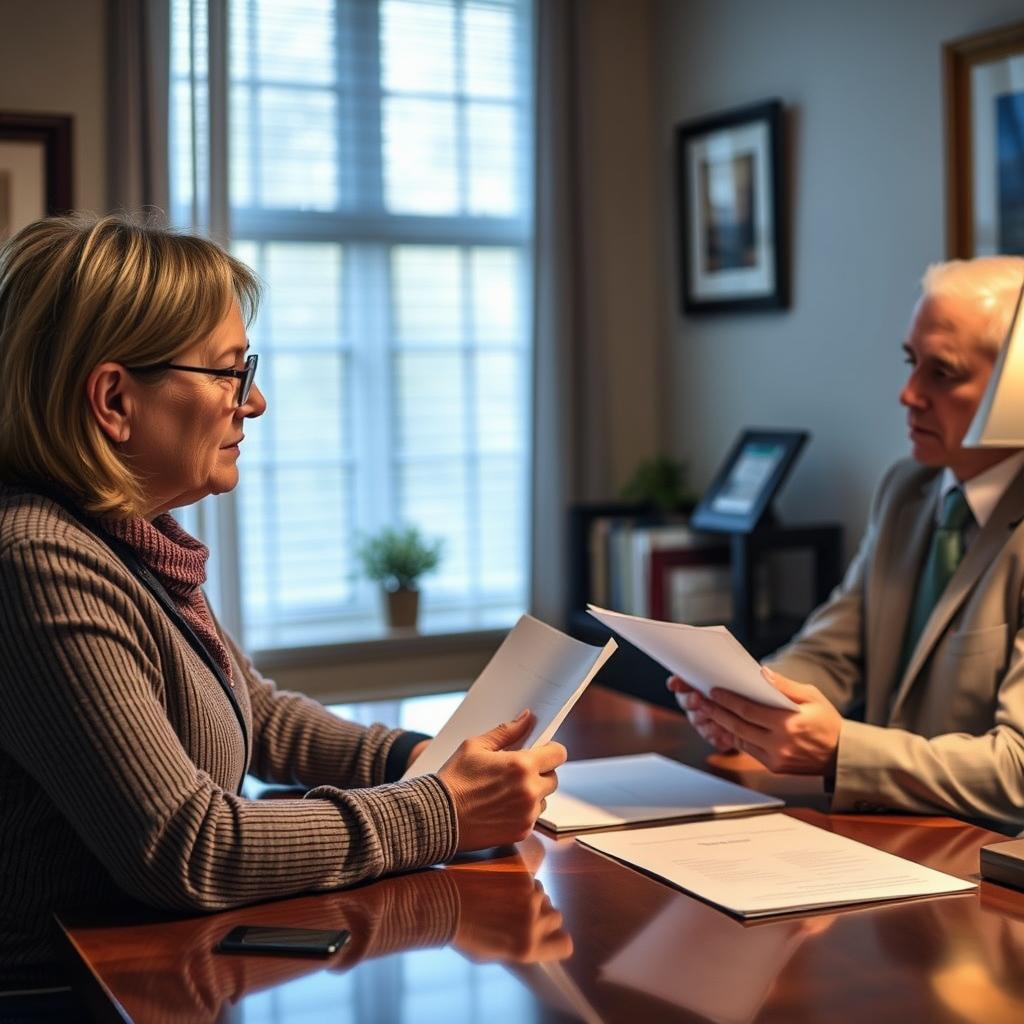
When a child’s parents are unable to provide care, a relative such as a grandparent, aunt, or uncle often steps forward. Virginia law allows these family members to seek legal custody through a kinship guardianship. The court process in Rappahannock County involves the Juvenile and Domestic Relations Court or the Circuit Court—depending on the circumstances of the case. Law Offices Of SRIS, P.C. helps relatives navigate the procedures, prepare required documentation, and present the matter before the court. Mr. Sris and his Of Counsel bring extensive combined legal experience to guardianship matters. Reach our location at (888) 437-7747 to schedule a consultation. Law Offices Of SRIS, P.C. – Advocacy Without Borders.
What Kinship Guardianship Means in Rappahannock County, Virginia
Kinship guardianship is a legal arrangement under Va. Code § 64.2-2000 et seq. That places a child with a relative when the child’s parents cannot fulfill their parental responsibilities. Unlike adoption, kinship guardianship does not permanently sever the parents’ rights; instead, it grants the relative the authority to make day‑to‑day decisions about the child’s welfare, education, and medical care while preserving the parents’ right to seek modification or termination of the guardianship in the future.
In Rappahannock County, petitions for kinship guardianship are typically heard in the Rappahannock County Juvenile and Domestic Relations District Court, which handles custody, visitation, and support matters involving children. If the guardianship arises in the context of a divorce or equitable‑distribution dispute already pending in the Rappahannock County Circuit Court, that court may also address the guardianship. The presiding court examines what arrangement serves the best interests of the child, considering factors such as the child’s relationship with the proposed guardian, the stability of the home environment, and the parents’ ability to adequately care for the child.
Rappahannock County’s rural character and close‑knit communities—Washington, Sperryville, and Flint Hill—often mean that extended family plays a visible role in children’s lives, and judges are familiar with multi‑generational caregiving arrangements. Our Fairfax Location represents clients throughout the county and regularly appears in the local courts. We help families present a clear, evidence‑based case that demonstrates the kinship placement is in the child’s best interest, addressing any concerns the court may raise about parental consent, background clearances, or home‑study reports.
How Mr. Sris and His Of Counsel Handle Kinship Guardianship Cases
Every kinship guardianship matter begins with a thorough review of the family’s situation. Mr. Sris and his Of Counsel meet with the relative seeking guardianship—or, when appropriate, with a parent opposing the petition—to understand the facts and identify the legal grounds that support the desired outcome. We then gather the documentation the court expects: affidavits from relatives and community members, medical and school records, and any prior custody or protective‑order orders from other courts. Our team also works with independent professionals as needed for home evaluations or psychological assessments, ensuring the petition is supported by objective evidence.
Once the petition is prepared, we file it with the appropriate Rappahannock County court and ensure that all necessary parties receive proper notice. At the hearing, Mr. Sris and his Of Counsel present the evidence in a straightforward manner, focusing on the factors the court considers under Virginia law. If the parents consent to the guardianship, the process can be streamlined; if they contest it, we are prepared to advocate vigorously at trial. Throughout the matter, we keep our clients informed about what to expect, explain procedural steps, and work toward a resolution that protects the child’s welfare while respecting the rights of all family members.
About Mr. Sris and His Of Counsel Team
Mr. Sris, Owner and Founder of Law Offices Of SRIS, P.C., is a former prosecutor who has practiced law since 1997. He is admitted in Virginia, Maryland, the District of Columbia, New Jersey, and New York. Mr. Sris testified before the Virginia House Courts of Justice Committee in support of 2019 HB 635 (chief patron Del. David Bulova). His depth of courtroom experience informs the firm’s approach to family law matters.
Working alongside Mr. Sris is a team of Of Counsel attorneys who bring extensive collective knowledge in family law, child custody, and domestic relations. India is not a signatory to the 1980 Hague Convention on Civil Aspects of International Child Abduction. Together, Mr. Sris and his Of Counsel have handled a wide range of family law cases across Northern Virginia, including Rappahannock County. Our firm has documented case results in Rappahannock County, reflecting a strong track record of achieving favorable outcomes for clients. Results may vary. In any particular matter. Mr. Sris and his Of Counsel bring extensive combined legal experience, and they approach each case with a commitment to thorough preparation and clear communication.
Frequently Asked Questions
What is kinship guardianship in Virginia?
Kinship guardianship is a court‑ordered arrangement that grants a relative legal custody of a child when the child’s parents are unable to provide adequate care. In Virginia, this type of guardianship is governed by Va. Code § 64.2‑2000 et seq. It allows a grandparent, aunt, uncle, or other close family member to make decisions about the child’s residence, education, and medical treatment. Unlike adoption, kinship guardianship does not terminate the parents’ rights permanently, and the guardianship can be modified or dissolved if circumstances change. The court’s primary concern is the child’s best interests, and the judge will examine the proposed guardian’s ability to provide a safe, stable home.
Who can file for kinship guardianship in Rappahannock County?
A relative who has a close relationship with the child and who is able to provide a stable home may petition the Rappahannock County Juvenile and Domestic Relations Court for guardianship. Grandparents, aunts, uncles, and adult siblings are the most common petitioners. The petitioner must demonstrate that the child’s parents are currently unable—due to illness, substance abuse, incarceration, or other serious reasons—to meet the child’s needs. In some cases, both parents may consent to the guardianship, which can simplify the process. The court will also consider whether the child has been living with the relative and the length of that arrangement.
What does the court consider when granting kinship guardianship?
The court focuses on the best interests of the child, evaluating factors such as the child’s relationship with the proposed guardian, the guardian’s ability to provide for the child’s physical and emotional needs, and any history of abuse or neglect. The judge reviews evidence of the parent’s incapacity, the stability of the guardian’s home, and the child’s own preferences if the child is of sufficient age and maturity. The court may also order a home study or background investigation. While Virginia law does not list a rigid checklist, the court weighs all relevant information to determine whether the guardianship will promote the child’s welfare and facilitate a continuing relationship with the parents when it is safe to do so.
Do I need a lawyer for a kinship guardianship case?
While no statute requires a lawyer, having an experienced attorney can significantly improve the likelihood that your petition is properly prepared and that the relevant facts are effectively presented to the court. Kinship guardianship cases involve legal standards, procedural rules, and evidentiary requirements that can be challenging to handle on one’s own. Mr. Sris and his Of Counsel know the Rappahannock County courts and the practices of the judges and court staff. We help clients gather the necessary documentation, draft a petition that clearly states the legal grounds, and advocate at the hearing. For a consultation, reach Mr. Sris and his Of Counsel at (888) 437-7747.
How long does a kinship guardianship case take in Rappahannock County?
The timeline varies depending on the court’s schedule, the complexity of the case, and whether the parents contest the petition. An uncontested guardianship may move through the system more quickly, while a contested matter can take longer as the parties exchange evidence and the court holds one or more hearings. Rappahannock County’s courts calendar hearings based on judicial availability, and rural dockets can sometimes accommodate earlier dates. Mr. Sris and his Of Counsel work to move the case forward efficiently while ensuring every procedural step is handled correctly. To discuss the specifics of your situation, contact Law Offices Of SRIS, P.C. at (888) 437-7747.
Also visit our related family law pages: Fairfax County Family Law, Fairfax City Family Law, Falls Church Family Law, Prince William County Family Law, and Manassas Family Law.
Authoritative Virginia legal resources: Virginia Judicial System and Virginia Code.
Attorney advertising. Prior results do not guarantee a similar outcome. Case results depend on a variety of factors unique to each case. Results may vary.