
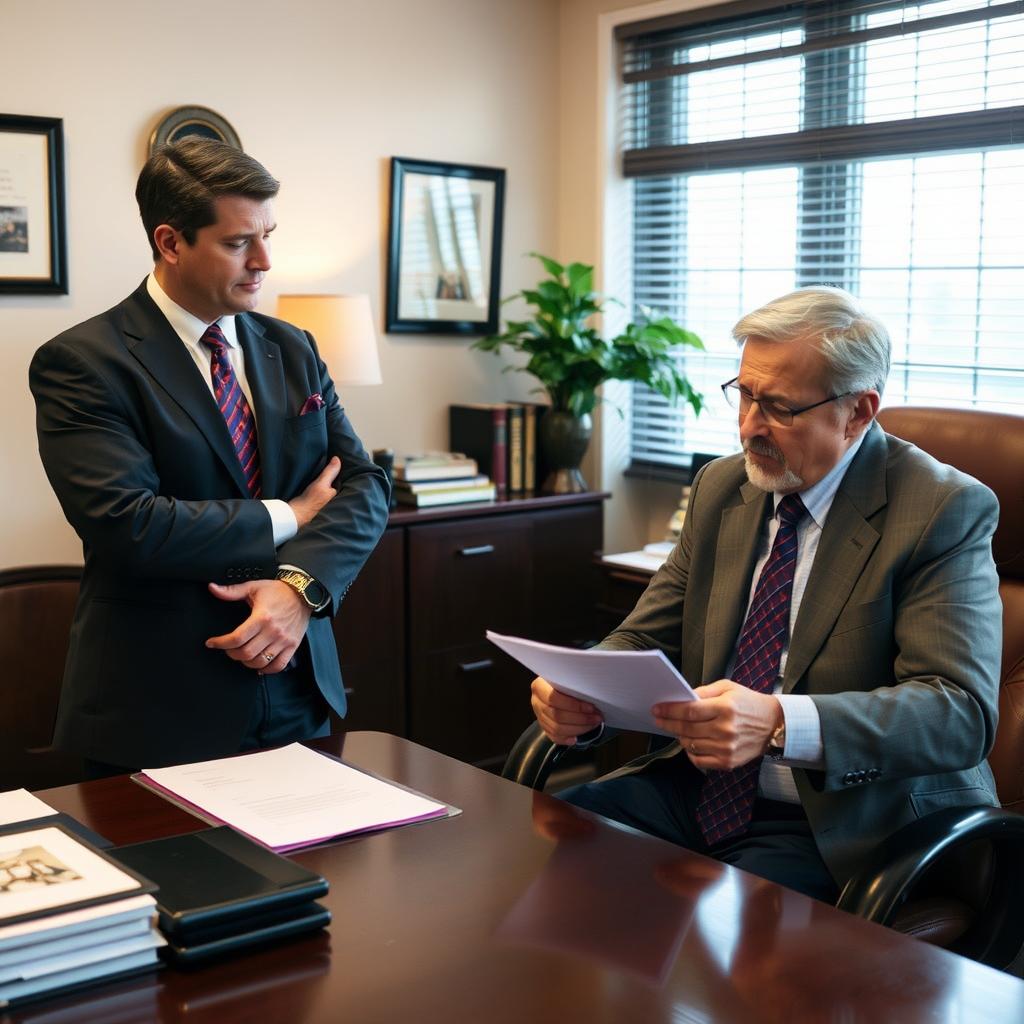
Cortland County Estate Planning Lawyer
Estate planning is a practical way to protect what you have built and provide clarity for your family. In Cortland County, New York, the process involves carefully drafted documents that speak for you when you cannot speak for yourself, and that direct your assets according to your wishes. Law Offices Of SRIS, P.C. Concentrates its practice on estate planning and related matters for individuals and families throughout Central New York, including Surrogate’s Court proceedings in Cortland County. Mr. Sris and the firm’s Of Counsel attorneys bring extensive combined legal experience to these matters, taking the time to understand each client’s goals and to craft a plan that fits the client’s circumstances. To discuss your estate planning needs, reach our location at (888) 437-7747. Law Offices Of SRIS, P.C. – Advocacy Without Borders.
What Estate Planning Means in Cortland County
Estate planning in Cortland County involves a coordinated set of legal instruments designed to manage your property during your lifetime and distribute it after your death. The primary venue for estate administration is the Cortland County Surrogate’s Court, which handles probate of wills, administration of estates, and certain trust matters. Because New York law is heavily statutory, the terms and execution of your documents must comply with the New York Estates, Powers and Trusts Law (EPTL). Even a small drafting error can cause a document to be contested or rejected, leaving your estate to be distributed under the state’s default intestacy scheme.
For residents of Cortland County, the process often begins with a conversation about your family structure, your financial assets, and your long-term objectives. Tools like a last will and testament, revocable living trust, durable power of attorney, health care proxy, and living will each serve distinct purposes under New York statute. Cortland County’s agricultural and small-business community presents its own planning considerations—farm succession plans, closely held business transfer, and the use of trusts to preserve property for future generations—that a general-knowledge document service may not address. The firm’s approach integrates these local realities into a comprehensive plan that reflects both your values and the applicable legal requirements.
How Mr. Sris and His Of Counsel Handle Estate Planning Cases
When you engage Law Offices Of SRIS, P.C. for estate planning, the process starts with a thorough fact‑gathering session. We review your asset inventory, beneficiary designations, and family dynamics to identify potential issues—such as beneficiary-creditor exposure, tax considerations, or special-needs planning—that may require tailored solutions. Mr. Sris and his Of Counsel then explain the available tools, from simple wills to more complex trust structures, in plain language so you can make informed decisions.
After the plan is designed, the firm prepares the necessary documents and oversees their proper execution under New York law. For many clients, this includes a durable power of attorney and health care proxy that name individuals to make financial and medical decisions on your behalf if you become incapacitated. Because no document can anticipate every future change, the firm recommends periodic reviews—often every few years or upon major life events—to ensure your plan remains current. Should a family member need to probate a will or administer a trust later, the firm also appears in the Cortland County Surrogate’s Court to guide the personal representative or trustee through the procedural steps required by the EPTL and the Surrogate’s Court Procedure Act. Throughout, the focus remains on achieving your stated goals while minimizing the burden on those you leave behind.
About Mr. Sris and the Firm’s Of Counsel Attorneys
Mr. Sris is the Owner and Founder of Law Offices Of SRIS, P.C. He has been practicing since 1997 and is admitted in New York, Virginia, Maryland, the District of Columbia, and New Jersey. As a former prosecutor, he brings a practical, problem‑solving perspective to estate planning, approaching each matter with the same attention to detail and client‑focused advocacy that he applies in every area of the firm’s multi‑state practice. Mr. Sris testified before the Virginia House Courts of Justice Committee in support of 2019 HB 635 (chief patron Del. David Bulova), and he remains committed to clear, client‑centered legal service.
The firm’s Of Counsel attorneys provide additional experience in trust and estate matters, collaborating with Mr. Sris to address both the technical drafting requirements and the human dimensions of estate planning. Together, the team works to create documents that are legally sound and that reflect each client’s personal wishes. Whether the matter involves a simple will or a multi‑generational transfer plan, the client benefits from the combined perspective of attorneys who have handled a broad range of estate planning issues. To arrange a consultation about your estate planning goals in Cortland County, contact Law Offices Of SRIS, P.C. at (888) 437-7747.
Frequently Asked Questions
What is the difference between a will and a trust in New York estate planning?
A will takes effect only after death and must be probated in the Surrogate’s Court, while a revocable living trust can operate during your lifetime and avoid probate. A will allows you to name a guardian for minor children and to specify how your property should be distributed; the court oversees the process. A trust, once funded, can manage assets for your benefit if you become incapacitated and then distribute them to beneficiaries privately after your death, without court involvement. Both instruments have distinct advantages, and many New York estate plans use them together to achieve comprehensive coverage.
Do I need a lawyer to create an estate plan in Cortland County, or can I use online forms?
You are not legally required to hire a lawyer, but professional guidance helps ensure your documents comply with New York law and your plan works as intended. Online form services generally cannot account for county‑specific Surrogate’s Court practices, the interplay between multiple documents, or the unique dynamics of your family and finances. A lawyer can also spot issues—such as potential tax implications or beneficiary‑creditor exposure—that a fill‑in‑the‑blank form may miss. If a do‑it‑yourself document fails to satisfy EPTL execution requirements, your estate could face unnecessary expense and delay.
How often should I update my estate plan?
A review every few years and after major life events is a sound practice. Major life events include marriage, divorce, the birth or adoption of a child, a significant change in assets, or a move to another state. The laws themselves may change, and updating your documents helps keep your plan aligned with current law and your personal situation. For New York residents, periodic review is especially important because the state’s estate tax exemption differs from the federal exemption, and a misaligned plan can trigger unintended tax consequences.
What happens if I die without a will in Cortland County?
New York’s intestacy statute determines who inherits your property, and the Surrogate’s Court appoints an administrator to oversee the estate. The statutory distribution scheme may not match your wishes—for example, a surviving spouse may not inherit everything if you have children from a prior relationship. The court process can also be more time‑consuming and costly than if you had a valid will. An estate plan gives you control over both the distribution of your assets and the person responsible for handling your affairs.
Can the Law Offices Of SRIS, P.C. assist with probate and trust administration in Cortland County?
Yes, the firm represents personal representatives, trustees, and beneficiaries in Surrogate’s Court proceedings. Probate involves proving the validity of a will and authorizing the executor to gather assets, pay debts, and distribute the remainder. Trust administration requires the trustee to follow the trust’s terms while observing fiduciary duties. These processes can raise technical questions about creditor claims, asset valuation, and accountings. Mr. Sris and his Of Counsel appear in the Cortland County Surrogate’s Court to guide fiduciaries through each procedural step.
Does the firm help with advance directives like a power of attorney and health care proxy?
Absolutely. A durable power of attorney and a health care proxy are key components of a modern estate plan. The power of attorney authorizes an agent to handle financial matters if you become unable to do so, while the health care proxy designates someone to make medical decisions on your behalf. In New York, these documents must satisfy specific statutory formalities to be valid. The firm drafts both instruments as part of a comprehensive plan, helping to ensure that your chosen agents have the authority they need when the time comes.
Related pages: Cortland County Surrogate’s Court Lawyer | Trust Administration Lawyer Cortland County | Probate Lawyer Cortland County | Estate Planning Lawyer
Attorney advertising. Prior results do not guarantee a similar outcome. Case results depend on a variety of factors unique to each case. Results may vary. Attorney responsible for this advertising: Mr. Sris. Law Offices Of SRIS, P.C. maintains a location in Cortland, New York. The Cortland office is approximately 150 miles from Buffalo, New York. By appointment only: 46 Greenbush Street, Suite 301, Cortland, NY 13045. Reach our location at (888) 437-7747.