
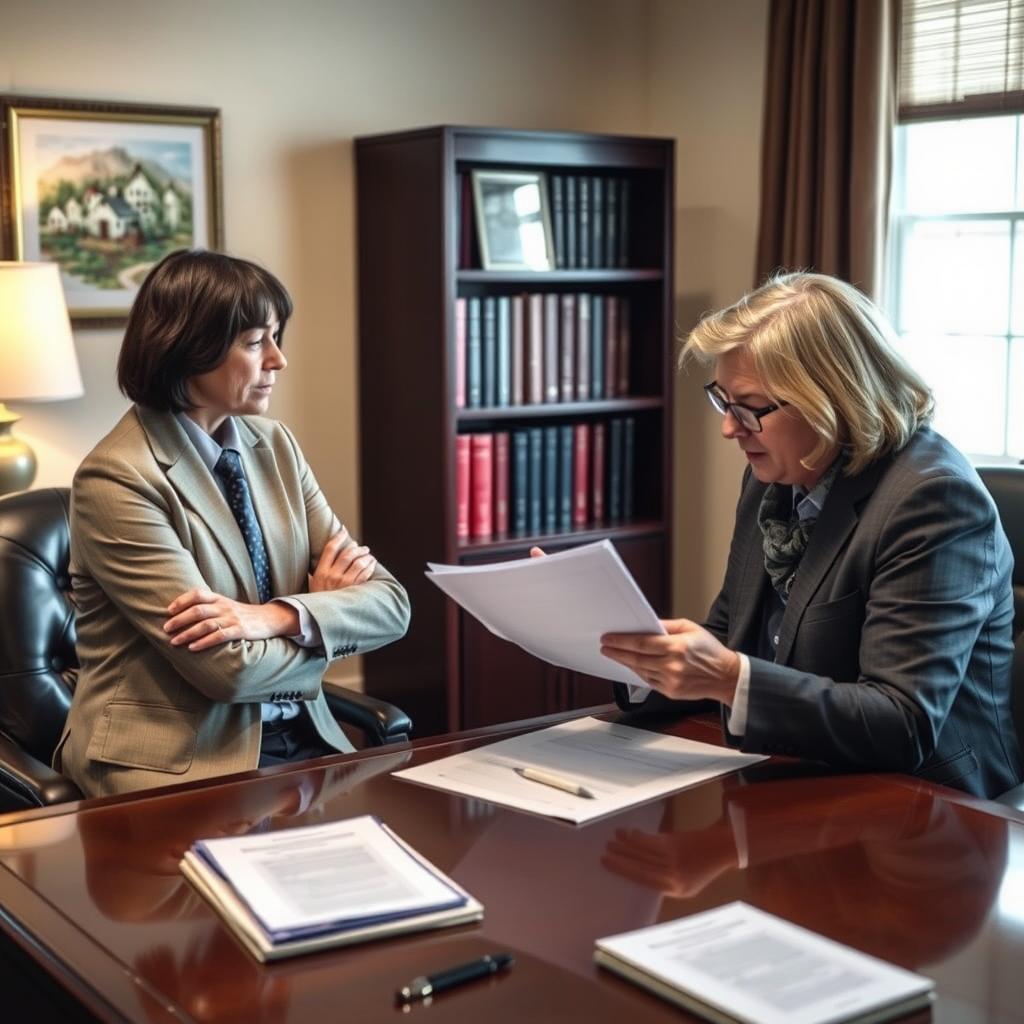
Parenting Schedule Lawyer Rappahannock County, VA
You and your co‑parent live in Rappahannock County and you need a parenting schedule that works for your child. The two of you may not agree on every detail, and you are searching for a framework that a Virginia court will approve — one that gives your child consistency while recognizing each parent’s role. Whether you are working out an initial schedule during a divorce, a custody modification, or a paternity action, the process unfolds in the Rappahannock County Juvenile and Domestic Relations District Court or the Rappahannock County Circuit Court, depending on your posture. At Law Offices Of SRIS, P.C., Mr. Sris and his Of Counsel help parents craft parenting schedules that focus on the child’s best interests and comply with Virginia’s equitable‑distribution and best‑interests framework. The firm has represented families throughout Rappahannock County and the surrounding Shenandoah region since 1997. For guidance on your parenting schedule matter, call (888) 437‑7747 to schedule a consultation. Law Offices Of SRIS, P.C. – Advocacy Without Borders.
What a Parenting Schedule Means in Rappahannock County
A parenting schedule in Rappahannock County is the written plan that spells out when each parent has the child — including weekdays, weekends, holidays, and school breaks — and who has legal custody authority over major decisions. In Virginia, a parenting schedule is part of the broader custody determination governed by Virginia Code § 20‑124.3, which requires the court to consider ten statutory factors aimed at the best interests of the child. Because Rappahannock County is a rural community where schools, extended family, and community ties play an important role, the schedule often needs to accommodate travel distances between home, school, and activities that can stretch across Washington, Sperryville, Flint Hill, and beyond.
When parents cannot agree, the Rappahannock County Juvenile and Domestic Relations District Court hears standalone custody and visitation disputes, while the Rappahannock County Circuit Court handles custody claims within a divorce proceeding. Both courts operate out of the courthouse at 250 Gay Street, Suite 1, Washington, VA 22747. Virginia law does not prescribe a one‑size‑fits‑all schedule; instead, the judge weighs factors such as each parent’s relationship with the child, the child’s needs, each parent’s willingness to support the other parent’s relationship, and any history of abuse. The court also considers the child’s age, health, and preference if the child is of suitable maturity. Recognizing how these factors apply to a family in Rappahannock County — where work and school schedules may involve longer commutes — helps shape a practical plan that can be sustained over time.
How Mr. Sris and His Of Counsel Handle Parenting Schedule Cases
Mr. Sris and his Of Counsel approach each parenting schedule matter by first understanding the family’s unique circumstances. The team reviews the parents’ work schedules, the child’s school calendar and extracurricular commitments, and any concerns about communication or safety. They then work with the client to build a proposed schedule that is specific, predictable, and consistent with Virginia’s best‑interests standard. When parents are cooperative, a written separation agreement or a consent custody order — negotiated with the help of counsel — can resolve the schedule without a contested hearing.
When disputes arise, Mr. Sris and his Of Counsel prepare the case for court. In Rappahannock County, custody hearings are fact‑intensive and the judge often relies on home studies, guardian ad litem reports, and testimony from both parents. The firm’s attorneys present evidence that addresses the ten statutory factors, cross‑examine witnesses, and advocate for a schedule that protects the client’s parental rights while keeping the child’s well‑being at the center. If circumstances change — such as a parent’s relocation, a new job, or a child’s evolving needs — the firm also handles petitions to modify an existing schedule. Throughout the process, Mr. Sris and his Of Counsel guide clients on practical steps, such as maintaining a detailed parenting journal and avoiding conduct that could be viewed unfavorably by the court.
About Mr. Sris and His Of Counsel Team
Mr. Sris, Owner and Founder of Law Offices Of SRIS, P.C., is a former prosecutor who has practiced family law in Virginia since 1997. He regularly appears in Rappahannock County courts and works closely with his Of Counsel, who bring over 120 years of combined legal experience between them, with 4,739+ documented firm-wide results. Results may vary. The team’s background in litigation — grounded in Mr. Sris’s former prosecutor perspective — gives them insight into how evidence is evaluated, how credibility is assessed, and how judges make findings on the often‑contested issues that drive parenting schedule disputes. Mr. Sris is admitted in Virginia, Maryland, the District of Columbia, New Jersey, and New York.
Frequently Asked Questions
How is a parenting schedule determined in Rappahannock County, Virginia?
A parenting schedule is determined based on the best interests of the child, with the court weighing ten statutory factors under Virginia Code § 20‑124.3. The judge examines each parent’s relationship with the child, the child’s needs and preferences if age‑appropriate, each parent’s willingness to foster the other parent’s relationship, and any history of abuse. In Rappahannock County, the Juvenile and Domestic Relations District Court handles standalone custody matters, while the Circuit Court decides custody within a divorce. The schedule can be negotiated between parents or ordered after a contested hearing. Successful schedules tend to be specific about holidays, school breaks, and transportation, acknowledging the county’s rural geography. An experienced family law attorney can help present evidence on the statutory factors and advocate for a schedule that is both practical and protective of your parental role.
Do I need a lawyer to create a parenting schedule in Virginia?
You are not required to have a lawyer to create a parenting schedule in Virginia, but legal guidance helps ensure the schedule complies with Virginia law and protects your parental rights. Parents can draft a schedule themselves and submit it to the court as part of a separation agreement or consent order, but without legal review, the agreement may lack the detail needed to prevent future disputes. A lawyer can identify how the ten custody factors apply to your family, draft a schedule that covers disputes about holidays, medical decisions, and schooling, and help you avoid language that could be interpreted against you later. In Rappahannock County, the judge will evaluate the schedule for the child’s best interests; having counsel prepare the plan increases the likelihood it will be approved without modification.
What factors do Virginia courts consider when setting a parenting schedule?
Virginia courts consider ten statutory factors under Va. Code § 20‑124.3, all directed at the best interests of the child. These factors include the age and condition of the child and each parent, the relationship between the child and each parent, the child’s needs including relationships with siblings and extended family, the role each parent has played and will play in the child’s upbringing, each parent’s willingness to support the child’s relationship with the other parent, the child’s reasonable preference if mature enough, and any history of family abuse. The court also hears evidence on each parent’s work schedule, the child’s school and community ties, and any prior custody history. In Rappahannock County, the judge may order a home study or appoint a guardian ad litem to gather information before reaching a decision.
Can a parenting schedule be modified in Rappahannock County?
Yes, a parenting schedule can be modified if there has been a material change in circumstances and the modification serves the child’s best interests. Examples include a parent’s relocation, a change in a parent’s work schedule, a child’s evolving educational or health needs, or a parent’s demonstrated unwillingness to follow the existing schedule. To modify, a parent files a motion in the court that entered the original order — either the Rappahannock County Juvenile and Domestic Relations District Court or the Circuit Court. The court reviews evidence of the changed circumstances and applies the same ten‑factor best‑interests test. An attorney can help gather documentation, file the motion, and present the case so that the judge sees how the change benefits the child.
How long does it take to establish a parenting schedule in Rappahannock County?
The time to establish a parenting schedule varies depending on whether the parents agree and how busy the court’s docket is. When both parents sign a consent order, the schedule can be entered relatively quickly after filing the necessary documents. Contested cases, on the other hand, require discovery, possible home studies or guardian ad litem investigations, and a hearing — a process that can extend for months depending on court scheduling. In Rappahannock County, the judges’ calendar and the need for multiple witness dates can influence the timeline. An experienced family law attorney can help move the matter forward efficiently by preparing thorough paperwork and advocating for a prompt hearing.
For guidance on your specific situation, reach Law Offices Of SRIS, P.C. at (888) 437‑7747.
Related practice pages:
Family Law Lawyer Fairfax County · Family Law Lawyer Prince William County · Family Law Lawyer Manassas
Primary‑source authority:
Virginia Code Title 20 (Domestic Relations) · Rappahannock County Circuit Court
Attorney advertising. Prior results do not guarantee a similar outcome. Results may vary.
Case results depend on a variety of factors unique to each case.