
Parenting Schedule Lawyer York County, VA
You’re standing at the kitchen counter, staring at a calendar that’s more conflict than cooperation. The children started school in York County this month, and the pick‑up schedule that made sense over the summer no longer fits your work hours or the other parent’s new address in Seaford. The texts are getting sharper, and you’re worried that without a solid plan, every week will be another argument. You need a parenting schedule that protects your time with your children and gives everyone clarity—not a guessing game. Mr. Sris and his Of Counsel at Law Offices Of SRIS, P.C. have helped parents across York County—from Yorktown to Grafton, Tabb, and beyond—craft, modify, and enforce parenting schedules that keep the focus where it belongs: on the kids. Call (888) 437-7747 to discuss your situation. Law Offices Of SRIS, P.C. – Advocacy Without Borders.
Strategy Options for Parenting Schedules in York County
Resolving a parenting‑time dispute in York County doesn’t always require a courtroom battle. Several paths can lead to a schedule that works, and the one you choose often depends on how well you and the other parent can communicate. Mr. Sris and his Of Counsel walk through each option with you, explaining the pros and cons so you can decide what fits your family’s circumstances.
Mediation is a voluntary process available to York County parents who want to shape their own parenting plan. A neutral mediator—often a retired attorney or mental‑health professional familiar with Virginia law—helps both sides discuss concerns and brainstorm solutions. Mediation is private, less formal than court, and typically costs less than litigation. Even when emotions run high, many parents find that a few sessions produce a workable schedule they can both support. If an agreement is reached, the terms can be written into a consent order and submitted to the York County Juvenile and Domestic Relations District Court for approval.
When direct negotiation stalls but both parents remain open to settlement, collaborative law offers another route. Each parent hires a collaboratively trained attorney, and the group, sometimes supported by child attorney or financial attorneys, works through every detail of the schedule—holiday rotations, summer breaks, transportation exchanges—without threatening to go to court. The process encourages transparency and creative problem‑solving. If it succeeds, the resulting agreement is filed with the York County Circuit Court or the J&DR District Court, depending on whether a divorce is pending.
If agreement truly isn’t possible, litigation in the York County courts becomes necessary. A judge will decide the schedule after considering the statutory best‑interests factors. Mr. Sris and his Of Counsel prepare every case as if it will go to trial, even while continuing to pursue settlement opportunities, because a well‑prepared file often encourages the other side to negotiate more reasonably.
What to Expect When Establishing or Modifying a Parenting Schedule in York County
Whether you’re seeking a schedule for the first time or need to change an existing order, the process in York County follows a predictable path, though timelines vary with court scheduling and case complexity. Understanding the steps can reduce anxiety and help you gather the right information.
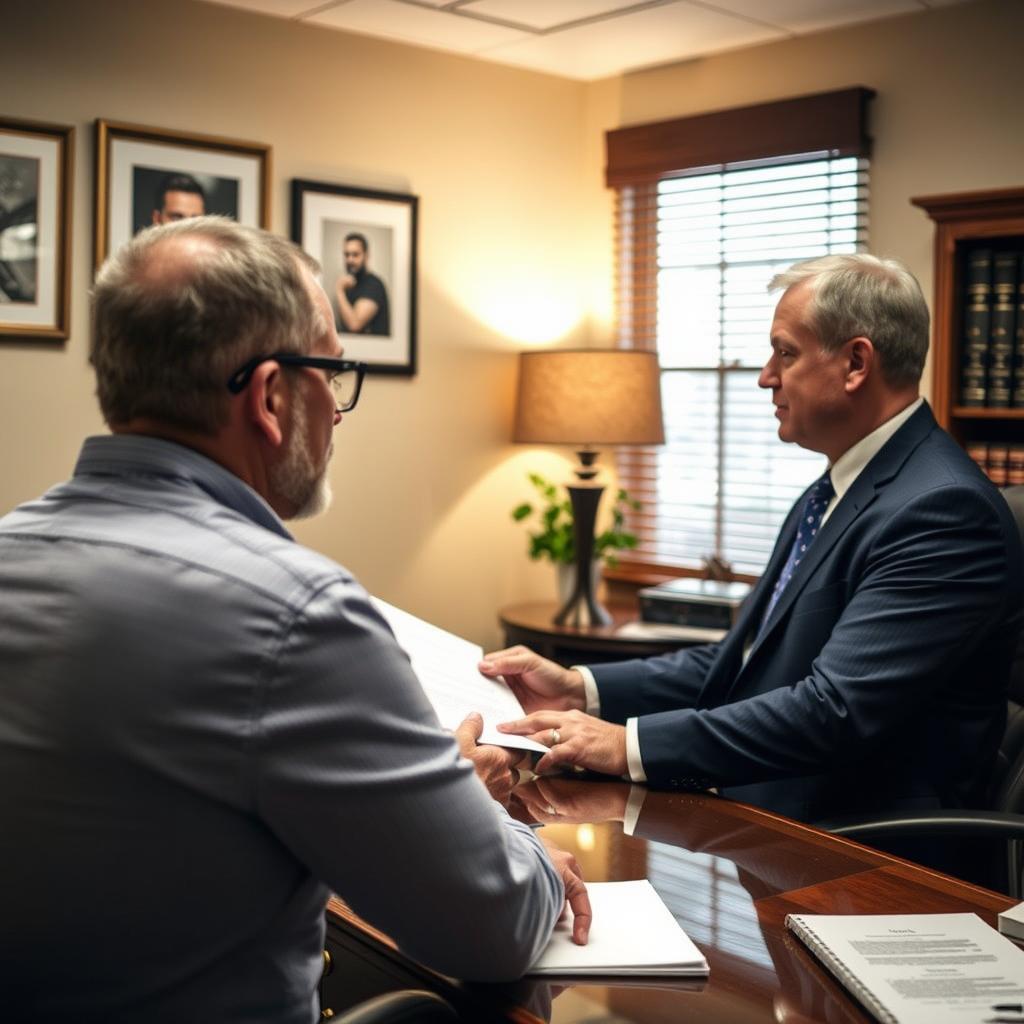
Initial consultation and evidence gathering. You’ll sit down with Mr. Sris or one of his Of Counsel to discuss your goals, the children’s needs, and the history of the parenting arrangement. You’ll gather school calendars, work schedules, communication records, and any documents that show what has—or hasn’t—worked so far. The attorney explains how the Virginia best‑interests factors, listed in Va. Code § 20‑124.3, apply to your facts.
Filing and service. If the matter is part of a divorce, the parenting schedule is requested in the Complaint filed with the York County Circuit Court. For standalone custody or visitation cases, a petition is filed in the York County Juvenile and Domestic Relations District Court. The other parent must be served, and they have a chance to respond.
Pendente lite hearing (if needed). When parents can’t agree on a temporary schedule while the case is pending, either side may ask the court for a pendente lite hearing. The J&DR District Court or the Circuit Court—again, depending on the posture—will issue a temporary order that stays in place until the final hearing. These rulings are based on limited evidence but can set the tone for the rest of the case.
Discovery and negotiation. Both sides exchange information, and often the parties or their attorneys attend a settlement conference or mediation. Many York County parenting schedules are resolved during this phase. If resolution occurs, the agreed‑upon schedule is submitted to the court for entry as an order.
Trial. If no agreement emerges, a judge will hear testimony, review evidence, and decide the schedule. The judge considers each parent’s role, the child’s relationship with each parent, the child’s needs, and any history of abuse or neglect. The court’s order is binding, and violation can lead to enforcement proceedings.
Consequences When a Parenting Schedule Is Violated
A parenting schedule is a court order, and ignoring it carries legal weight. Even small, repeated violations can damage your credibility and your relationship with the child. Understanding the possible repercussions helps parents take enforcement seriously—and encourages compliance.
Contempt of court. If one parent consistently denies the other parent court‑ordered time, the aggrieved parent can file a rule to show cause in the same York County court that entered the schedule. A judge may find the violator in contempt and impose sanctions, which can include fines, attorney’s fee awards, and, in extreme cases, jail time. The goal is compliance, not punishment, but the court has broad authority to make orders that restore the schedule.
Make‑up time and modification. A parent who misses time may be awarded extra make‑up days. Repeated violations can also support a petition to modify the schedule, shifting primary custody if the court finds the violations harmful to the child. The York County J&DR District Court and the Circuit Court both have jurisdiction to modify orders based on a material change in circumstances.
Involvement of law enforcement or protective services. While police typically don’t enforce civil custody orders in Virginia, chronic refusal to return a child may, in certain circumstances, intersect with criminal statutes. More commonly, a parent concerned about the other parent’s behavior can seek a protective order in the J&DR Court if the child’s safety is at risk. Mr. Sris and his Of Counsel help clients evaluate which enforcement tool fits their situation and guide them through the procedural steps.
Attorney Credentials
Mr. Sris, Owner and Founder of Law Offices Of SRIS, P.C., has been practicing since 1997. A former prosecutor, he is admitted in Virginia, Maryland, the District of Columbia, New Jersey, and New York. His experience includes handling complex family‑law matters, including contested custody and parenting‑schedule disputes in courts across Virginia, including the York County Juvenile and Domestic Relations District Court and the York County Circuit Court.
His Of Counsel team brings over 120 years of combined legal experience and has achieved 4,739+ documented firm-wide results. Results may vary. This team includes attorneys with backgrounds in prosecution, law enforcement, child welfare, and business litigation; together they offer a broad perspective on how schedules affect children, how other parents and their attorneys approach negotiations, and how local judges typically view scheduling disputes. Every parenting‑schedule matter is handled with attention to detail and a commitment to putting the child’s interests at the center of the strategy.
Frequently Asked Questions About Parenting Schedules in York County
Do I need a lawyer to create a parenting schedule in Virginia?
You are not legally required to hire a lawyer to draft a parenting schedule, but an attorney can help ensure the schedule is clear, enforceable, and accounts for all practical issues that courts look for. Parenting schedules that are vague about holidays, school breaks, transportation, or decision‑making authority often lead to disputes later. A lawyer can also help you understand how Virginia’s best‑interests factors will be applied in York County courts so you can negotiate from an informed position.
How is a parenting schedule different from a custody order in Virginia?
A parenting schedule describes the logistics of when each parent has physical custody of the child, while a custody order sets forth the legal decision‑making framework—whether custody is joint, sole, primary, or shared. Under Virginia law, both legal and physical custody are governed by Va. Code § 20‑124.2 and must be decided in the child’s best interests. The schedule itself includes details like pick‑up and drop‑off times, holiday rotation, and summer vacation blocks. In York County, the J&DR District Court often handles standalone custody and visitation while the Circuit Court handles those issues inside a divorce.
What factors does a York County judge consider when setting a parenting schedule?
A Virginia judge evaluates ten statutory best‑interests factors listed in Va. Code § 20‑124.3, including each parent’s relationship with the child, each parent’s ability to meet the child’s needs, and any history of abuse or neglect. The court also considers the child’s preference if the child is of sufficient age and maturity, each parent’s willingness to support the child’s relationship with the other parent, and the child’s need for stability in school and community. In York County, local judges may also weigh how well the proposed schedule accommodates the travel realities of the Peninsula area.
Can a parenting schedule be changed later in York County?
Yes, either parent can petition the York County court to modify a parenting schedule if there has been a material change in circumstances and the modification serves the child’s best interests. Common changes include a parent’s relocation, a change in work hours, a child’s changing school or activity needs, or a parent’s failure to follow the existing schedule. The court will examine the same best‑interests factors and may require mediation before a contested hearing.
What if the other parent and I live in different counties—can the York County court still decide?
If the child has lived in York County for at least six months, the York County Juvenile and Domestic Relations District Court typically has jurisdiction to make an initial custody and visitation determination under the Uniform Child Custody Jurisdiction and Enforcement Act. Even if the other parent has moved away, the original court that entered the schedule usually retains jurisdiction to modify it as long as one parent still lives in Virginia and the child has significant connections here. Consult a lawyer about your specific facts.
How long does it take to get a parenting schedule in York County?
The timeline varies widely depending on whether the parents can agree, the court’s calendar, and whether the schedule is part of a divorce or a standalone custody case. An agreed schedule can be entered in weeks once all required documents are filed. Contested cases that require pendente lite hearings, discovery, and trial can take several months or longer. Mr. Sris and his Of Counsel can give you a realistic estimate after learning the details of your matter. Reach our firm at (888) 437-7747 to schedule a consultation.
Is mediation required for parenting‑schedule disputes in York County?
Virginia does not mandate mediation for custody and visitation matters, though many judges in the York County J&DR District Court encourage it before they will schedule a contested hearing. Mediation can be a cost‑effective way to reach a schedule both parents can live with, and it allows you to craft details that a court might not include. Even when mediation doesn’t produce a full agreement, it often narrows the issues, which can shorten the court process.
Can a parenting schedule address communication between parents?
Yes, a parenting schedule can include provisions about how parents communicate regarding the child, such as using a specific parenting app, setting response‑time expectations, and outlining how major decisions (medical, educational) will be discussed. Courts in York County are familiar with these provisions and will include them in an order if both parents agree or if the judge finds they support the child’s best interests. Clear communication rules reduce daily friction and create a record if problems arise later.
What if I fear for my child’s safety during the other parent’s time?
If you have a reasonable fear for your child’s safety, you can seek a protective order in the York County Juvenile and Domestic Relations District Court and ask that the parenting schedule be modified to include supervised visitation or other safety measures. The court can act quickly in emergency situations. An attorney can help you present evidence of the concerns and advocate for restrictions that protect the child while still preserving the parent‑child relationship when possible.
How does the court enforce a parenting schedule when one parent won’t follow it?
Enforcement begins with filing a rule to show cause in the York County court that issued the schedule, asking the judge to hold the violating parent in contempt. Possible consequences include make‑up visitation time, fines, attorney’s fees, and, in severe or repeated cases, jail. The court may also modify the schedule to reduce the violating parent’s time. Enforcement actions are fact‑specific, so it’s wise to consult a lawyer before filing.
To discuss your parenting schedule matter, call Law Offices Of SRIS, P.C. at (888) 437-7747 or visit our Richmond Location by appointment at 7400 Beaufont Springs Drive, Suite 300, Room 395, Richmond, VA 23225.
For a full statutory breakdown of Virginia divorce and custody laws, see our comprehensive analysis at srislawyer.com.
Attorney advertising. Prior results do not guarantee a similar outcome.
Case results depend on a variety of factors unique to each case.
Attorney responsible for this advertising: Mr. Sris.
Results may vary.