
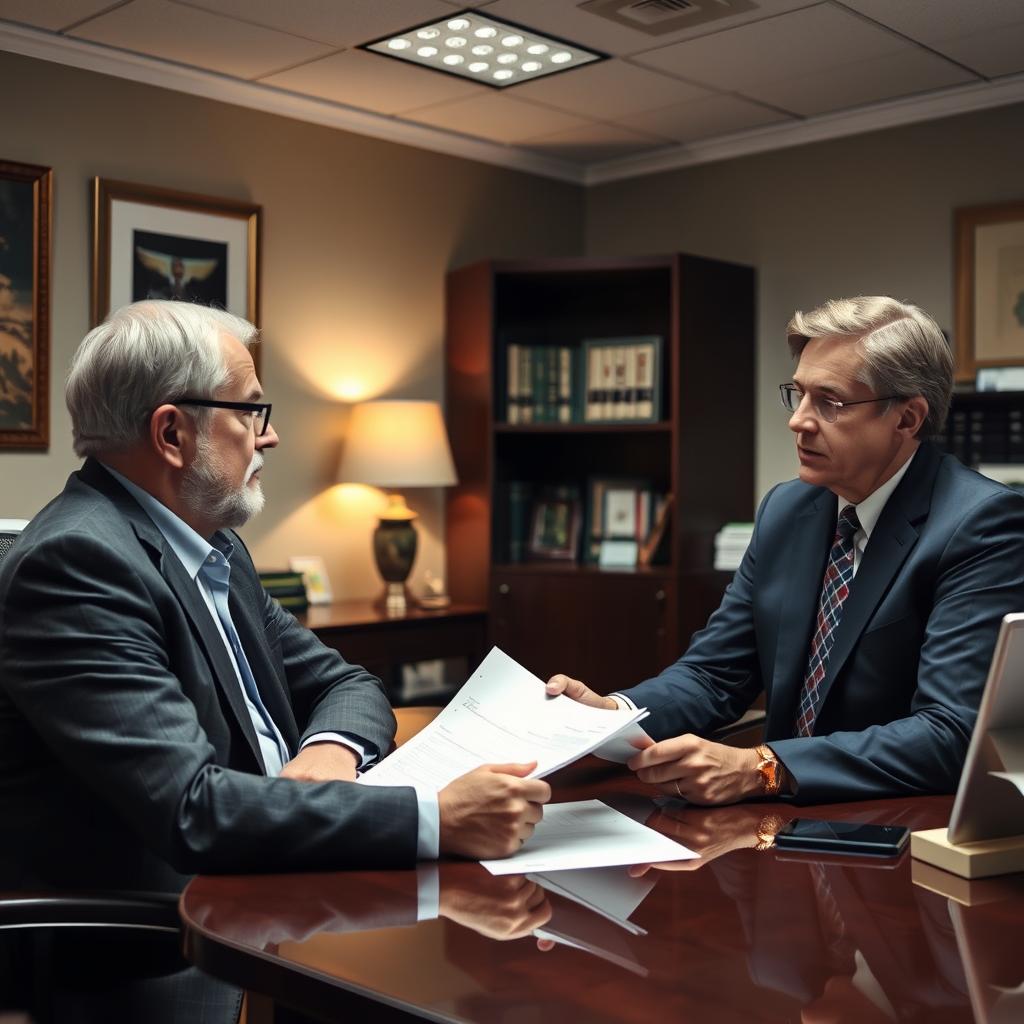
Partner Support Lawyer Isle of Wight County, VA
Spousal support — often called alimony or partner support — is one of the most contested parts of a divorce or separation. In Isle of Wight County, Virginia, the Circuit Court resolves partner support in divorce actions, while the Juvenile and Domestic Relations District Court addresses support outside divorce, such as for unmarried parents or protective-order proceedings. Mr. Sris, Owner and Founder of Law Offices Of SRIS, P.C., and his Of Counsel team represent clients in partner support matters from the Smithfield, Windsor, and Carrollton communities. They advocate for fair resolutions under Va. Code § 20-107.1, which sets out the statutory factors the court weighs when deciding whether spousal support is warranted, the amount, and the duration. Whether you are seeking support or defending against a claim, the Richmond Location of Law Offices Of SRIS, P.C. Appears in Isle of Wight County courts to protect your interests. Reach the firm at (888) 437-7747 to request a consultation.
What Partner Support Means in Isle of Wight County, VA
Partner support in Virginia is a financial obligation one spouse may be ordered to pay the other during or after a divorce, separation, or protective-order proceeding. The focal statute is Va. Code § 20-107.1, which instructs the court to consider 13 factors when determining the amount and duration of support. Because Virginia is an equitable distribution state under Va. Code § 20-107.3, the division of marital property and the award of spousal support are distinct but interrelated; a support award often fills the gap left by an uneven property division. Isle of Wight County residents litigate partner support in either the Circuit Court — which handles all divorce, equitable distribution, and support matters arising from divorce — or the Juvenile and Domestic Relations District Court, which has jurisdiction over support orders outside marriage. Both courts sit at 17122 Monument Circle, Suite A, Isle of Wight, VA 23397. Mr. Sris and his Of Counsel have appeared in these courts across cases within the Fifth Judicial District, and they understand how local judges apply the statutory factors such as each party’s earning capacity, the standard of living established during the marriage, and the duration of the marriage.
Isle of Wight County is part of the greater Hampton Roads region, connected by Route 10, Route 258, and Route 17. The court’s geographic reach includes Smithfield, Windsor, and Carrollton. Support orders are not static; either party may petition for modification based on a material change in circumstances, and enforcement tools are available when an obligor fails to pay. Our Richmond Location serves clients from all corners of the county, providing continuity through pendente lite motions, final hearings, and post-decree proceedings.
How Mr. Sris and His Of Counsel Handle Partner Support Cases
From the first meeting, Mr. Sris and his Of Counsel focus on building a complete financial picture. They gather income documentation, tax returns, business records, and expense statements to determine the requesting spouse’s need and the other spouse’s ability to pay — the two threshold questions under Virginia law. If a separation agreement is being negotiated, they advise on the support terms to ensure the agreement is fair and likely to be approved by the court. When litigation is necessary, they prepare for a pendente lite hearing to obtain temporary support while the case is pending, then proceed to a final hearing where the 13 statutory factors are presented through testimony and exhibits.
Post-decree, the firm handles modifications when circumstances change — a job loss, a substantial change in income, or remarriage of the receiving spouse. They also pursue enforcement remedies when a support obligor fails to comply, including motions for judgment, garnishment, and contempt proceedings. Because all non-Sris attorneys are Of Counsel, each matter benefits from the focused attention of Mr. Sris and legal professionals with extensive combined legal experience. Results may vary.
About Mr. Sris and His Of Counsel Team
Mr. Sris, Owner and Founder of Law Offices Of SRIS, P.C., is a former prosecutor who has practiced law since 1997. He is admitted in Virginia, Maryland, the District of Columbia, New Jersey, and New York. Mr. Sris testified before the Virginia House Courts of Justice Committee in support of 2019 HB 635 (chief patron Del. David Bulova), the bill that revised the equitable distribution statute’s treatment of retirement assets. His Of Counsel team includes attorneys with backgrounds in prosecution, law enforcement, and complex family litigation, bringing extensive combined legal experience between Mr. Sris and his Of Counsel to every partner support matter. Together they represent clients at the Isle of Wight County Circuit Court and the Juvenile and Domestic Relations District Court, focusing on practical, well-prepared advocacy rather than inflated promises.
Frequently Asked Questions
What is partner support in Virginia?
Partner support, also known as spousal support or alimony, is a court-ordered payment from one spouse to the other during or after a divorce or separation. In Virginia, the court decides whether support is warranted, the amount, and the duration by applying 13 statutory factors under Va. Code § 20-107.1, including each party’s earning capacity, the duration of the marriage, the standard of living during the marriage, and the financial resources of each spouse. Support can be temporary (pendente lite), rehabilitative, or permanent, and the court may reserve the right to revisit the award later. For guidance on your specific situation, reach Law Offices Of SRIS, P.C. at (888) 437-7747.
How does the court decide how much spousal support to award in Isle of Wight County?
The court weighs 13 statutory factors, not a formula, to determine the amount and duration of spousal support. These factors include the obligor’s ability to pay, the recipient’s need, the monetary and non-monetary contributions of each spouse during the marriage, the earning capacities, the age and health of the parties, and the provisions made through equitable distribution. Isle of Wight County judges examine financial affidavits, tax returns, and lifestyle evidence to make a fact-specific decision. Because the outcome is discretionary and fact-intensive, experienced representation can make a significant difference in how the factors are argued and applied.
Do I need a lawyer for a partner support case in Virginia?
You are not legally required to have a lawyer, but the discretionary nature of spousal support decisions makes experienced legal representation important. A lawyer can help you gather and present the financial information the court needs, argue the appropriate weight for each statutory factor, and negotiate a separation agreement that avoids litigation. Without counsel, you may overlook income streams, inflate or understate need, or fail to preserve appeal rights. For a consultation, reach Mr. Sris and his Of Counsel at (888) 437-7747.
Can a spousal support order be changed after the divorce?
Yes, a spousal support order can be modified if the party seeking the change demonstrates a material change in circumstances since the last order. Common examples include a substantial involuntary change in income, the paying spouse’s retirement, the recipient’s remarriage or cohabitation in the manner of a marriage, or a change in health. The court may increase, decrease, or terminate support based on the updated financial picture. A motion to modify must be supported by detailed financial documentation, and the same statutory factors guide the court’s decision. To discuss the details of your matter, contact Law Offices Of SRIS, P.C. at (888) 437-7747.
What happens if my ex-spouse does not pay the court-ordered spousal support?
If a former spouse fails to pay spousal support, enforcement remedies are available through the court that issued the order. The firm can file a rule to show cause, a motion for judgment, or a garnishment to collect past-due support and secure future payments. A contempt finding may result in the court ordering the obligor to pay arrearages, attorney fees, and in some cases, jail time until compliance. The clock is not suspended by nonpayment, and interest may accrue on past-due amounts, so early enforcement action can prevent a large arrearage from accumulating. Contact the firm to discuss your enforcement options.
How long does spousal support last in Virginia?
The duration of spousal support depends on the type of award and the specific facts of the case. Pendente lite support ends when the divorce is final. Rehabilitative support continues for a period set by the court to allow the recipient to become self-sufficient. Permanent support may continue indefinitely, but it typically terminates upon the remarriage of the recipient, the death of either party, or a subsequent court order based on changed circumstances. The court can also award a defined-duration award with a reservation to revisit it later. Each situation requires individualized analysis under Va. Code § 20-107.1.
For more on Virginia family law, refer to Virginia Code Title 20 (Domestic Relations) and the Virginia Judicial System.
Also serving nearby communities:
Fairfax County family law representation |
Fairfax City family law attorney |
Falls Church family law guidance |
Prince William County family lawyer
Attorney advertising. Prior results do not guarantee a similar outcome. Results may vary.
Case results depend on a variety of factors unique to each case.