
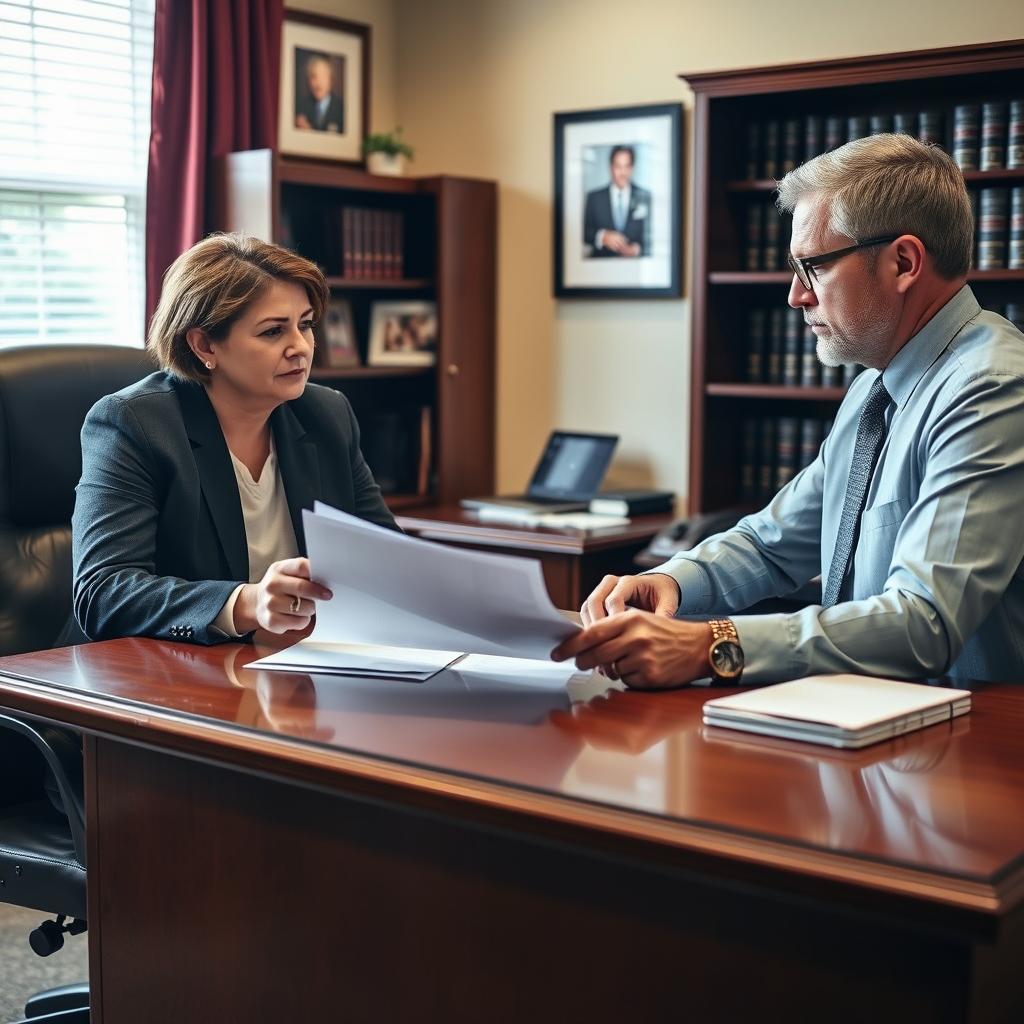
Paternity Rights Lawyer Isle of Wight County, VA
You live in Smithfield, Virginia. You and your child’s mother were never married. Now you want to be part of your child’s life—seeing them, making decisions for them, helping provide for their future. But you have been told you have no legal rights because paternity has never been established. You are not sure what steps to take or whether a court will even hear you. In Isle of Wight County, paternity is the legal gateway to a father’s rights: custody, visitation, and a say in how a child is raised. The process is set out in Virginia Code § 20‑49.1 and the rules that follow. Mr. Sris and his Of Counsel team at Law Offices Of SRIS, P.C. help fathers, mothers, and children in Smithfield, Windsor, Carrollton, and throughout Isle of Wight County navigate paternity establishment, custody petitions, and child support determinations. Reach the firm at (888) 437‑7747 to request a consultation. Law Offices Of SRIS, P.C. – Advocacy Without Borders.
What Paternity Rights Mean in Isle of Wight County, Virginia
In Virginia, when a child is born to unmarried parents, the father does not automatically have legal rights to custody or visitation. Paternity must be established. That means obtaining a legal determination—by acknowledgment, genetic testing, or court order—that a man is a child’s biological and legal father. Once paternity is established, a father may petition for custody, parenting time, and a role in major life decisions. At the same time, establishing paternity also triggers financial obligations and the duty to support the child.
Isle of Wight County matters are heard in the Isle of Wight County Juvenile and Domestic Relations District Court when the case involves standalone custody, visitation, or child support. If the parents later marry or a divorce is filed, the Circuit Court handles custody and support as part of the divorce proceeding. The court is located at 17122 Monument Circle, Suite A, Isle of Wight, Virginia, and is part of the Fifth Judicial District. The firm’s Richmond location regularly represents clients before this court, and Mr. Sris and his Of Counsel are familiar with the local docket and procedural expectations.
How Mr. Sris and His Of Counsel Handle Paternity Cases
Every paternity matter starts with a careful look at the family’s situation. For a father who is certain of his parentage, the firm may help negotiate a Voluntary Acknowledgment of Paternity—a simple administrative route that avoids litigation. When paternity is disputed, genetic testing becomes the central issue, and the firm works with accredited testing laboratories to present clear, admissible results. In court, Mr. Sris and his Of Counsel advocate for the establishment order and then guide the client through the next phase: seeking parenting time and a custody arrangement that protects the child’s well‑being.
The firm’s approach is grounded in the understanding that paternity disputes are deeply personal. There is no single timeline that fits every case; the process depends on court scheduling, the complexity of genetic testing, and whether the parties can reach agreement. Mr. Sris and his Of Counsel keep clients informed at each step, explaining what to expect without overpromising. Every effort is made to resolve matters efficiently while building a record that supports the child’s best interests.
About Mr. Sris and His Of Counsel Team
Mr. Sris, Owner and Founder of Law Offices Of SRIS, P.C., has been practicing family law since the firm opened in 1997. A former prosecutor, he brings a detailed understanding of courtroom procedure and evidence. He is admitted to practice in Virginia, Maryland, the District of Columbia, New Jersey, and New York. Mr. Sris testified before the Virginia House Courts of Justice Committee in support of 2019 HB 635 (chief patron Del. David Bulova), work that deepened his command of Virginia family law. He is joined by a team of Of Counsel who are experienced across multiple legal areas. Together they bring extensive combined legal experience to paternity and family law matters. Results may vary. in your case.
The firm’s Richmond location serves Isle of Wight County clients, and Mr. Sris and his Of Counsel are available by appointment. The telephone line—(888) 437‑7747—is answered 24 hours a day. Staff includes professionals who can assist in English, Spanish, and Tamil.
Frequently Asked Questions
What does it mean to establish paternity in Virginia?
Establishing paternity is the legal process of determining a child’s legal father when the parents are not married at the time of the child’s birth. In Virginia, this can be done voluntarily through an Acknowledgment of Paternity form signed by both parents or through a court order that may include genetic testing. Once paternity is legally established, the father gains the right to seek custody and visitation and becomes responsible for child support. The child also gains access to benefits such as health insurance, inheritance rights, and Social Security. The process is governed by Virginia Code § 20‑49.1 and related statutes.
How is paternity established in Isle of Wight County?
Paternity in Isle of Wight County can be established either by a signed Voluntary Acknowledgment of Paternity or by filing a petition in the Isle of Wight County Juvenile and Domestic Relations District Court. If the parents agree, the acknowledgment is the simplest path. If there is disagreement, either parent, the child’s guardian, or the Virginia Division of Child Support Enforcement may file a petition. The court may order genetic testing. The hearing is held at the courthouse at 17122 Monument Circle, Suite A, Isle of Wight, Virginia. A family law attorney can help prepare the petition and handle the court appearance.
What rights does a father gain after paternity is established?
After paternity is legally established, a father gains the right to petition for custody, visitation, and parenting time, and he also has the right to participate in major decisions about the child’s upbringing. The court determines custody and visitation based on the best interests of the child using the ten factors in Virginia Code § 20‑124.3. Establishing paternity does not automatically give the father physical custody; a separate court order is needed. At the same time, the father becomes legally obligated to provide financial support under Virginia’s child support guidelines.
Do I need a lawyer to establish paternity in Isle of Wight County?
While you are not legally required to have a lawyer, working with an experienced family law attorney can help you avoid missteps that delay the process or limit your future rights. An attorney can handle the filing, ensure genetic test results are properly admitted as evidence, and argue for a custody and visitation order that serves the child’s welfare. Especially when the other parent disputes paternity or contests custody, legal guidance makes a significant difference. For a consultation about your specific situation, reach Law Offices Of SRIS, P.C. at (888) 437‑7747.
What if the mother refuses to cooperate with paternity testing?
If the mother refuses to cooperate, a father may file a petition in the Juvenile and Domestic Relations District Court asking the court to order genetic testing. The court has the authority to compel all parties to submit to testing. Refusal to comply can result in the court proceeding without the mother’s cooperation. In some cases, the judge may draw an adverse inference from the refusal. A lawyer can present the request in the proper legal form and explain the implications of non‑cooperation at the hearing.
Attorney advertising. Prior results do not guarantee a similar outcome. Results may vary.
Case results depend on a variety of factors unique to each case.