
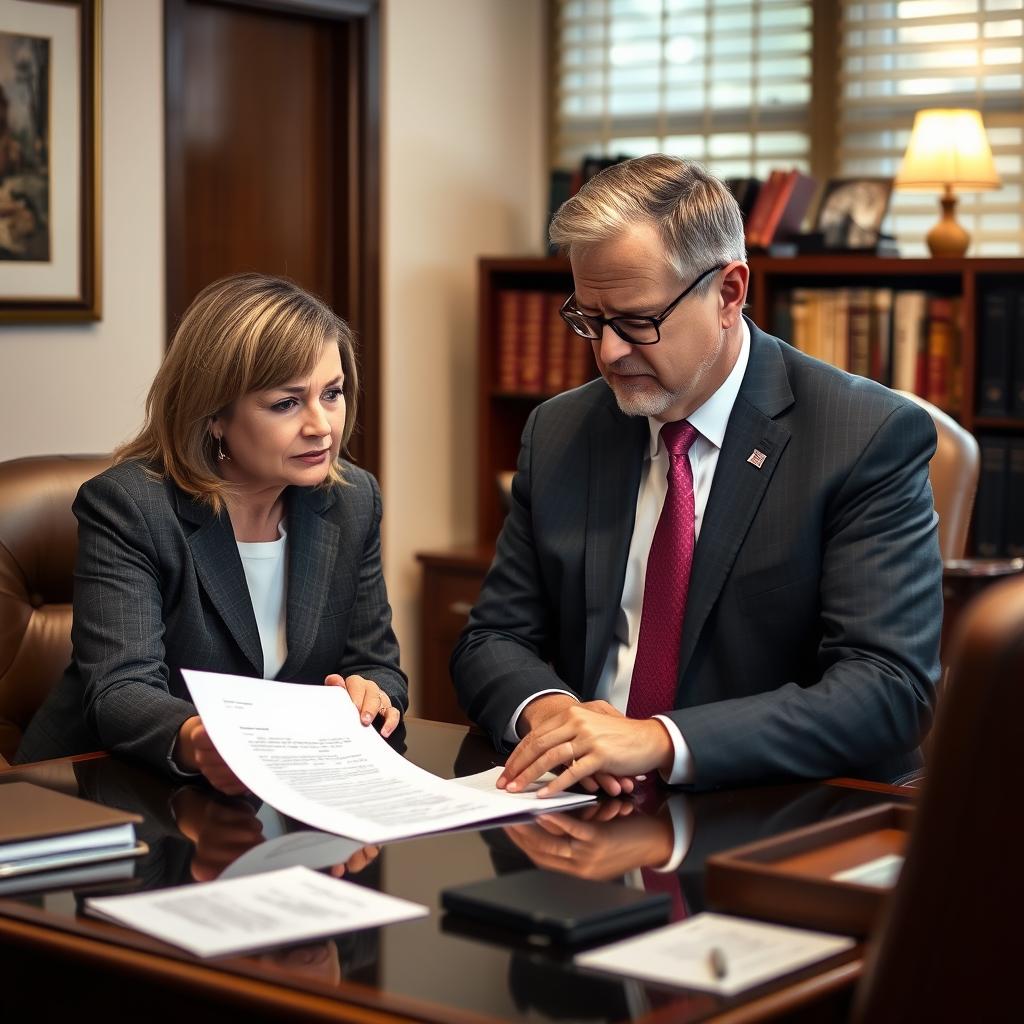
Post Divorce Modification Lawyer Fauquier County, VA
When a divorce decree has been entered, life can change. A former spouse may lose a job, a child’s needs may shift, or the cost of living may make earlier support orders unworkable. In Fauquier County, Virginia, parties may seek to modify provisions of a final divorce order—including spousal support, child support, custody, or visitation—when circumstances warrant. Post-divorce modification is a family law matter governed by the Virginia Code, and it requires showing a material change in circumstances since the last order. The Fauquier County Circuit Court and the Fauquier County Juvenile and Domestic Relations District Court each handle portions of these cases. Law Offices Of SRIS, P.C. represents clients in modification proceedings throughout Fauquier County. To discuss your situation, contact the firm at (888) 437-7747. Law Offices Of SRIS, P.C. – Advocacy Without Borders.
What Post‑Divorce Modification Means in Fauquier County, Virginia
In Fauquier County, a divorce decree entered in the Circuit Court is final, but many of its terms are modifiable under Virginia law. Spousal support, child support, legal or physical custody, and visitation schedules may be revisited when a party demonstrates that a material change of circumstances has occurred since the entry of the last order. The standard is not a simple preference for a different arrangement; the moving party must show that the change is significant, was not within the parties’ reasonable contemplation at the time of the original decree, and warrants a revision to serve the best interests of a child or the equitable needs of the parties.
Virginia is an equitable distribution state, and the statutory framework for modification draws from several Code sections. Spousal support modification is governed by Va. Code § 20‑107.1 and § 20‑109, child support by Va. Code § 20‑108.1 and § 20‑108.2, and custody and visitation by Va. Code § 20‑124.2 and § 20‑124.3. Because Virginia’s courts retain continuing jurisdiction over support and custody matters, modification petitions are often filed in the same county that issued the original decree, or in the county where one of the parties and the child now reside. For Fauquier County residents, the Fauquier County Juvenile and Domestic Relations District Court hears standalone petitions for support, custody, and visitation, while the Circuit Court addresses modifications connected to an existing divorce case or requests that affect equitable distribution or spousal support in complex matters. Practically, the county’s rural‑exurban character—with communities such as Warrenton, New Baltimore, Bealeton, Marshall, and The Plains—means that many families rely on nearby professional resources, and the courts are attuned to the commercial and agricultural realities of the region.
How Mr. Sris and His Of Counsel Handle Post‑Divorce Modification Cases
When a client seeks a post‑divorce modification, Mr. Sris and his Of Counsel first examine the existing court order and the factual changes that have occurred. A job loss, a substantial change in income, a medical condition, a relocation, or a new child’s needs may each constitute a material change. The legal team gathers documentation—pay stubs, tax returns, medical records, school reports, or correspondence—and assesses whether the change meets the statutory threshold. If negotiation with the other party is possible, a consent order or a modified agreement may be filed with the court, which can streamline the process and avoid litigation. When the opposing party contests the change, Mr. Sris and his Of Counsel prepare for hearings before the Fauquier County courts. They frame the evidence, call relevant witnesses, and present legal argument tailored to the judge’s local practice. Throughout the proceeding, the team works to protect the client’s rights and to achieve a modified order that reflects the current circumstances. Clients are kept informed of procedural steps, from filing the petition to any pendente lite motions for emergency relief, and receive clear guidance on what to expect as the matter moves through the court calendar.
About Mr. Sris and His Of Counsel Team
Mr. Sris, Owner and Founder of Law Offices Of SRIS, P.C., is a former prosecutor and has practiced law since 1997. He is admitted in Virginia, Maryland, the District of Columbia, New Jersey, and New York. His background in trial work informs his approach to contested family law matters, including post‑divorce modifications that require courtroom advocacy. Mr. Sris testified before the Virginia House Courts of Justice Committee in support of 2019 HB 635 (chief patron Del. David Bulova).
The firm’s Of Counsel attorneys add additional experience and perspective. Together, Mr. Sris and his Of Counsel have represented clients across Fauquier County in a range of family law matters, consistently working toward favorable resolutions. Court personnel and judges in the Twentieth Judicial District are familiar with the firm’s presence, and the team is accustomed to the procedural rhythms of the Fauquier County Circuit Court and the Juvenile and Domestic Relations District Court. The firm maintains a Fairfax Location that serves Fauquier County residents. For a consultation, call (888) 437‑7747.
Frequently Asked Questions
What qualifies as a material change for post‑divorce modification in Virginia?
A material change is a significant, unanticipated alteration in circumstances that affects the fairness or workability of an existing court order. Virginia courts evaluate material change on a case‑by‑case basis. Common examples include substantial income loss or gain, a change in a child’s medical or educational needs, relocation of one parent, or a modification in the cost of living that alters support obligations. The change must have occurred after the entry of the last order and cannot be one the parties reasonably foresaw. For support modifications, the threshold is whether the current order would be “unconscionable” or whether application of the statutory guidelines yields a different amount. Fauquier County judges apply the factors in Va. Code § 20‑107.1 (spousal support) and § 20‑108.1 (child support) to determine if a modification is warranted.
Do I need a lawyer to file for a post‑divorce modification in Fauquier County?
While you are permitted to represent yourself in a modification proceeding, experienced legal counsel can help you present the strong case and avoid procedural mistakes that could delay or derail your petition. A lawyer familiar with the Fauquier County courts understands the documentation required, how to frame the material change, and what evidence the judge expects. Legal counsel can also negotiate with the other party to reach an agreed modification, sparing you the time and expense of contested hearings. Because the outcome of a modification affects ongoing financial and parental obligations, many people find it prudent to have an attorney guide them through the process. To discuss whether representation is right for your matter, contact Law Offices Of SRIS, P.C. at (888) 437‑7747.
How does the modification process work in Fauquier County, Virginia?
A party initiates a modification by filing a motion or petition with the court that issued the underlying order, serving the other party, and presenting evidence of a material change. In Fauquier County, if the matter concerns standalone child support or custody, the petition is filed in the Juvenile and Domestic Relations District Court. If the modification is tied to a divorce decree that includes spousal support or equitable distribution, it typically proceeds in the Circuit Court. After the filing, the court schedules a hearing. The moving party must prove the material change and that the proposed modification serves the best interests of the child or is otherwise equitable. The responding party has an opportunity to contest. The judge may issue a ruling from the bench or take the matter under advisement. If both parties agree to the modification, they may submit a consent order that the judge can enter without a full hearing.
What if the other parent refuses to agree to a custody modification?
When the other parent opposes a custody modification, the matter proceeds to a contested hearing where each side presents evidence to the court. The judge decides based on the trusted‑interests factors in Va. Code § 20‑124.3, including the child’s relationship with each parent, the parents’ respective abilities to care for the child, and any history of abuse. In Fauquier County, the Juvenile and Domestic Relations Court or the Circuit Court (if part of a divorce case) will evaluate the change and determine whether a modification is necessary. An attorney can help you prepare witness testimony, document the changed circumstances, and articulate why the modification benefits the child. Even when agreement seems impossible, many cases resolve through negotiation before trial. For guidance on your specific situation, reach Law Offices Of SRIS, P.C. at (888) 437‑7747.
Can spousal support be modified after divorce in Virginia?
Yes, spousal support can be modified post‑divorce if the party seeking the change demonstrates a material change in circumstances that renders the current award unjust. Virginia law permits modification of periodic spousal support unless the parties expressly agreed in a valid separation agreement that the support is non‑modifiable or limited. If the original support obligation was based on agreed‑upon guidelines, the court may modify it if the change would be unconscionable. Fauquier County Circuit Court hears these petitions. Examples of material changes include involuntary job loss, a significant increase or decrease in either party’s income, retirement, a change in health that affects earning capacity, or cohabitation in a relationship analogous to marriage. To discuss whether your situation meets the standard, contact Law Offices Of SRIS, P.C. for a consultation.
Our firm also serves clients in nearby communities. Learn more about family law representation in Fairfax County, Prince William County, Stafford County, Loudoun County, and Arlington County.
Virginia Primary Sources:
Virginia Code Title 20 (Domestic Relations)
Fauquier County Circuit Court
Virginia Judicial System
Attorney advertising. Prior results do not guarantee a similar outcome. Results may vary. case results depend on a variety of factors unique to each case.
Case results depend on a variety of factors unique to each case.