
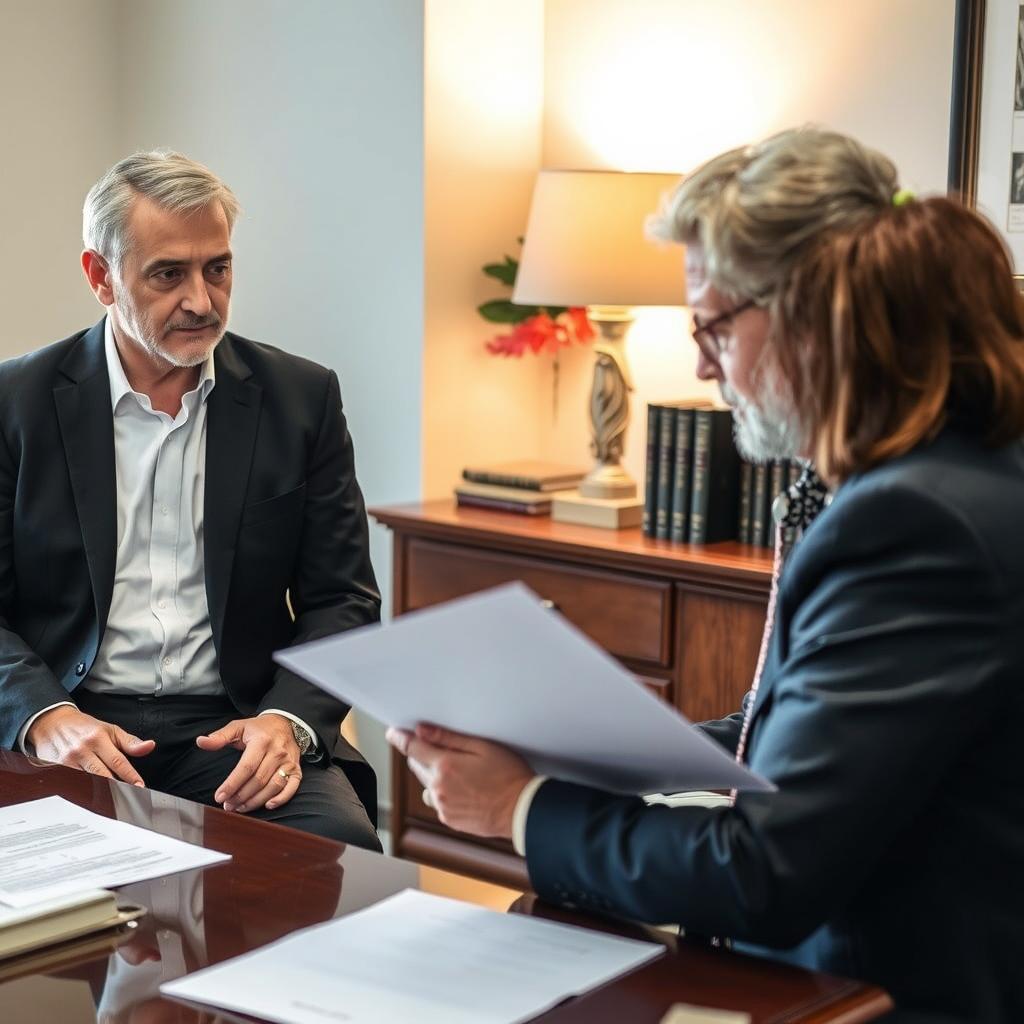
Postnup Lawyer Colonial Heights, VA
A postnuptial agreement, sometimes called a postnup, is a written contract entered into by spouses after marriage that determines how property, assets, debts, and other financial matters will be handled if the marriage ends. In Colonial Heights, Virginia, postnuptial agreements are governed by the Virginia Premarital Agreement Act (Va. Code § 20-147 et seq.) and general contract principles. For couples in Colonial Heights who want to protect their financial interests without the emotional strain of litigation, a well-drafted postnup can bring clarity and peace of mind. Mr. Sris and his Of Counsel at Law Offices Of SRIS, P.C. represent clients in drafting, reviewing, and enforcing postnuptial agreements throughout the 12th Judicial District, including Colonial Heights Circuit Court. Our Richmond location serves individuals and families in Colonial Heights, Chesterfield County, and the surrounding area. To schedule a consultation with an experienced postnup lawyer, call (888) 437‑7747. Law Offices Of SRIS, P.C. – Advocacy Without Borders.
Why a Postnuptial Agreement Matters in Colonial Heights
For many married couples, circumstances change after the wedding—one spouse starts a business, receives an inheritance, or the couple’s financial goals shift. A postnuptial agreement allows spouses to define property rights, debt allocation, and spousal support obligations in a manner that reflects their current situation rather than relying solely on Virginia’s equitable distribution laws if the marriage dissolves. In Colonial Heights, where families often build lives around Fort Gregg‑Adams, Swift Creek, and the James River communities, having a clear, enforceable agreement can prevent costly litigation and emotional stress.
Virginia courts, including the Colonial Heights Circuit Court, enforce postnuptial agreements that are entered into voluntarily, with full disclosure of assets, and without unconscionability. Because Virginia is an equitable distribution state (Va. Code § 20‑107.3), the court would divide marital property based on a list of factors if no agreement exists. A postnuptial contract allows you to decide the outcome yourselves. Mr. Sris and his Of Counsel help clients draft agreements that reflect their intentions while meeting Virginia’s legal requirements, so the document stands up in court if ever challenged.
Frequently Asked Questions
What is a postnuptial agreement in Virginia?
A postnuptial agreement is a voluntary written contract made by spouses after marriage that governs property division, spousal support, and other financial rights if the marriage ends. Under Virginia law, these agreements are closely modeled on the standards for prenuptial agreements found in the Virginia Premarital Agreement Act (Va. Code § 20‑147 et seq.). They can address how marital and separate property will be classified, how debts will be allocated, and whether spousal support will be paid. The agreement must be in writing and signed by both parties to be enforceable.
Is a postnuptial agreement enforceable in Virginia?
Yes, a properly executed postnuptial agreement is enforceable in Virginia courts, including Colonial Heights Circuit Court, provided it meets certain legal standards. The agreement must be entered into voluntarily by both spouses, not the product of fraud, duress, or overreaching. There must be a fair and reasonable disclosure of each party’s financial situation, or at least a general knowledge of the other’s assets. If a court finds the agreement was unconscionable when executed, it may refuse to enforce some or all of its terms. Consultation with an experienced family law attorney helps ensure the agreement meets Virginia’s enforceability requirements.
What can a postnuptial agreement cover?
A postnuptial agreement in Virginia can address the disposition of property upon separation, divorce, or death; spousal support obligations; management and control of property during the marriage; and the allocation of debts. It can also specify which assets remain separate property and which become marital, define the rights and duties of each spouse with respect to the marital residence, and include provisions for the care of children from a prior relationship. However, a postnuptial agreement cannot determine child custody or child support, as those issues are governed by the best interests of the child standard at the time of divorce.
How does a postnuptial agreement differ from a prenuptial agreement?
The primary difference is timing: a prenuptial agreement is signed before marriage, while a postnuptial agreement is executed after the wedding. Virginia law treats both similarly under the Premarital Agreement Act, applying the same standards for enforceability. Some courts may scrutinize postnuptial agreements more closely because spouses owe each other a higher fiduciary duty during marriage than before marriage. However, both types of agreements serve the same purpose—giving couples control over their financial future rather than relying on the court’s determination under equitable distribution principles.
Can a postnuptial agreement address spousal support?
Yes, a postnuptial agreement may include provisions that modify, waive, or define spousal support obligations upon divorce. In Virginia, spouses may agree that one party will receive a set amount of support for a defined period, or that spousal support will be waived entirely. However, if the provision is so unfair as to make one spouse a public charge or leave that spouse without reasonable means, a court may decline to enforce the spousal support waiver. An attorney can help craft language that balances both parties’ interests while protecting the agreement against later challenge.
What makes a postnuptial agreement invalid in Virginia?
A postnuptial agreement may be invalidated if a court finds that it was not entered into voluntarily or that it is unconscionable. Voluntariness can be undermined by fraud, duress, coercion, or a lack of meaningful opportunity to consult with independent counsel. Unconscionability is measured at the time the agreement was executed, not at the time of enforcement. If one party concealed assets or failed to provide adequate financial disclosure, that can also be grounds for setting aside the agreement. Virginia courts evaluate each case on its specific facts, so any postnup must be drafted carefully to withstand scrutiny.
Do I need a lawyer to draft a postnuptial agreement in Colonial Heights?
There is no legal requirement that you hire an attorney to draft a postnuptial agreement, but doing so is strongly recommended because of the complex legal standards that govern enforceability. A well-drafted agreement requires detailed knowledge of Virginia’s equitable distribution law, statutory formalities, and the potential pitfalls that can lead a court to refuse enforcement. An experienced family law attorney can also help ensure that both parties fully understand their rights before signing. The firm’s Richmond location, which serves Colonial Heights, can assist with drafting, reviewing, or negotiating a postnuptial contract tailored to your circumstances.
What is the process for creating a postnuptial agreement?
The process generally begins with a consultation where each spouse discloses their assets, debts, income, and financial goals; then the attorney drafts the agreement and the parties negotiate its terms. Both spouses should have the opportunity to review the draft with separate legal counsel to avoid any later claim of duress or lack of understanding. Once the terms are finalized, the agreement is signed and notarized. The entire process can take several weeks to a few months, depending on the complexity of the couple’s finances and how quickly they reach agreement.
Can a postnuptial agreement be modified or revoked?
Yes, a postnuptial agreement can be modified or revoked, but only by a written instrument signed by both spouses. Oral modifications are not enforceable under Virginia law. Some agreements include a provision setting out the procedure for amendments and the standard that will apply (i.e., that any amendment must also be supported by full disclosure). If both parties agree to terminate the agreement, they can execute a revocation document that clearly states the agreement is no longer in effect. It is advisable to consult with an attorney before modifying or revoking a postnuptial agreement so that the changes are legally effective.
How does a court handle disputes over a postnuptial agreement in Colonial Heights?
If one spouse challenges a postnuptial agreement, the Colonial Heights Circuit Court will hold a hearing to determine whether the agreement is valid under Virginia law. The court will examine whether there was voluntary execution, whether there was adequate financial disclosure, and whether the agreement is conscionable. The party seeking to enforce the agreement typically has the burden of showing these elements, while the party challenging it may present evidence of fraud, duress, or overreaching. If the court finds the agreement valid, it will be enforced as written; if not, the court will proceed to divide property under equitable distribution principles.
What should I bring to a consultation with a postnup lawyer?
You should bring a list of all assets and debts owned by each spouse, information about each party’s income, any existing prenuptial or separation agreements, and a clear idea of what you hope the agreement will accomplish. Specific documents that are helpful include deeds, financial account statements, retirement account statements, business ownership records, and tax returns. If you and your spouse have already discussed certain terms, bringing a written summary of those discussions can help the attorney understand the areas of agreement and the points that still need negotiation. The attorney will use this information to evaluate the feasibility and structure of the proposed postnuptial agreement.
About Mr. Sris and His Of Counsel Team
Mr. Sris, Owner and Founder of Law Offices Of SRIS, P.C., has practiced law since 1997. A former prosecutor, he brings a practical understanding of how courts evaluate financial agreements, including postnuptial contracts. Mr. Sris testified before the Virginia House Courts of Justice Committee in support of 2019 HB 635 (chief patron Del. David Bulova), which revised provisions of Virginia’s equitable distribution law—directly relevant to postnuptial agreements that address property division. His Of Counsel team includes experienced family law attorneys who assist with drafting, negotiation, and enforcement of marital agreements. Together, they serve clients throughout Colonial Heights, Chesterfield County, and the Richmond area. Consultations are by appointment; to speak with a postnuptial agreement lawyer, call (888) 437‑7747.
Attorney advertising. Prior results do not guarantee a similar outcome. Results may vary.
Case results depend on a variety of factors unique to each case.