
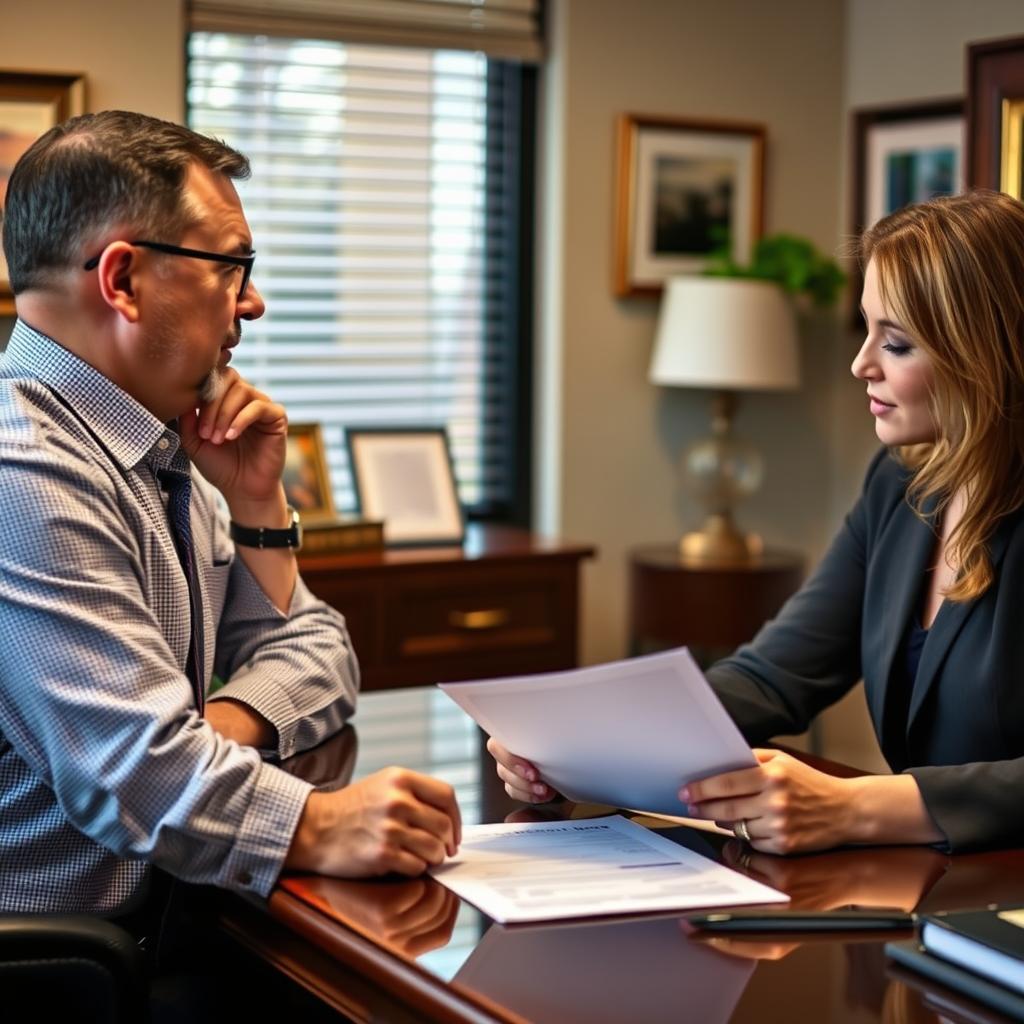
Postnup Lawyer Virginia, VA
You and your spouse have built a life together in Virginia, but changes in your finances, a new business venture, an inheritance, or shifting family dynamics may have introduced uncertainty. A postnuptial agreement—often called a postnup—gives married couples a way to clarify property rights, define spousal support expectations, and plan their financial future while staying married. If you are searching for a Postnup Lawyer in Virginia, VA, Mr. Sris and his Of Counsel at Law Offices Of SRIS, P.C. bring extensive experience to these conversations. Reach our firm at (888) 437‑7747 to schedule a consultation. Law Offices Of SRIS, P.C. – Advocacy Without Borders.
Strategy Options: Why a Married Couple May Consider a Postnuptial Agreement
Many couples assume postnups are only for the wealthy or for couples on the brink of divorce. In reality, a well‑crafted postnuptial agreement serves as a financial planning tool that can strengthen a marriage by removing uncertainty. Spouses often use a postnup to keep a business or professional practice separate property, protecting it from potential division and preserving it for children from a prior relationship. Others use a postnup to document how an inheritance or a gift from family will be treated, to clarify responsibility for debts incurred before or during the marriage, or to set out the terms of spousal support if the marriage should end.
Under Virginia law, postnuptial agreements are governed by the Virginia Premarital Agreement Act, Va. Code § 20‑147 et seq. The same statutory framework that applies to premarital agreements also applies to postnuptial agreements, with one crucial difference: because the parties are already married, the heightened fiduciary duties that Virginia law imposes between spouses can affect how a postnup is later reviewed by a court. Mr. Sris and his Of Counsel work with clients to address these duties transparently, ensuring that both spouses are represented fairly and that the eventual agreement is structured to withstand judicial scrutiny.
What to Expect When You Work with a Postnup Lawyer
The process of negotiating and finalizing a postnuptial agreement typically begins with a candid conversation about what each spouse hopes to accomplish. Both parties must provide full and fair disclosure of their assets, income, and liabilities—material nondisclosure is one of the most common grounds on which a Virginia court may later decline to enforce an agreement. Once the financial picture is clear, the lawyers for each spouse negotiate terms that reflect the couple’s mutual understanding. The final document is reduced to writing, signed by both parties, and executed with the formalities required by Virginia law.
Because a postnuptial agreement must be entered into voluntarily and without coercion, it is important that both spouses have the opportunity to consult with independent counsel. Mr. Sris and his Of Counsel can represent one spouse or help facilitate the process when both spouses are represented. The goal is an agreement that both partners understand and accept—one that a Virginia court will respect if it is ever called into question. The timeline for completing a postnup depends on the complexity of the couple’s finances and the level of negotiation required; open communication and a cooperative approach can keep the process moving efficiently.
Virginia Law on Postnuptial Agreements: What the Court Looks For
Virginia courts evaluate postnuptial agreements under the same enforceability standards applied to premarital contracts. Under Va. Code § 20‑151, an agreement is unenforceable if the party against whom enforcement is sought proves that the agreement was not executed voluntarily, or that the agreement was unconscionable when it was made and, before execution of the agreement, that party did not receive fair and reasonable disclosure of the other party’s property and financial obligations, did not voluntarily and expressly waive such disclosure in writing, and did not have—or reasonably could not have had—an adequate knowledge of the other party’s finances.
Because spouses owe fiduciary duties to each other during the marriage, a postnuptial agreement that would leave one spouse in a significantly less favorable position than the other may receive close scrutiny. Mr. Sris and his Of Counsel consider these standards from the earliest planning stage, helping clients structure agreements that are candid, fair, and consistent with Virginia’s equitable‑distribution principles. When a postnuptial agreement is later presented in a divorce or in a dispute over property classification, a court’s analysis often turns on the same 11 factors listed in Va. Code § 20‑107.3(E), including the contributions of each spouse and the circumstances surrounding the signing of the agreement. By anticipating these factors during the drafting stage, the firm helps clients create enforceable contracts that protect their interests.
About Mr. Sris and His Of Counsel Team
Mr. Sris, Owner and Founder of Law Offices Of SRIS, P.C., has practiced family law since 1997. A former prosecutor, he brings an understanding of how agreements are scrutinized when disputes arise. Mr. Sris testified before the Virginia House Courts of Justice Committee in support of 2019 HB 635 (chief patron Del. David Bulova), a bill that addressed procedural aspects of equitable distribution—giving him direct insight into how Virginia’s family‑law statutes are crafted and interpreted. He is supported by Of Counsel attorneys who are experienced in family law, business valuation, and contract enforcement. Together, Mr. Sris and his Of Counsel bring extensive combined legal experience to postnuptial agreements. Results may vary.
The firm’s Fairfax location serves clients across Northern Virginia and the greater Commonwealth. Meetings are by appointment and can be arranged by calling (888) 437‑7747.
Frequently Asked Questions
What is a postnuptial agreement, and how is it different from a prenup?
A postnuptial agreement is a contract between spouses who are already married that defines their property rights and financial obligations during the marriage, upon separation, or upon the death of a spouse. Unlike a premarital agreement, which is signed before the wedding, a postnup is executed after the marriage has begun. Virginia law applies the same statutory framework—Va. Code § 20‑147 et seq.—to both, but a postnup may be scrutinized more closely because the spouses are already bound by marital fiduciary duties. For many couples, a postnup can clarify financial expectations without the stress of a divorce.
Do both spouses need their own lawyer to create a valid postnup in Virginia?
Virginia law does not require each spouse to have a separate lawyer, but independent legal advice is one of the strongest safeguards against a later challenge to enforceability. A spouse who signs a postnuptial agreement without the advice of independent counsel may later argue that the agreement was not entered into voluntarily. Mr. Sris and his Of Counsel can represent one party or help structure a process where both spouses have the opportunity to consult with their own attorney, reducing the risk that a court will later set the agreement aside.
Can a postnuptial agreement address spousal support?
Yes, a postnuptial agreement can include provisions about spousal support, including waivers or modifications, provided the terms are fair and entered into voluntarily. Virginia courts may uphold such provisions, but if enforcement of the spousal‑support waiver would cause a spouse to become eligible for public assistance, the court may override the waiver. Careful drafting and full financial disclosure are essential to give the spousal‑support provisions the trusted chance of being honored.
What makes a postnuptial agreement unenforceable in Virginia?
A Virginia court may refuse to enforce a postnuptial agreement if one spouse can prove it was not signed voluntarily, if it was unconscionable at the time of execution, or if the challenging spouse did not receive fair disclosure of the other’s finances and did not waive that disclosure in writing. Courts pay particular attention to agreements that leave one spouse in a substantially worse position than the other, especially when the disadvantaged spouse did not have independent legal counsel or sufficient time to review the agreement.
How do I get started with a postnuptial agreement in Virginia?
The first step is a confidential consultation where you can explain your goals and ask questions about the process. Mr. Sris and his Of Counsel will discuss your financial situation, explain how Virginia law would likely treat your assets and debts, and help you decide whether a postnup is the right tool for your circumstances. To request a consultation, reach Law Offices Of SRIS, P.C. at (888) 437‑7747.
Additional Virginia Family Law Resources
If you are considering a postnuptial agreement, you may also have questions about related family law topics. Learn more about how the firm handles divorce in Virginia, child custody and visitation, and equitable distribution of marital property.
Authoritative Virginia Legal Sources
For more information about the statutes that govern postnuptial agreements in Virginia, consult the following official government resources:
- Virginia Code Title 20 (Domestic Relations) — the full text of the Virginia Premarital Agreement Act and related family‑law statutes.
- Virginia Circuit Courts — circuit courts have jurisdiction over divorce and property‑division matters in Virginia.
In Virginia, postnuptial agreements are governed by the Virginia Premarital Agreement Act, Va. Code § 20‑147 et seq.
Source: Virginia Legislative Information System
Reviewed by Mr. Sris, admitted in VA/MD/DC/NJ/NY.
Under Va. Code § 20‑151, a postnuptial agreement is not enforceable if the party against whom enforcement is sought proves it was not executed voluntarily or, if unconscionable when made, that the party did not receive fair disclosure and did not waive it in writing.
Source: Va. Code § 20‑151
Reviewed by Mr. Sris, admitted in VA/MD/DC/NJ/NY.
Attorney advertising. Prior results do not guarantee a similar outcome. Results may vary.
Case results depend on a variety of factors unique to each case. Mr. Sris and his Of Counsel bring extensive combined legal experience.