
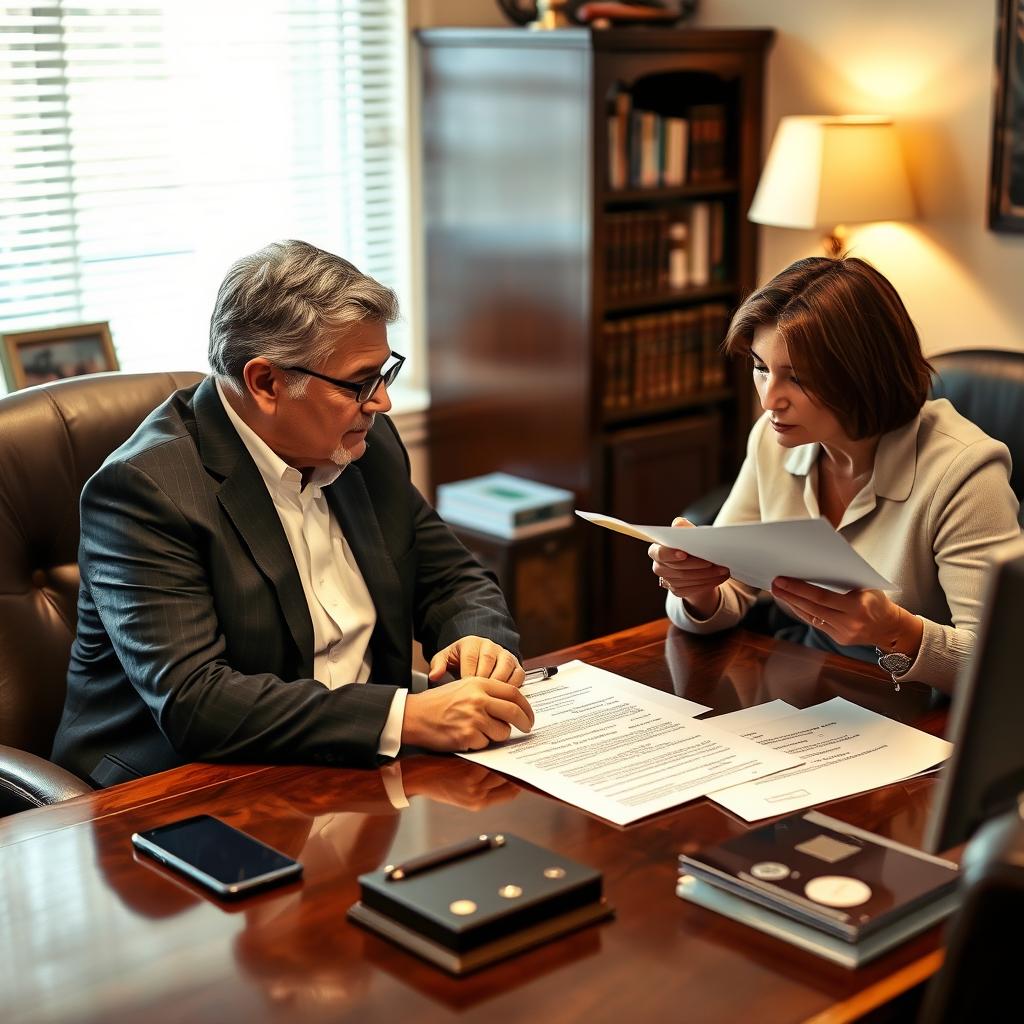
Private Adoption Lawyer Fauquier County, VA
Margaret and David had spent years waiting for the right match. When a birth mother in Warrenton chose them through a private adoption agency, the couple felt relief and joy — but also uncertainty. They knew they needed a lawyer who understood Virginia’s adoption statutes and the Fauquier County court system. A family law attorney guided them through the required consents, home study updates, and the finalization hearing at the Fauquier County Circuit Court on Court Street. For families navigating private adoption in Fauquier County, having experienced legal counsel makes each step clearer. To discuss your adoption matter, reach Law Offices Of SRIS, P.C. at (888) 437-7747. Law Offices Of SRIS, P.C. – Advocacy Without Borders.
What Private Adoption Means in Fauquier County
Private adoption — also called independent or direct-placement adoption — is a legal process where birth parents place a child directly with adoptive parents, often with the help of an attorney or licensed child-placing agency. In Fauquier County, private adoption matters are governed by Virginia Code Title 63.2 (Va. Code § 63.2-1200 et seq.) and are heard in the Fauquier County Circuit Court, located at 6 Court Street, Warrenton. Unlike agency adoptions, private adoptions allow the birth and adoptive families to build a relationship with more direct communication, but they also require strict compliance with Virginia’s consent, notice, and reporting requirements.
Fauquier County sits in Virginia’s Twentieth Judicial District, and its Circuit Court handles the final decree of adoption, including the termination of parental rights and the issuance of a new birth certificate. Because each private adoption involves unique family dynamics — open adoption agreements, interstate placements, or stepparent adoptions — it helps to work with a lawyer who is familiar with the local court’s expectations and the statutory framework.
How Our Approach Works
Adoption is a family-building process that requires careful coordination of paperwork, timelines, and personal decisions. The firm’s approach begins with a thorough review of the family’s situation: the relationship with the birth parents, the child’s background, any existing legal guardianships, and whether the adoption will be contested. Because private adoptions can involve complex issues — such as the rights of a putative father or ICPC (Interstate Compact on the Placement of Children) compliance when a child crosses state lines — Mr. Sris and the firm’s Of Counsel attorneys focus on identifying and resolving obstacles early.
Once the legal groundwork is clear, the firm prepares and files the necessary petitions with the Fauquier County Circuit Court, arranges for service of process, coordinates with the Guardian ad Litem if one is appointed, and ensures that all consent documents meet Virginia’s strict statutory standards. Throughout the proceeding, the firm keeps families informed so they understand each stage, from the preliminary hearing to the final decree.
The Legal Effect of Adoption and What to Expect
When the Fauquier County Circuit Court enters a final order of adoption, the adoptive parents assume all legal rights and responsibilities for the child, and the child gains the same inheritance and support rights as a biological child. The order also severs the legal relationship between the child and the birth parents, unless the adoption is open and the parties have agreed to ongoing contact. Virginia law treats the adoption decree as establishing a parent-child relationship for all purposes, and the child’s original birth certificate is sealed and replaced with a new one listing the adoptive parents.
Prospective adoptive parents should expect the court to review whether the adoption is in the child’s best interests. The judge will examine the home study, assess the child’s adjustment to the adoptive home, and confirm that all required consents were given freely and in proper form. Contested cases — for example, if a birth parent revokes consent within the allowable statutory period — require additional litigation. Having an attorney present at all hearings to present evidence and respond to the court’s inquiries helps the process move as smoothly as possible.
Attorney Credentials
Mr. Sris, Owner and Founder of Law Offices Of SRIS, P.C., practices family law across Virginia, Maryland, the District of Columbia, New Jersey, and New York. Since 1997, the firm has assisted families with private adoptions, contested custody matters, and other family law issues. Mr. Sris and the firm’s Of Counsel attorneys bring extensive combined legal experience, and they work to achieve favorable outcomes in each case. Results may vary.
The firm’s Of Counsel attorneys include practitioners with experience in family law litigation and knowledge of Virginia’s adoption statutes. Their collective background allows the firm to handle adoptions that involve complex questions, such as the interaction between divorce and stepparent adoption or the rights of an incarcerated parent. Mr. Sris testified before the Virginia House Courts of Justice Committee in support of 2019 HB 635 (chief patron Del. David Bulova).
Frequently Asked Questions
How is a private adoption different from an agency adoption in Virginia?
A private adoption is arranged directly between the birth parents and the adoptive parents, usually with the help of an attorney, while an agency adoption involves a licensed child-placing agency that recruits and screens families. In a private adoption, the birth mother may select the adoptive parents, and the parties can negotiate the level of post-adoption contact. Virginia law requires the same home study and court approval for both types, but private adoptions often allow for a more personalized process and can sometimes move faster if the birth parents are identified early.
Do both birth parents have to consent to a private adoption in Fauquier County?
Generally, yes, both birth parents must consent to the adoption, but Virginia law provides exceptions when a parent’s rights have been terminated or the parent cannot be found. The birth mother’s consent may be given no sooner than three days after the child’s birth. A birth father’s consent is required if he has established paternity or registered with the Virginia Birth Father Registry. If a birth parent refuses to consent, the court can terminate parental rights on grounds such as abandonment or unfitness, but that process requires a separate hearing and clear evidence. An experienced family law attorney can explain the consent requirements in detail.
What is a home study and when is it required for a private adoption?
A home study is a written assessment of the adoptive family’s home environment, background, and suitability to adopt, and it is required before the court can finalize a private adoption in Virginia. A licensed social worker or child-placing agency conducts the home study, which includes interviews, home visits, and review of financial, medical, and criminal history information. The study must be completed within the time frame set by Virginia regulations and submitted to the Fauquier County Circuit Court with the adoption petition. The court uses the home study to determine whether the adoption is in the child’s best interests.
Can a stepparent adopt through a private adoption process in Fauquier County?
Yes, a stepparent adoption is a form of private adoption, and Virginia law allows a stepparent to adopt their spouse’s child with the consent of the biological parent and the termination of the other biological parent’s rights. The process involves filing a petition in the Fauquier County Circuit Court, obtaining consent from the spouse (the child’s parent), and either obtaining the other biological parent’s consent or proving grounds for termination — such as abandonment or failure to support. A home study may be waived for stepparent adoptions in some cases, but the court must still find the adoption in the child’s best interests.
What is the role of the Guardian ad Litem in a Fauquier County adoption case?
A Guardian ad Litem is an attorney appointed by the court to represent the child’s best interests and report to the judge, and they are often appointed in contested private adoptions. In Fauquier County, the Guardian ad Litem interviews the child, the adoptive parents, and the birth parents if accessible, and reviews relevant documents. They prepare a written report with a recommendation regarding the adoption. While the Guardian ad Litem’s recommendation is not binding, the court gives it significant weight. The adoptive parents’ attorney can prepare them for the Guardian ad Litem’s visit and address any concerns raised in the report.
How long does a private adoption take in Fauquier County?
The timeline for a private adoption varies depending on whether the adoption is contested, the availability of the birth parents, and the court’s calendar, but an uncontested adoption can often be finalized a few months after the petition is filed. The process includes completing the home study, obtaining all necessary consents, filing the petition, serving any required notices, and attending the finalization hearing. Factors like the need for an interstate compact review or a revocation period for birth parent consent can extend the timeline. An attorney can give a more specific estimate after reviewing the facts of the case.
Do I need a lawyer for a private adoption in Virginia?
Virginia law does not require you to have a lawyer to adopt, but legal representation helps ensure the adoption complies with all statutes and that your rights are protected. An attorney handles the drafting and filing of legal documents, coordinates with the court and any agency, and represents you at hearings. Private adoptions involve detailed paperwork and strict deadlines; mistakes can delay the adoption or even lead to dismissal. Many families find peace of mind knowing an experienced counsel manages the legal aspects while they focus on welcoming the child.
Can a private adoption be open or closed in Fauquier County?
Virginia allows both open and closed adoptions, and the parties can enter into a written post-adoption contact agreement that outlines communication between the birth parents and the adoptive family. Open adoptions may include letters, photos, visits, or other contact, and the agreement can be enforced in court if the parties consent. In closed adoptions, no identifying information is shared, and the child’s original birth certificate is sealed. The adoptive parents and birth parents should discuss their preferences early in the process, and an attorney can draft a legally enforceable agreement that respects everyone’s wishes.
Related practice areas: Family Law Attorney in Fairfax County | Prince William County Family Law | Loudoun County Family Law | Stafford County Family Law | Arlington County Family Law
For a more detailed statutory overview, visit srislawyer.com for the firm’s comprehensive analysis of Virginia family law.
Attorney advertising. Prior results do not guarantee a similar outcome. Results may vary.
Case results depend on a variety of factors unique to each case.