
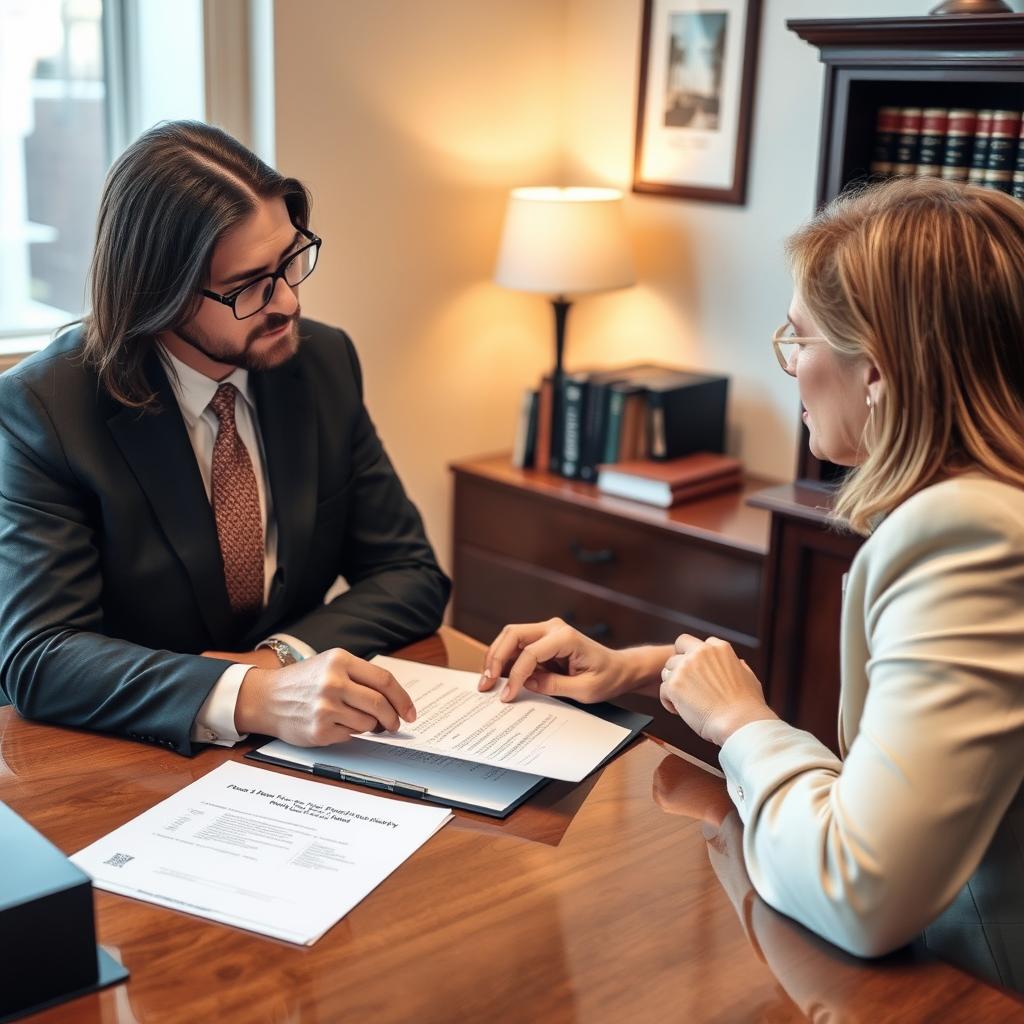
Property Settlement Lawyer Isle of Wight County, VA
Property settlement is one of the most significant financial aspects of any divorce. For individuals ending a marriage in Isle of Wight County, Virginia, how assets, debts, retirement accounts, and real estate are divided can shape your financial future for years to come. Virginia follows the principle of equitable distribution, not automatic 50/50 division, which means the court evaluates multiple statutory factors before deciding what is fair. Whether you own a home in Smithfield, operate a business near Windsor, or hold complex investment accounts, reaching a well-supported property settlement requires careful preparation and a clear understanding of how Virginia law applies to your situation. Mr. Sris, Owner and Founder of Law Offices Of SRIS, P.C., has practiced family law since 1997 and leads a team of experienced multi-state attorneys who assist clients with property division throughout the Commonwealth. To discuss how we can help with your Isle of Wight County property settlement, call (888) 437-7747. Law Offices Of SRIS, P.C. – Advocacy Without Borders.
What Property Settlement Means in Isle of Wight County
Property settlement in a Virginia divorce is the process by which the court—or the parties through an agreement—classifies, values, and distributes marital property and debts. The procedure is governed primarily by Va. Code § 20-107.3, which establishes equitable distribution as the controlling standard. The Isle of Wight County Circuit Court, located within the Fifth Judicial District, has original jurisdiction over divorce and all matters of property division. This court serves the communities of Smithfield, Windsor, Carrollton, and the surrounding county.
Under Virginia’s equitable distribution framework, the court first identifies which assets and obligations qualify as marital property. Generally, property acquired by either spouse during the marriage is presumed marital, while property owned before the marriage or received by gift or inheritance from a third party is classified as separate. The distinction carries real consequences, because separate property is not subject to division. After classification and valuation, the court considers the eleven statutory factors listed in Va. Code § 20-107.3(E) — including the duration of the marriage, each spouse’s contributions to the family’s well-being, the circumstances that contributed to the dissolution, and the tax consequences of a proposed division — to reach a division that is equitable, though not necessarily equal. A complex marital estate that involves a family business, professional practice, multiple real properties, or substantial retirement assets often requires forensic accounting and business valuation, and the procedure in the Isle of Wight County Circuit Court follows the same statutory framework as in other Virginia jurisdictions.
How Mr. Sris and His Of Counsel Handle Property Settlement Cases
When Law Offices Of SRIS, P.C. represents a client in an Isle of Wight County property settlement matter, the legal team begins by building a thorough inventory of all assets and debts, from bank accounts and investment portfolios to real estate, vehicles, business interests, and pension plans. This fact-intensive stage often involves working with accountants and appraisers to establish accurate values, especially when closely held businesses or professional degrees are at issue. Mr. Sris and his Of Counsel attorneys then analyze which items are properly characterized as marital or separate under Virginia law — a step that can significantly shape the final outcome.
From there, the team works toward resolution through negotiation, mediation, or, when necessary, litigation. Many property settlement matters in Isle of Wight County are resolved through a written separation agreement that memorializes the parties’ division of property. Such an agreement, when properly drafted and incorporated into the final divorce decree, can provide certainty and avoid the expense of a contested trial. Where disputes remain, the matter proceeds before the Isle of Wight County Circuit Court, and Mr. Sris and his Of Counsel present the evidence and legal argument necessary to support a fair division under the factors set forth in the statute. Throughout the process, the team focuses on protecting clients’ long-term interests while working toward a resolution that permits both parties to move forward.
About Mr. Sris and His Of Counsel Team
Mr. Sris, Owner and Founder of Law Offices Of SRIS, P.C., brings a unique blend of courtroom experience and statutory insight to property settlement matters. A former prosecutor, he founded the firm in 1997 and is admitted to practice in Virginia, Maryland, the District of Columbia, New Jersey, and New York. Mr. Sris testified before the Virginia House Courts of Justice Committee in support of 2019 HB 635 (chief patron Del. David Bulova), legislation that refined the equitable distribution provisions of Va. Code § 20-107.3. This firsthand involvement with the statute gives him a deep working knowledge of how property-division rules operate in Virginia courts.
Mr. Sris is supported by a team of Of Counsel attorneys, experienced lawyers who collectively bring multi-state background and substantial family-law litigation experience to every case. The firm’s Richmond location serves clients throughout Isle of Wight County, including matters filed in the Circuit Court. Because the firm has no associate or partner attorneys — all non-Sris lawyers serve as Of Counsel — clients benefit from a collaborative approach that draws on varied legal perspectives while keeping Mr. Sris’s guidance at the center of every matter. Consultations are available in English, Spanish, and Tamil. To schedule a consultation, call (888) 437-7747.
Frequently Asked Questions
What is a property settlement agreement in a Virginia divorce?
A property settlement agreement is a written contract between spouses that resolves how marital assets, debts, and other financial matters will be divided. In Virginia, these agreements are governed by Va. Code § 20-109 and can resolve all issues of property division, spousal support, and attorney fees without a trial. When properly drafted and voluntarily signed by both parties, the agreement is submitted to the Isle of Wight County Circuit Court and, if found to be fair and equitable, will be incorporated into the final divorce decree. A well-prepared agreement can reduce conflict and provide certainty, but it is essential that each party fully understands the financial consequences before signing.
How does the Isle of Wight County Circuit Court decide what is fair?
The court applies the eleven factors listed in Va. Code § 20-107.3(E) to reach an equitable — not necessarily equal — division of marital property. These factors include the duration of the marriage, the ages and physical condition of each spouse, each party’s monetary and non-monetary contributions to the family, the circumstances experienced to the divorce, and the tax implications of any proposed division. The judge weighs all relevant evidence presented by both sides. Because the statutory standard allows significant judicial discretion, having an attorney who can build a persuasive factual record is critical for achieving a fair outcome in Isle of Wight County.
What property is excluded from division under Virginia law?
Separate property — generally assets owned before the marriage or received during the marriage as a gift or inheritance from someone other than your spouse — is not subject to equitable distribution. The classification process is not always straightforward; for example, if separate property has been commingled with marital funds or increased in value due to the active efforts of either spouse, part of it may be subject to division. The court will scrutinize the origin and handling of disputed assets. Retracing separate property through documentary evidence is a common focus in complex property settlement litigation, particularly when significant premarital assets or family inheritances are involved.
Can we agree on property division without going to trial?
Yes; many divorcing couples in Isle of Wight County resolve property division through a negotiated separation agreement and never set foot in a courtroom. The parties can work with their respective attorneys to identify all marital property, value it, and draft a settlement that both sides find acceptable. Mediation is another option that allows a neutral third party to facilitate discussions. A signed agreement that meets the statutory requirements can then be presented to the Circuit Court as part of an uncontested divorce. Reaching an agreement early can save time and legal expense, but each party should have independent legal advice to ensure their rights are protected.
Do I need a lawyer for property settlement in Isle of Wight County?
While Virginia law does not require you to hire a lawyer, property settlement involves complex legal and financial questions that are difficult to navigate without counsel. An experienced family law attorney can help you identify assets that may be overlooked, classify separate property correctly, and evaluate whether a proposed settlement is fair under the statutory factors. If your case involves a business, substantial retirement accounts, or real estate in multiple states, professional guidance is especially important. Mr. Sris and his Of Counsel team represent clients at all stages of property settlement, from initial negotiation through trial, and can help you understand your options before you make decisions that have long-term consequences.
What should I bring to a consultation with a property settlement lawyer?
It is helpful to gather a list of all assets and debts you are aware of, including recent statements for bank accounts, investment accounts, retirement plans, credit cards, mortgages, and any business interests. Copies of tax returns for the past several years, real estate deeds, vehicle titles, and any existing prenuptial or separation agreements are also valuable. Even if you do not have every document, an initial consultation will allow the attorney to explain how Virginia law applies to your situation and outline the steps necessary to move forward. To schedule a meeting with Mr. Sris or his Of Counsel, call (888) 437-7747.
Virginia Equitable Distribution Resources
For additional information on the statutes that govern property settlement in Virginia, you may consult the following official sources:
- Virginia Code Title 20 — Domestic Relations (includes Va. Code § 20-107.3, § 20-91, § 20-109)
- Virginia Judicial System — court information and forms
Attorney advertising. Prior results do not guarantee a similar outcome. Results may vary.
Case results depend on a variety of factors unique to each case.