
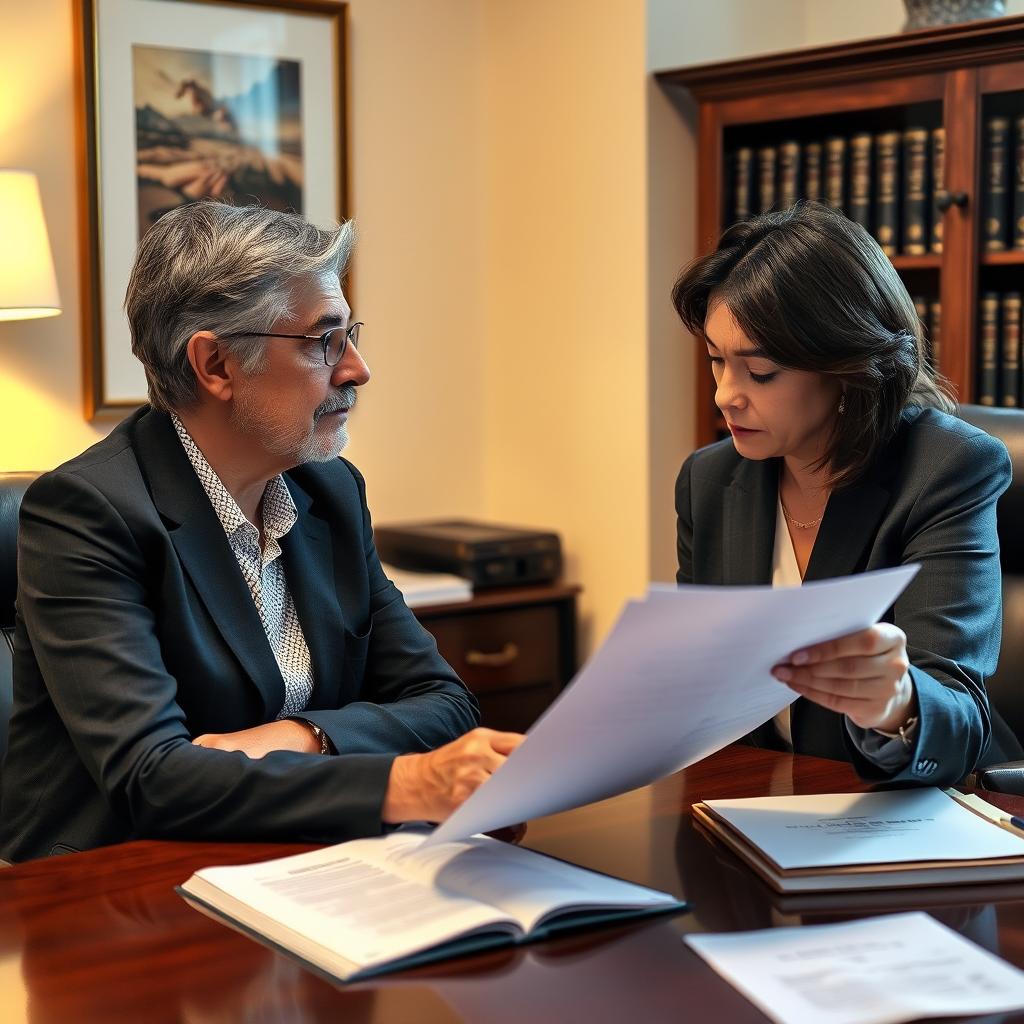
Spousal Support Lawyer Virginia, VA
You are ending a marriage in Virginia and the question of spousal support has come up. Maybe you are concerned about having to make monthly payments for years. Or perhaps you are worried about how you will manage financially without support from your spouse. The Virginia spousal support statute — Va. Code § 20‑107.1 — gives the court broad authority to order periodic payments or a lump sum, but the outcome turns on thirteen specific factors. Working with an experienced spousal support lawyer can help you present the facts that matter to the court. At Law Offices Of SRIS, P.C., we represent clients throughout Virginia in spousal support matters. Reach our firm at (888) 437‑7747 for a consultation. Law Offices Of SRIS, P.C. – Advocacy Without Borders.
What Spousal Support Means Under Virginia Law
In Virginia, spousal support — also called alimony — is money one spouse pays to the other after separation or divorce. It is not automatic. The court decides whether to award support, how much, and for how long based on the factors listed in Va. Code § 20‑107.1. These factors include the earning capacity, age, and health of each spouse; the length of the marriage; the standard of living established during the marriage; and the contributions each spouse made to the family. Virginia is an equitable distribution state, meaning the division of marital property can also affect the need for and amount of spousal support. A spouse who receives a larger share of the marital estate may need less ongoing support, and vice versa.
A spousal support determination is highly fact‑specific. The court looks at the actual financial picture of each spouse, not just job titles. For example, a spouse who stayed home to raise children may have a diminished earning capacity even if they hold a degree. The support award can be temporary (pendente lite, while the divorce is pending), rehabilitative (for a set period to allow a spouse to obtain education or training), or permanent (indefinite duration, reserved for long‑term marriages where one spouse cannot become self‑supporting). Whether you are the potential payor or recipient, what you say and how you marshal the financial evidence can make a substantial difference in the outcome.
Spousal support is decided by the Virginia Circuit Court in the county where the divorce is filed. The court has the power to order support even before the divorce is final. After the divorce, either spouse may ask the court to modify the award if there has been a material change in circumstances. Enforcement and contempt proceedings are also heard in the Circuit Court or, in some situations, the Juvenile and Domestic Relations District Court. Having counsel who is familiar with the judges and the local practices in the circuit where your case is pending can help you understand what to expect, though every case is decided on its own facts.
How Mr. Sris and His Of Counsel Approach Spousal Support Matters
When a client comes to us with a spousal support issue, we start by getting a complete picture of the household finances — income, expenses, assets, debts, and each spouse’s realistic earning capacity. We then identify which of the thirteen statutory factors weigh most heavily in the client’s favor. If a negotiated settlement is possible, we work toward a separation agreement that addresses support in a way both sides can live with. If the case must go to trial, we prepare the client to present clear, credible evidence to the judge.
We also pay attention to the interplay between spousal support and the equitable distribution of property. In some cases, a larger share of the marital property can offset the need for ongoing support payments. In other cases, support is the better vehicle because it is modifiable and based on need. Our role is to help the client weigh these options and make informed decisions. Because every marriage and every financial situation is different, there is no one‑size‑fits‑all answer. Mr. Sris and his Of Counsel bring substantial experience in Virginia family law to that analysis.
Throughout the process, we keep the client informed about what to expect. Discovery — exchanging financial documents and sometimes deposing witnesses — can take time. Settlement conferences with the other side may occur multiple times. If the case goes to a hearing, the client will have the opportunity to testify and to call other witnesses. We prepare the client for that experience so they can walk into the courtroom with confidence.
About Mr. Sris and His Of Counsel Team
Mr. Sris, Owner and Founder of Law Offices Of SRIS, P.C., has been practicing since 1997. He is a former prosecutor who has spent his career in the courtroom, and he handles family law matters throughout Virginia. Mr. Sris testified before the Virginia House Courts of Justice Committee in support of 2019 HB 635 (chief patron Del. David Bulova). That bill revised the equitable distribution statute, Va. Code § 20‑107.3, and gave him a close‑up view of how Virginia law treats marital property and spousal support.
Mr. Sris works alongside a team of Of Counsel attorneys who handle family law matters in Virginia. Together they draw on substantial collective experience representing clients in contested and uncontested spousal support cases. The firm’s attorneys are admitted in Virginia, Maryland, the District of Columbia, New Jersey, and New York. This broad geographic reach is helpful for clients with ties to more than one jurisdiction. For your spousal support matter in Virginia, you will work directly with Mr. Sris or an Of Counsel attorney who will guide you through the process. The firm has its main Fairfax location at 4008 Williamsburg Court, Fairfax, VA 22032. Meetings are by appointment; please call (888) 437‑7747 to schedule.
What to Expect in a Virginia Spousal Support Case
After one spouse files for divorce and requests spousal support, the court may hold a pendente lite hearing to set temporary support while the divorce is pending. The timeline for that hearing is set by the court’s calendar. If the parties cannot agree on a permanent award, the case proceeds through discovery and eventually to a final hearing or trial. At trial, each side presents evidence about the thirteen statutory factors. The judge then issues a written ruling or announces the decision from the bench.
The length of time a support order lasts depends on the type of award. A rehabilitative award ends after a specified period, such as the time it takes the recipient spouse to complete a degree or job training program. A permanent award continues indefinitely but can be modified if the recipient spouse remarries, cohabitates in a marriage‑like relationship, or if either spouse experiences a material change in circumstances such as a significant change in income. It is important to understand that spousal support obligations do not automatically end; a party who wants to stop paying must petition the court. Conversely, a recipient who believes the payor is hiding income can ask the court to increase the award. Enforcement tools include income withholding, contempt proceedings, and the possibility of jail time for willful non‑payment.
The procedural steps can feel overwhelming, especially if you are also dealing with child custody or property division issues at the same time. We work to keep the process as straightforward as possible, explaining each stage and what is expected of you. You will be asked to provide detailed financial records — tax returns, pay stubs, bank statements, and information about your living expenses. Being organized and honest with your lawyer helps us present your strong case.
Frequently Asked Questions
What is spousal support in Virginia?
Spousal support is a court‑ordered payment from one spouse to the other after separation or divorce, intended to provide financial assistance and reduce any unfair economic disparity between the spouses. It can be temporary, rehabilitative, or permanent, depending on the circumstances of the marriage and each spouse’s ability to become self‑supporting. The court decides whether support is warranted using the factors in Va. Code § 20‑107.1. For guidance on your specific situation, reach Law Offices Of SRIS, P.C. at (888) 437‑7747.
How does a Virginia court decide spousal support?
A Virginia judge must consider thirteen statutory factors, including each spouse’s earning capacity, age, health, the length of the marriage, the standard of living during the marriage, and contributions to the family. No single factor is controlling; the court weighs them together to reach a fair result. The judge also looks at the property division, because a spouse who receives more of the marital assets may need less support.
Can spousal support be modified after the divorce?
Yes, a spousal support award can be modified if the party seeking the change shows a material change in circumstances that was not anticipated at the time of the original order. Common examples include a substantial increase or decrease in either spouse’s income, the recipient spouse’s remarriage, or cohabitation in a marriage‑like relationship. Either spouse may petition the court for a modification.
What happens if I do not pay court‑ordered spousal support?
Failure to pay can lead to wage garnishment, seizure of tax refunds, suspension of a driver’s or professional license, and contempt proceedings. A judge can order you to pay the arrearage plus interest and attorney fees. In egregious cases, a willful refusal to pay can result in jail time. If you anticipate difficulty making payments, you should petition the court for a modification before you fall behind.
Do I need a lawyer for a spousal support case in Virginia?
You are not required to have a lawyer, but the spousal support statute requires the court to examine detailed financial evidence, and a lawyer can help you gather and present that evidence effectively. Without legal guidance, it is easy to overlook important factors or to agree to an award that does not fully account for your rights. We recommend consulting an attorney before signing any separation agreement that addresses support.
How can I request a consultation about my spousal support matter?
Call Law Offices Of SRIS, P.C. at (888) 437‑7747 to schedule a consultation. You will speak with a member of our team who can set up an appointment at our Fairfax location or by phone. We represent clients across Virginia, including Fairfax, Arlington, Loudoun, Prince William, and throughout the Commonwealth. Calls are answered 24 hours a day.
Outbound primary‑source authority:
- Virginia Code § 20‑107.1 – Spousal Support Factors
- Virginia Circuit Courts Directory
- Virginia Code Title 20 – Domestic Relations
Contact Law Offices Of SRIS, P.C. Today to discuss your spousal support matter.
Main Fairfax location (by appointment): 4008 Williamsburg Court, Fairfax, VA 22032
Phone: (888) 437‑7747
Attorney advertising. Prior results do not guarantee a similar outcome.
Results may vary. Case results depend on a variety of factors unique to each case.