
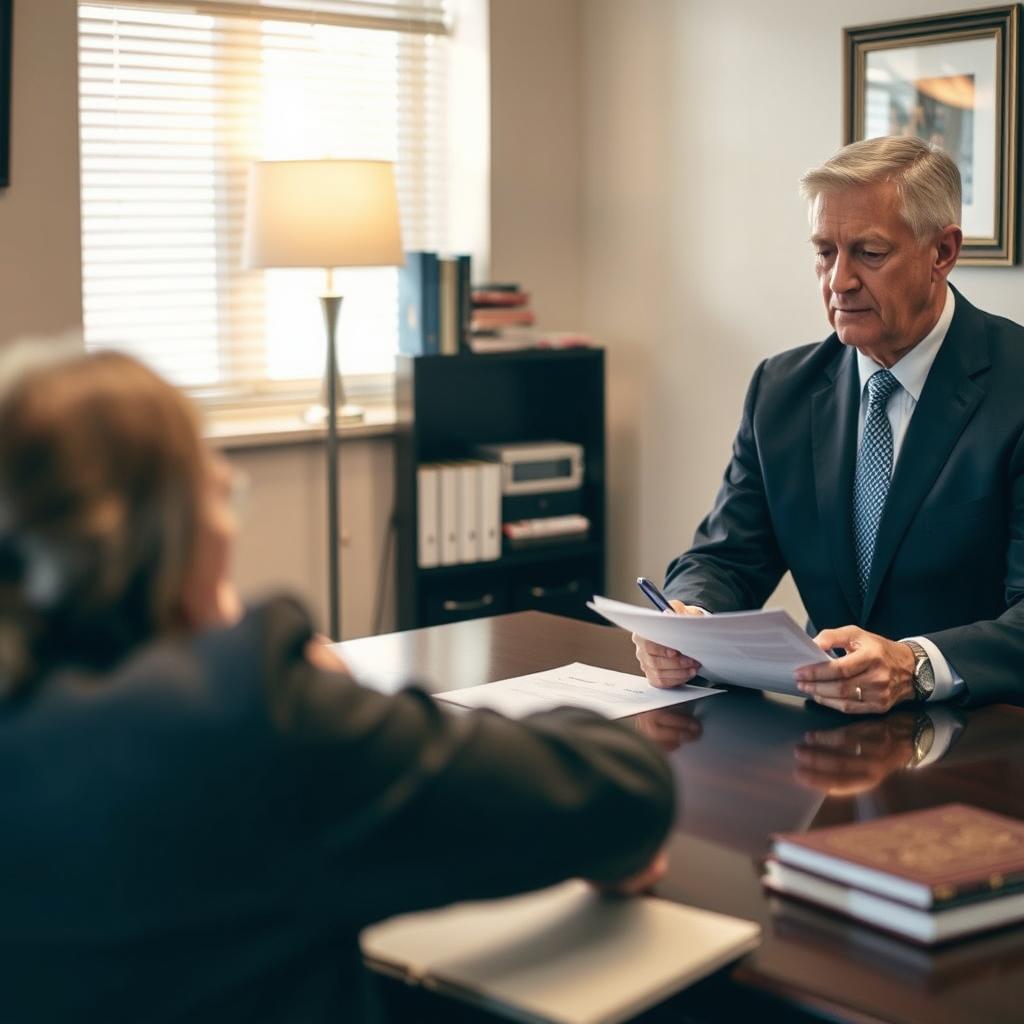
Standby Guardianship Lawyer Louisa County, VA
Standby guardianship gives a parent the ability to plan for a future when they may not be able to care for their child—whether because of illness, incapacity, or other circumstances—while still maintaining their own parental role until a designated triggering event occurs. In Virginia, standby guardianship is governed by Va. Code § 64.2‑2000 et seq. And can be pursued in the Louisa County Juvenile & Domestic Relations District Court or the Louisa County Circuit Court, both located at 100 West Main Street, Louisa, VA 23093. Mr. Sris and his Of Counsel team at Law Offices Of SRIS, P.C., practicing since 1997, represent clients across Virginia in these sensitive family law matters. From the firm’s Richmond location, they assist Louisa County families with preparing and filing the necessary petitions, ensuring all statutory requirements are met. To discuss a standby guardianship arrangement for your family, call (888) 437‑7747. Law Offices Of SRIS, P.C. – Advocacy Without Borders.
Standby Guardianship Under Virginia Law
A standby guardian is a person a parent designates to assume the care and custody of a child at a future time when the parent is unable to do so—most often because of a progressive illness, terminal condition, or an impending absence such as military deployment. Unlike a traditional guardianship, a standby guardianship does not immediately strip the parent of legal rights. The parent retains full authority until a triggering event specified in the court order occurs, at which point the standby guardian’s authority activates automatically. This allows a parent to make long-term childcare plans while still being the primary caregiver for as long as possible.
In Louisa County, standby guardianship petitions are filed in the appropriate court depending on the circumstances. The Louisa County Juvenile & Domestic Relations District Court handles cases involving custody and child welfare, while the Louisa County Circuit Court has jurisdiction over matters arising in divorce, equitable distribution, or other family litigation. Virginia courts apply the trusted‑interests‑of‑the‑child standard and consider the parent’s written designation, the child’s relationship with the proposed guardian, and any relevant history of family abuse or neglect. The process requires careful compliance with statutory notice and consent requirements, and an experienced family law attorney can help ensure that all procedural steps are followed correctly.
How Mr. Sris and His Of Counsel Approach Standby Guardianship Matters
Mr. Sris and his Of Counsel understand that planning for a child’s future when facing a parent’s health crisis or other life‑altering event is one of the most difficult decisions a family can make. The firm’s approach centers on clear communication, thorough preparation of court documents, and careful navigation of Virginia’s statutory framework. Each standby guardianship petition must include specific allegations, attach the parent’s written designation, and outline the triggering event. The petition is then served on all interested parties, and the court schedules a hearing.
At the hearing, the court reviews the petition, any objections, and the evidence presented. The attorney’s role is to present the parent’s wishes and the child’s best interests persuasively while addressing any concerns raised by the court or other family members. Throughout the process, Mr. Sris and his Of Counsel coordinate with medical professionals, social workers, or other advisors as appropriate—without substituting their own judgment for that of licensed attorneys. They work to secure a durable court order that gives families peace of mind and ensures continuity of care for the child. Every case is unique, and the timeline depends on court scheduling, the complexity of the family situation, and whether any contested issues arise.
Frequently Asked Questions
What is standby guardianship in Virginia?
Standby guardianship in Virginia is a legal process allowing a parent to designate a person who will automatically assume guardianship of a child upon the occurrence of a specified future event, such as the parent’s death or incapacity. This arrangement is codified at Va. Code § 64.2‑2000 et seq. And is often used by parents facing serious illness, military deployment, or other situations that may prevent future care. The parent remains the child’s legal guardian until the triggering event happens.
Who can file for standby guardianship in Louisa County?
A parent of a minor child can file a petition for standby guardianship in Louisa County courts. The petition may be filed in the Louisa County Juvenile & Domestic Relations District Court or the Louisa County Circuit Court, depending on related legal matters. The parent must meet Virginia’s residency requirements and serve notice on the other parent or legal custodian unless waived. An attorney can help verify eligibility and prepare the required documentation.
What is the difference between standby guardianship and a regular guardianship?
A regular guardianship takes effect immediately upon court order and generally displaces the parent’s rights; a standby guardianship is future‑oriented and the parent keeps full authority until a specified triggering event occurs. This key distinction matters when a parent has a progressive condition or a predictable future absence. The standby arrangement provides continuity without prematurely removing the parent from the child’s life.
How do I petition the court for standby guardianship in Virginia?
You begin by filing a petition with the appropriate Louisa County court that includes the child’s information, the proposed standby guardian’s name, the triggering event, and a written designation signed by the parent. The petition must comply with the procedural rules of Va. Code § 64.2‑2000 et seq. Notice is given to the other parent or legal custodian, and a hearing is scheduled. At the hearing, the court considers the child’s best interests and the suitability of the proposed guardian.
What triggers a standby guardian’s authority?
The standby guardian’s authority is triggered by the event specified in the court order—commonly the parent’s death, a physician’s certification of incapacity, or the parent’s written consent that the guardian should assume duties. The trigger must be clearly defined in both the parent’s designation and the court’s order. Once the event occurs, the standby guardian’s authority is activated without the need for a new court proceeding, though the guardian may need to file an acceptance with the court.
Do I need a lawyer for standby guardianship in Louisa County?
Virginia law does not require an attorney for a standby guardianship petition, but legal guidance is strongly recommended because the petition must meet precise statutory requirements and any procedural error can delay the order or result in denial. An experienced family law attorney can help draft the petition, ensure proper notice, gather supporting evidence, and represent the parent at the hearing. Mr. Sris and his Of Counsel have extensive experience with Virginia guardianship matters and can assist families in Louisa County.
How long does a standby guardianship case take?
The timeline for a standby guardianship case depends on the court’s docket, whether the petition is contested, and the complexity of the family’s circumstances. Uncontested petitions may proceed more quickly once the required notices are complete, but no specific timeframe can be past results do not guarantee a similar outcome. The Louisa County courts schedule hearings based on available dates. An attorney can help expedite the process by preparing a complete, well‑supported filing.
What are the responsibilities of a standby guardian?
Once activated, a standby guardian assumes the legal authority and responsibilities of a permanent guardian—providing care, making medical and educational decisions, and managing the child’s day‑to‑day welfare. The standby guardian must act in the child’s best interests and comply with any court‑ordered reporting or accounting requirements. The scope of authority is set by the court order and Virginia law.
Can a standby guardian be removed or replaced?
Yes, a standby guardianship order can be modified or revoked by the court upon a showing of changed circumstances or if the guardian is no longer suitable. The parent, the guardian, or another interested party can petition the court to modify the arrangement. The court will evaluate whether the change serves the child’s best interests. Legal representation can help present the evidence necessary to support or oppose a modification.
How do I reach a standby guardianship lawyer in Louisa County, Virginia?
You can contact Law Offices Of SRIS, P.C. by calling (888) 437‑7747 to schedule a consultation about standby guardianship. The firm’s Richmond location serves clients in Louisa County and the surrounding communities including Louisa, Mineral, and Zion Crossroads. Consultations are available by appointment, and the team can discuss your situation and the steps needed to initiate or defend a standby guardianship proceeding.
About Mr. Sris and His Of Counsel Team
Mr. Sris, Owner and Founder of Law Offices Of SRIS, P.C., has practiced law since 1997 and is admitted in Virginia, Maryland, the District of Columbia, New Jersey, and New York. He is a former prosecutor. Mr. Sris and his Of Counsel team bring extensive combined legal experience to family law matters, including guardianship proceedings. The firm has documented case results across Virginia, including 30 outcomes in Louisa County across various practice areas. Results may vary. For standby guardianship guidance, reach the firm at (888) 437‑7747.
Related Family Law Services in Virginia:
Fairfax County family law lawyer |
Prince William County family law attorney |
Manassas family law lawyer
Virginia Legal Resources:
Virginia Code Title 64.2 – Wills, Trusts, and Fiduciaries |
Louisa County Circuit Court |
Virginia Juvenile & Domestic Relations District Courts
Attorney advertising. Prior results do not guarantee a similar outcome.
Case results depend on a variety of factors unique to each case.