
Note: This article is confirmed by Law Offices Of SRIS, P.C.
AUTHOR BIO:WRITTEN BY
Since 1997, Mr. Sris has led the firm, focusing on the most challenging criminal and family law cases. His background in accounting and information management aids in financial and technology-related cases. Involved in significant legislative changes in Virginia. My focus since founding the firm in 1997 has always been directed towards personally handling the most challenging and involved criminal and family law matters our clients face.
Supervised Visitation Lawyer Goochland VA
What is supervised visitation
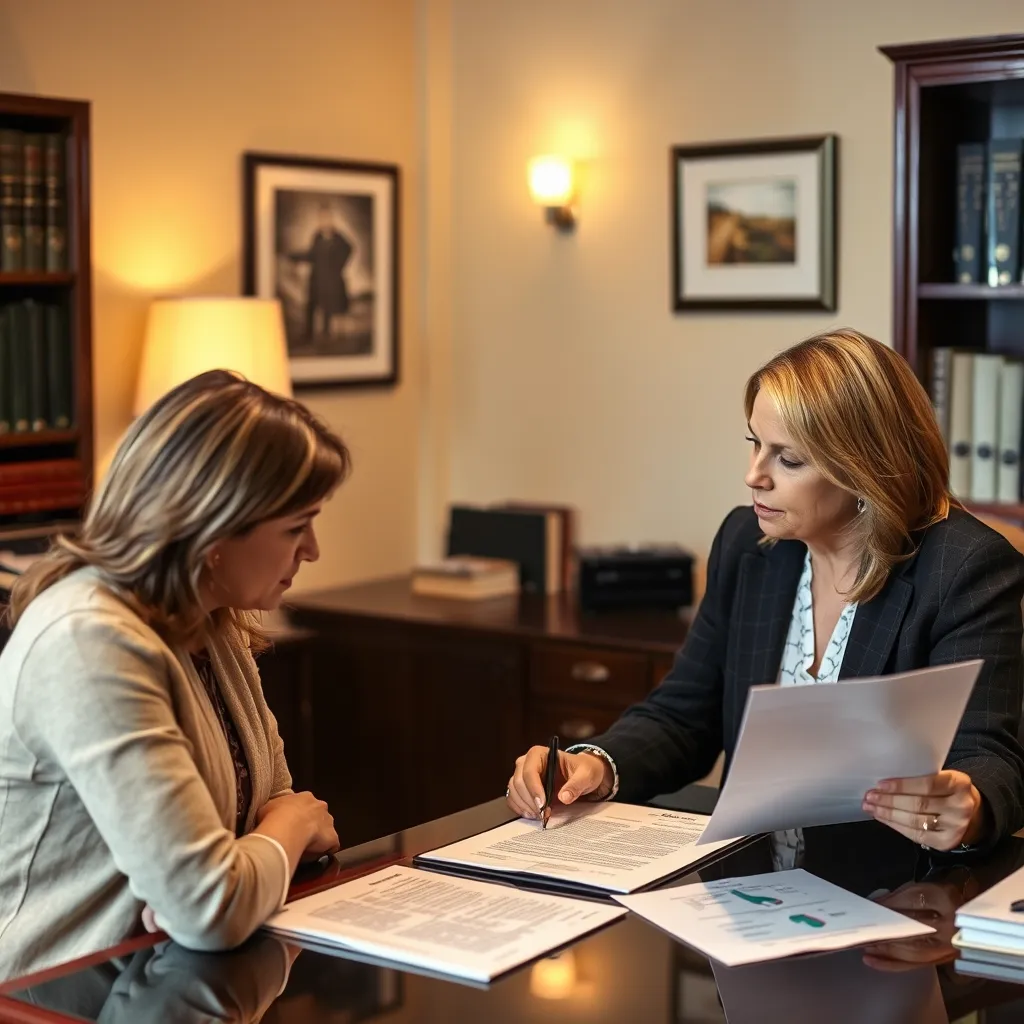
Supervised visitation represents a court-ordered parenting arrangement where interactions between a parent and child occur under the observation of a neutral third party. This legal structure emerges when courts identify potential risks to a child’s safety or wellbeing during unsupervised contact. The monitoring individual could be a professional supervisor, family member, or agency representative approved by the court. These visits follow specific guidelines regarding location, duration, and acceptable behaviors during interactions.
Establishing supervised visitation involves several procedural steps. First, a party must file a motion requesting supervised parenting time, typically supported by evidence demonstrating safety concerns. Courts then evaluate whether supervision represents the least restrictive option that still addresses identified risks. Judges consider factors like past domestic violence, substance abuse issues, mental health concerns, or allegations of child neglect. The requesting party bears the burden of showing why unsupervised visitation would pose unacceptable risks.
Defense strategies for parents facing supervised visitation requests focus on demonstrating safety and capability. Legal representation can help present evidence of rehabilitation, stable living conditions, and parenting skills. Attorneys may propose alternative arrangements like gradually increasing visitation rights as parents meet specific conditions. Developing effective legal arguments requires thorough documentation and strategic presentation of a parent’s commitment to child welfare.
Professional legal guidance provides vital perspective on supervised visitation matters. Attorneys understand how local courts interpret evidence and what standards apply to modification requests. They can help parents handle the emotional challenges while maintaining focus on legal requirements. Law Offices Of SRIS, P.C. has locations in Goochland, Virginia, providing accessible legal support for families addressing these sensitive matters.
Reality Check: Supervised visitation means someone watches every interaction. This arrangement continues until courts see consistent, safe behavior over time.
How to establish monitored visitation
Establishing monitored visitation arrangements follows a structured legal process designed to protect children while preserving parental relationships. The procedure begins with filing a formal motion requesting supervised parenting time in the appropriate Goochland court. This document must clearly articulate why supervision represents a necessary protective measure. Supporting evidence might include police reports, medical records, witness statements, or documentation of concerning behaviors. The motion should propose specific visitation terms including frequency, duration, location, and supervisor qualifications.
The action steps involve careful preparation and strategic presentation. After filing the initial motion, parties typically participate in mediation or settlement conferences to explore potential agreements. If resolution proves impossible, the court schedules a hearing where both sides present evidence and arguments. Parents should gather all relevant documentation demonstrating safety concerns or, conversely, their fitness for unsupervised visitation. This might include completion certificates for parenting classes, substance abuse treatment records, or character references from reliable sources.
Defense options for parents opposing supervised visitation focus on demonstrating safety and capability. Legal representation can help present counter-evidence showing rehabilitation efforts, stable living conditions, and positive parenting history. Attorneys may propose graduated visitation plans that start with supervision but transition to unsupervised time as specific conditions get met. Alternative arrangements like therapeutic visitation with mental health professionals might address court concerns while maintaining parent-child connections.
Professional insight reveals that courts prefer arrangements protecting children while preserving family bonds whenever possible. Judges consider the least restrictive option that adequately addresses safety concerns. Legal professionals understand what evidence carries weight in Goochland courts and how to present information effectively. They can help parents understand realistic expectations and develop strategies aligned with judicial preferences in family law matters.
Straight Talk: Courts need clear evidence, not just worries. Document specific incidents and patterns that show actual risk to the child.
Can I modify supervised parenting arrangements
Modification of supervised parenting arrangements represents a common legal process when circumstances change significantly. Courts recognize that family situations evolve, and visitation terms may require adjustment to reflect current realities. The modification process begins with filing a formal petition detailing the requested changes and supporting evidence. Parents must demonstrate substantial changes in circumstances that justify altering the existing court order. This might include completion of rehabilitation programs, resolution of mental health concerns, establishment of stable housing, or extended periods of successful supervised visitation.
The action process for modification involves several key steps. First, gather comprehensive documentation showing positive changes since the original order. This could include treatment completion certificates, clean drug test results, stable employment records, or positive reports from visitation supervisors. Next, file a modification petition with the appropriate Goochland court, clearly explaining why current arrangements no longer serve the child’s best interests. Many courts require mediation attempts before scheduling hearings, providing opportunities for negotiated settlements.
Defense strategies for modification requests focus on demonstrating sustained improvement and reduced risk. Legal representation helps organize evidence systematically and present compelling narratives of rehabilitation. Attorneys might propose graduated modification plans where supervision gradually decreases as parents demonstrate consistent responsible behavior. They can help address any remaining concerns the court or other parent might raise about proposed changes.
Professional authority indicates that courts generally favor modifications that maintain child safety while supporting healthy parent-child relationships. Judges look for evidence of meaningful, lasting change rather than temporary improvements. Legal professionals understand what standards Goochland courts apply to modification requests and how to present evidence effectively. They can guide parents through the emotional aspects while maintaining focus on legal requirements and strategic objectives.
Blunt Truth: Courts want proof, not promises. Show consistent behavior changes over months, not just recent improvements.
Why hire legal help for supervised visitation
Obtaining legal assistance for supervised visitation matters offers significant advantages in protecting parental rights and child welfare. Family law proceedings involve involved procedures and evidentiary standards that benefit from professional handling. Attorneys understand how to present safety concerns or parental capabilities in ways that resonate with Goochland judges. They can help gather appropriate documentation, prepare persuasive legal arguments, and handle court requirements efficiently. Legal representation becomes particularly valuable when emotions run high, ensuring decisions reflect legal standards rather than reactive responses.
The action steps with legal help follow a more structured and effective path. Attorneys begin by thoroughly evaluating the situation, identifying strengths and potential concerns. They develop strategic approaches tailored to specific circumstances and local court preferences. Legal professionals handle document preparation, ensuring filings meet technical requirements and present information compellingly. They coordinate with other professionals like child psychologists, social workers, or visitation supervisors to build comprehensive cases. During court proceedings, attorneys present arguments professionally while protecting clients from procedural missteps.
Defense and advocacy strategies benefit significantly from legal experienced lawyer. Attorneys can propose creative solutions that address court concerns while preserving parent-child relationships. They might suggest specific supervisor qualifications, visitation settings, or gradual progression plans that satisfy safety requirements while supporting family bonds. Legal professionals understand how to counter opposing arguments effectively and highlight their clients’ strengths. They can negotiate settlements that serve children’s interests while avoiding protracted litigation.
Professional insight reveals that courts respond favorably to well-prepared, reasonable presentations. Judges appreciate when parties demonstrate understanding of child welfare priorities and propose practical solutions. Legal representation helps parents present themselves as responsible, child-focused individuals committed to safe parenting. Attorneys provide realistic assessments of what courts will likely approve, helping clients avoid unrealistic expectations while pursuing achievable outcomes.
Reality Check: Going alone risks missing important steps. Courts follow specific rules, and mistakes can delay outcomes or weaken your position.
FAQ:
What does supervised visitation mean?
Supervised visitation means a neutral person observes parent-child interactions. Courts order this when safety concerns exist but maintaining family relationships remains important.
Who can be a visitation supervisor?
Supervisors can be professionals, approved family members, or agency staff. Courts typically require neutral individuals without conflicts of interest in the case.
How long does supervised visitation last?
Duration varies based on individual circumstances. Courts may order supervision for specific periods or until certain conditions get met through demonstrated behavior.
Can supervised visits occur at my home?
Location depends on safety assessments. Some visits happen at neutral sites, while home visits might be approved with appropriate safeguards in place.
What happens if rules get broken during visits?
Rule violations can lead to visit termination and court review. Supervisors document concerns, and courts may adjust arrangements based on reported incidents.
How much does supervised visitation cost?
Costs vary based on supervisor type and visit frequency. Professional supervisors charge fees, while family members might supervise without payment in some cases.
Can I choose my own supervisor?
Courts must approve all supervisors. Parties can suggest candidates, but judges make final decisions based on neutrality and qualification assessments.
What evidence supports ending supervision?
Evidence includes treatment completion, stable behavior patterns, and positive supervisor reports. Courts look for consistent demonstration of safety and responsibility.
Past results do not predict future outcomes