
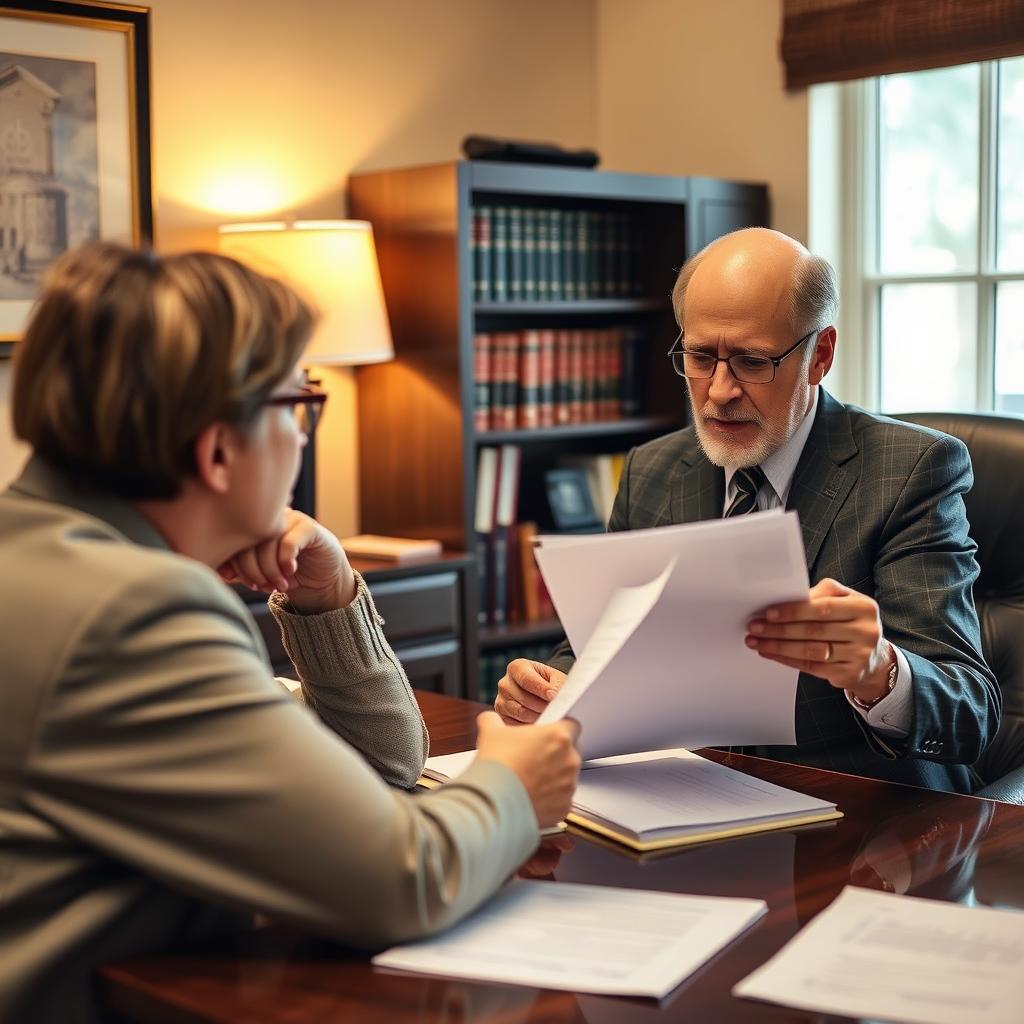
Trial Separation Lawyer Dinwiddie County, VA
When a marriage reaches a difficult point, couples in Dinwiddie County sometimes consider a trial separation to evaluate whether to work toward reconciliation or proceed with divorce. In Virginia, the term “trial separation” is not a formal legal status, but the period of living apart can become the foundation for a no‑fault divorce under Va. Code § 20‑91(9). Your decisions during this time—about children, finances, and the home—can shape the outcome of a future family law matter. At Law Offices Of SRIS, P.C., Mr. Sris and his Of Counsel help clients in Dinwiddie County understand how a separation fits into Virginia’s legal framework and work toward practical solutions. For a consultation, reach our location at (888) 437‑7747. Law Offices Of SRIS, P.C. — Advocacy Without Borders.
What Trial Separation Means in Dinwiddie County
In Virginia, there is no court order called a “trial separation.” What people commonly refer to as a trial separation is simply a period when spouses live apart, often with the intent to test whether the marriage can be saved. The critical point is that this separation can later serve as the basis for a no-fault divorce. Under Va. Code § 20‑91(9)(a), a divorce may be granted after the spouses have lived separate and apart without cohabitation for one year. If the couple has no minor children and has entered into a written separation agreement, the required separation period shortens to six months under subsection (9)(b).
Dinwiddie County residents who are considering a trial separation should be aware that the clock on the statutory separation period starts running from the date the spouses begin living apart and at least one of them intends the separation to be permanent. During this time, the juvenile and domestic relations district court can address temporary child custody, visitation, and support, while the Dinwiddie County Circuit Court retains exclusive jurisdiction over the divorce itself and the division of marital property. Because Virginia follows equitable distribution under Va. Code § 20‑107.3, the court will divide marital assets fairly—but not necessarily equally—based on a list of statutory factors.
How Mr. Sris and His Of Counsel Handle Trial Separation Cases
Mr. Sris and his Of Counsel approach a trial separation not as an isolated event but as part of a broader family law strategy. The team begins by helping clients define their goals—whether reconciliation, a structured separation with a property settlement agreement, or a clear path to an uncontested divorce. Where possible, the attorneys negotiate a comprehensive separation agreement that resolves property division, spousal support, and, if children are involved, custody and child support. A signed separation agreement can streamline the divorce process and, when coupled with the required separation period, form the basis for a no-fault divorce in Dinwiddie County Circuit Court.
When disputes arise during the separation—over parenting time, the use of marital funds, or the disposition of jointly owned property—Mr. Sris and his Of Counsel represent clients at temporary hearings in the juvenile and domestic relations district court. The firm’s experience in Virginia family law allows it to frame these interim matters in a way that protects the client’s long‑term interests. Throughout the separation, the attorneys remain available to adjust the approach as circumstances evolve, always working toward a resolution that minimizes conflict and cost.
About Mr. Sris and His Of Counsel Team
Mr. Sris, Owner and Founder of Law Offices Of SRIS, P.C., has practiced law since 1997 and is admitted in Virginia, Maryland, the District of Columbia, New Jersey, and New York. A former prosecutor, he brings a practical understanding of courtroom dynamics to every family law matter. Mr. Sris testified before the Virginia House Courts of Justice Committee in support of 2019 HB 635 (chief patron Del. David Bulova), a bill that concerned equitable distribution. His perspective is informed not only by decades of experience but also by a commitment to helping families resolve sensitive disputes without unnecessary litigation.
Mr. Sris is supported by a team of Of Counsel attorneys who concentrate in family law and related fields. Together, Mr. Sris and his Of Counsel bring over 120 years of combined legal experience. Results may vary. They have documented 4,739+ case results across all practice areas since the firm’s founding. The firm’s Richmond location serves clients throughout Dinwiddie County, including the communities of Dinwiddie and McKenney, from its office at 7400 Beaufont Springs Drive, Suite 300, Room 395, Richmond, VA 23225. The telephone number is (804) 201‑9009; toll‑free (888) 437‑7747.
Frequently Asked Questions
What is a trial separation in Virginia?
A trial separation is a period when spouses live apart to assess their marriage, but Virginia law does not use the term as a formal legal status. Instead, the separation can later support a no‑fault divorce if the spouses have lived separate and apart for the required period—one year (or six months with a signed agreement and no minor children) under Va. Code § 20‑91(9). The separation must be accompanied by at least one spouse’s intent to end the marriage permanently. During this time, the couple may negotiate a separation agreement to resolve immediate issues.
How long must the separation last to get a divorce in Dinwiddie County?
For a no‑fault divorce in Virginia, the mandatory separation period is one year of living apart without cohabitation. If the spouses have no minor children and have entered into a written separation agreement, the period can be reduced to six months. These timelines apply regardless of which court handles the case. Once the separation period is complete, a complaint may be filed in the Dinwiddie County Circuit Court. The court will require corroborating testimony that the spouses lived apart for the full statutory period.
Can we use a trial separation to resolve custody and support issues?
Yes, parents often use the separation period to establish temporary custody and child support arrangements. When parents cannot agree, the Dinwiddie County Juvenile and Domestic Relations District Court may enter pendente lite orders for custody, visitation, and child support under Va. Code §§ 20‑124.2 and 20‑108.1. These temporary orders remain in effect until a final divorce decree or a later modification. A separation agreement that addresses custody and support can avoid contested hearings and provide stability for the children.
Do I need a separation agreement during a trial separation?
A written separation agreement is not required to simply live apart, but it is highly advisable to protect your rights. The agreement can resolve property division, spousal support, and, if applicable, child‑related matters, in writing. If you later seek a no‑fault divorce, a signed separation agreement is necessary to qualify for the six‑month separation period. Even if you proceed under the one‑year ground, a separation agreement reduces the issues the court must decide later and can save time and expense.
How does the court divide property after a trial separation leads to divorce?
Virginia is an equitable distribution state, meaning marital property is divided fairly but not necessarily equally. Under Va. Code § 20‑107.3, the Dinwiddie County Circuit Court considers factors such as the length of the marriage, each spouse’s contributions, and the circumstances that led to the separation. Property acquired during the marriage is generally marital, while property owned before the marriage or received by gift or inheritance remains separate. A separation agreement can specify a different division that the court will typically approve.
For guidance on your specific situation, reach Law Offices Of SRIS, P.C. at (888) 437‑7747.
Additional family law resources: Fairfax County Family Law · Fairfax City Family Law · Prince William County Family Law · Manassas Family Law
Attorney advertising. Prior results do not guarantee a similar outcome. Results may vary.
Case results depend on a variety of factors unique to each case.