
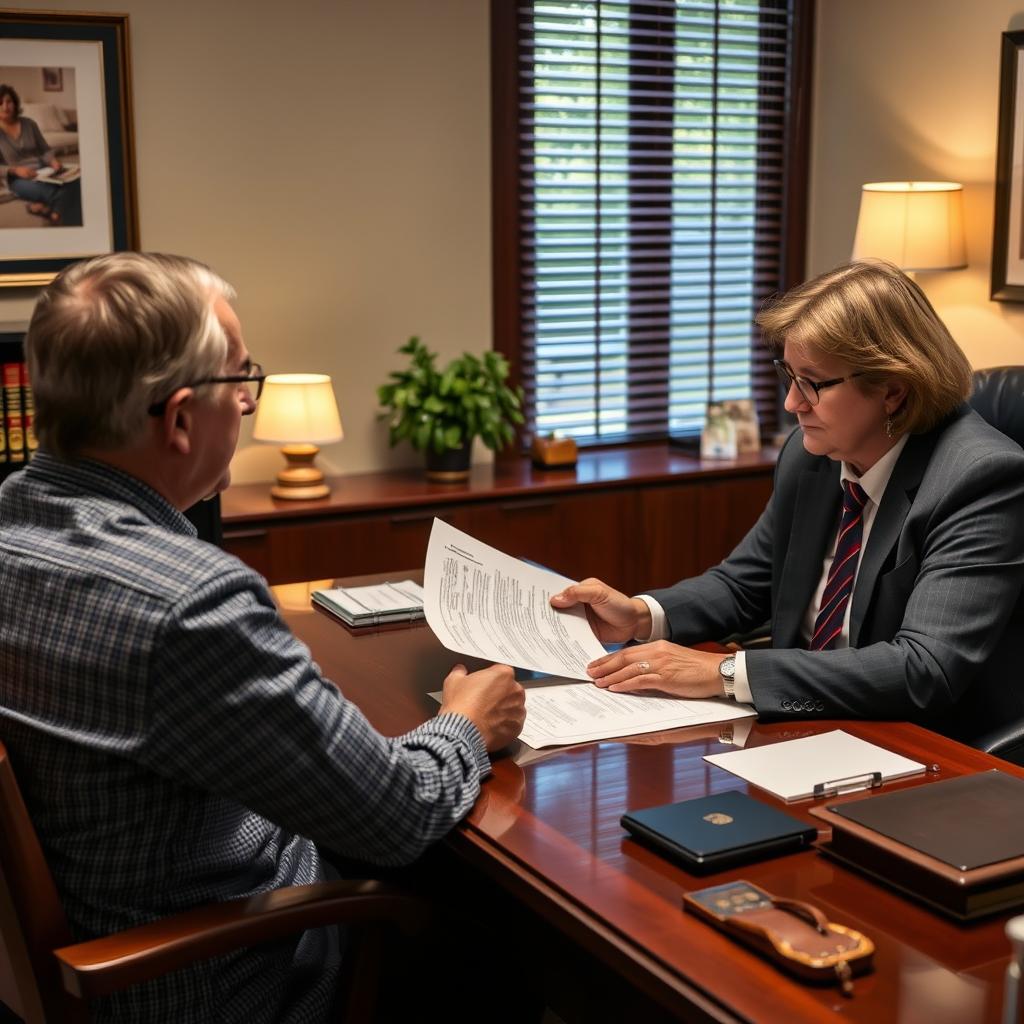
Visitation Lawyer Fluvanna County, VA
When parents separate or divorce, one of the most emotionally charged issues is often where the child lives and when each parent spends time with them. Virginia law refers to the time a noncustodial parent spends with a child as “visitation,” and the courts in Fluvanna County apply the same statutory framework as the rest of the Commonwealth to determine visitation rights. For parents in Palmyra, Fork Union, Lake Monticello, and across Fluvanna County, understanding how visitation orders are established, modified, and enforced can make a significant difference in preserving a meaningful relationship with a child. Mr. Sris and his Of Counsel team at Law Offices Of SRIS, P.C. represent clients in visitation disputes before the Fluvanna County Juvenile and Domestic Relations District Court and, when connected to a divorce, the Fluvanna County Circuit Court. Whether you need to establish an initial visitation schedule, seek a modification due to changed circumstances, or enforce an existing order that the other parent is not following, a visitation lawyer can help you present your case to the court. For a consultation about your visitation matter in Fluvanna County, reach Law Offices Of SRIS, P.C. at (888) 437-7747. Law Offices Of SRIS, P.C. – Advocacy Without Borders.
What Family Law Means in Fluvanna County
Family law in Fluvanna County encompasses a range of legal matters that affect the most personal aspects of a person’s life—divorce, child custody, visitation, spousal support, and child support. India is not a signatory to the 1980 Hague Convention on Civil Aspects of International Child Abduction. The Fluvanna County Juvenile and Domestic Relations District Court, located at 72 Main Street, Suite B, Palmyra, Virginia, handles standalone custody, visitation, and child support cases, as well as protective orders. When visitation matters are part of a divorce proceeding, the Fluvanna County Circuit Court, operating from the same courthouse, has jurisdiction over the divorce and any related equitable distribution of property, while visitation and custody issues within that case are resolved under the court’s authority.
Virginia Code § 20-124.2 establishes that parents have a fundamental right to make decisions concerning the upbringing of their children, including visitation. The court’s guiding principle for any visitation determination is the best interests of the child, a standard that is shaped by a number of statutory factors. These factors include the age and physical and mental condition of the child and each parent, the relationship existing between each parent and the child, the needs of the child, the role each parent has played in the child’s life, the willingness of each parent to support the child’s relationship with the other parent, and any history of family abuse. Because the analysis is fact-intensive, the outcome in any given visitation dispute depends heavily on the specific circumstances of the family.
How Mr. Sris and His Of Counsel Handle Family Law Cases
When a parent faces a visitation dispute in Fluvanna County, Mr. Sris and his Of Counsel begin by evaluating the family’s situation in detail—reviewing the existing court orders, the child’s needs, and the parent’s ability to provide a safe and stable environment. The objective is to develop a visitation arrangement that meets the best interests of the child while preserving the parent’s role in the child’s life. In many situations, parents can resolve visitation issues through negotiation or mediation without a contested hearing, but when litigation is necessary, the team prepares thoroughly to present the relevant evidence to the court.
For parents seeking to modify an existing visitation order, the process requires demonstrating a material change in circumstances—such as a parent’s relocation, a change in the child’s needs, or a parent’s failure to comply with the current order. Mr. Sris and his Of Counsel also represent clients in enforcement actions when one parent is not following the visitation schedule, and in more delicate situations, such as those involving supervised visitation. Throughout the process, the focus remains on building a record that supports the parent’s request while complying with the procedural requirements of the Fluvanna County courts.
About Mr. Sris and His Of Counsel Team
Mr. Sris, Owner and Founder of Law Offices Of SRIS, P.C., founded the firm in 1997 and is a former prosecutor. He is admitted to practice in Virginia, Maryland, the District of Columbia, New Jersey, and New York. Mr. Sris testified before the Virginia House Courts of Justice Committee in support of 2019 HB 635 (chief patron Del. David Bulova). His Of Counsel team—attorneys engaged through Excella—brings additional depth in family law, criminal defense, and litigation. Mr. Sris and his Of Counsel bring over 120 years of combined legal experience and have achieved 4,739+ documented firm-wide results. Results may vary.
Frequently Asked Questions
How is visitation determined in Fluvanna County, Virginia?
Visitation is determined based on the best interests of the child, considering factors such as the parent-child relationship, each parent’s ability to meet the child’s needs, and any history of abuse or neglect under Virginia Code § 20-124.3. The court weighs multiple statutory factors, including the child’s age, physical and mental condition, the parents’ roles in the child’s upbringing, and the willingness of each parent to support the child’s relationship with the other parent. In Fluvanna County, standalone visitation cases are heard in the Juvenile and Domestic Relations District Court, while visitation disputes within a divorce are handled in the Circuit Court. Each case is decided on its own facts, and the court has broad discretion to craft a visitation schedule that serves the child’s welfare.
Can a visitation order be modified in Fluvanna County?
Yes, a parent can petition the court to modify a visitation order if there has been a material change in circumstances that affects the child’s best interests. Examples of material changes include a parent’s relocation, a significant change in the child’s schedule or needs, or a parent’s persistent failure to comply with the existing order. The parent requesting the modification must present evidence to the Fluvanna County Juvenile and Domestic Relations District Court or the Circuit Court, depending on which court issued the original order. The court will then determine whether the proposed modification serves the child’s best interests.
What can I do if the other parent is not following the visitation order?
If a parent willfully violates a visitation order, the aggrieved parent can seek enforcement through the court by filing a motion for a rule to show cause or a petition for contempt. The court can enforce the order by ordering make-up visitation, imposing fines, or, in serious cases, modifying the custody arrangement. In Fluvanna County, enforcement actions are typically filed in the Juvenile and Domestic Relations District Court unless the visitation order was part of a divorce decree, in which case the Circuit Court retains jurisdiction. A visitation lawyer can help you document the violations and present them to the court in a clear and convincing manner.
Do grandparents have visitation rights in Virginia?
Under limited circumstances, grandparents may petition for visitation, but a fit parent’s decision about grandparent visitation is presumed to be in the child’s best interests under Virginia Code § 20-124.2. A grandparent may overcome this presumption by proving that the denial of visitation would be detrimental to the child. The law also recognizes other individuals with a legitimate interest in the child, such as stepparents or other relatives who have a close and substantial relationship with the child. These cases are fact-specific and are resolved by the court on a case-by-case basis.
How does supervised visitation work in Virginia?
Supervised visitation may be ordered when the court determines that a parent’s contact with the child must be monitored to protect the child’s safety or emotional well-being. Supervised visits typically occur at a designated facility or with a neutral third party present. The court may specify the location, frequency, and duration of the visits, as well as the supervisor’s qualifications. Grounds for supervised visitation can include a history of family abuse, substance abuse, mental health concerns, or a parent’s previous failure to protect the child. The goal is often to transition to unsupervised visitation once the concerns have been resolved.
Do I need a lawyer for a visitation case in Fluvanna County?
You are not legally required to have a lawyer for a visitation case, but having an experienced attorney can help you present your case effectively and navigate the procedural rules of the Fluvanna County courts. The trusted-interests analysis is fact-intensive, and an attorney can assist with gathering evidence, preparing witness testimony, and cross-examining the other party’s evidence. The court will consider the same legal standards regardless of whether a parent is represented, but an attorney can make sure that the parent’s position is fully and clearly presented.
Related Family Law Pages:
Family Law Lawyer Fairfax County, VA ·
Family Law Lawyer Fairfax (City), VA ·
Family Law Lawyer Falls Church (City), VA ·
Family Law Lawyer Prince William County, VA ·
Family Law Lawyer Manassas (City), VA
Virginia Primary Legal Sources:
Virginia Code Title 20 (Domestic Relations) ·
Virginia Judicial System
Attorney advertising. Prior results do not guarantee a similar outcome. Case results depend on a variety of factors unique to each case. Results may vary.